This year, Leber pursued two strategic goals in parallel: expanding its geographic footprint while developing more complex products. In Moscow, the company took part in large-scale urban renewal projects, while internationally it entered six new markets.
Major Projects
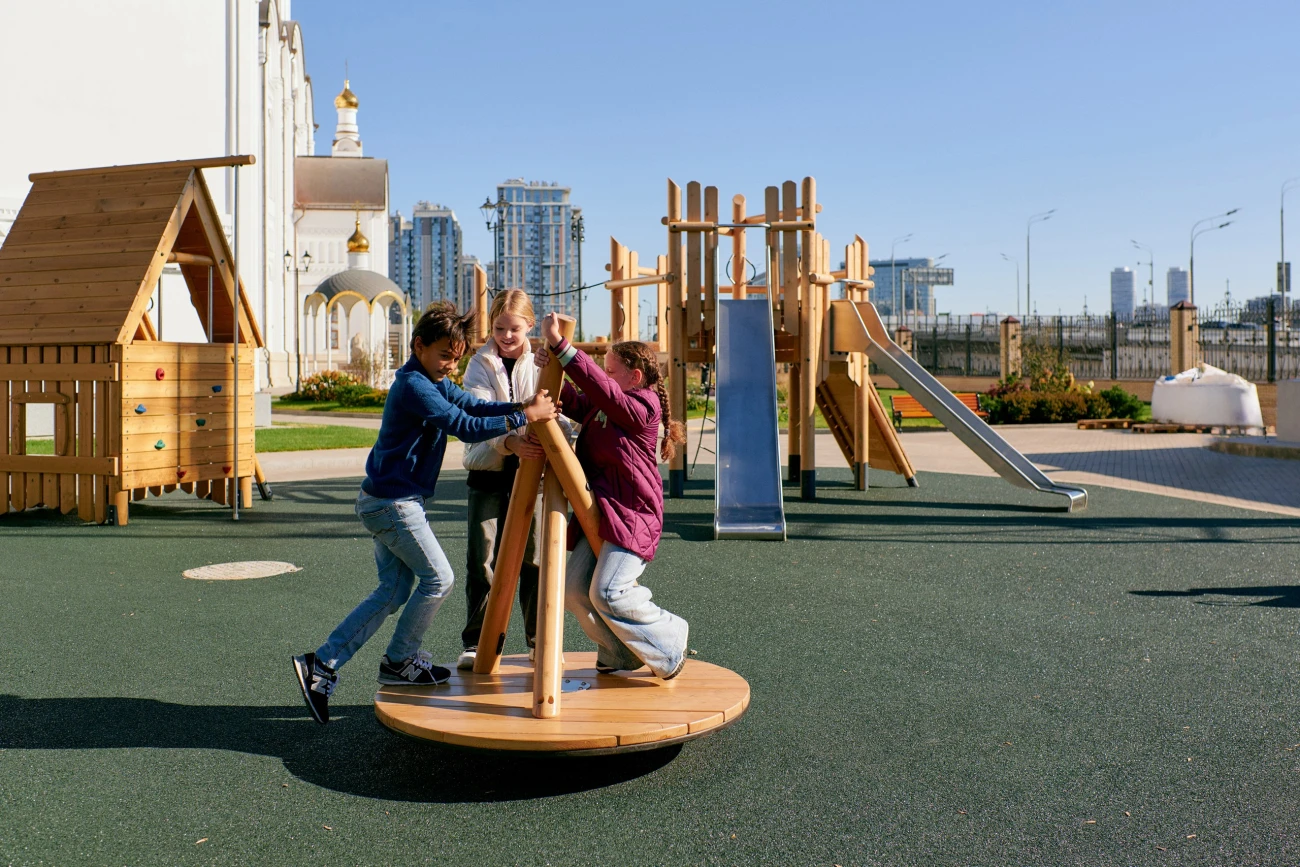
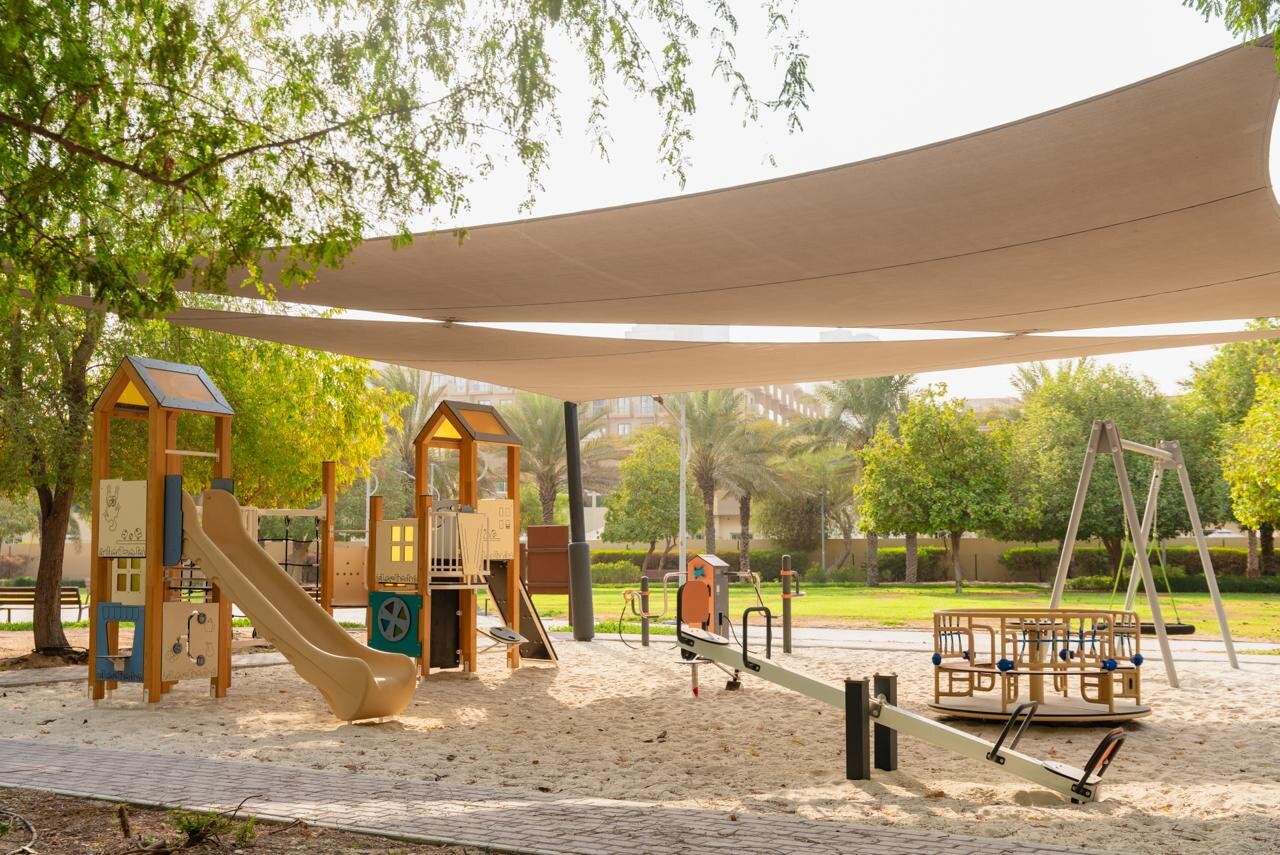
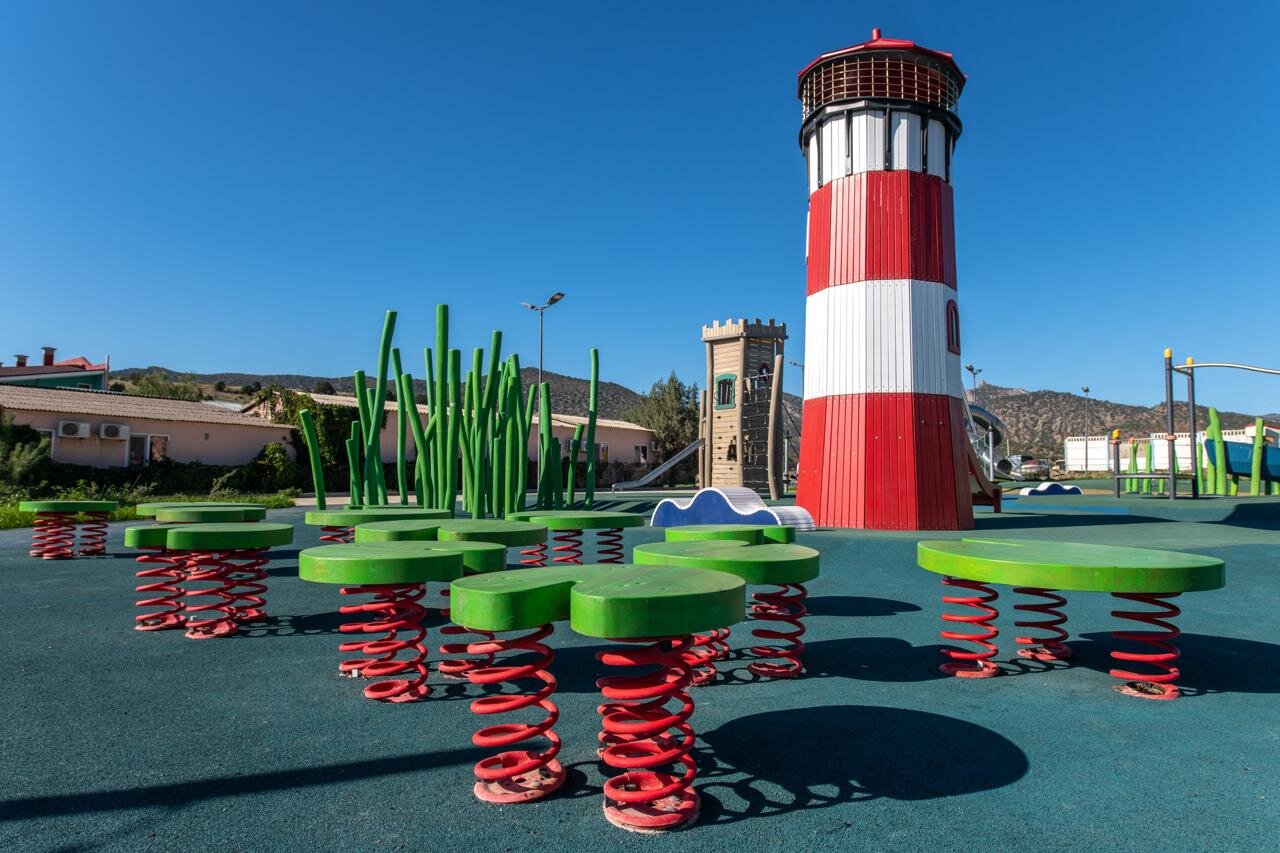
In 2025, Leber continued to work on large-scale urban projects while strengthening a segment where clients increasingly expect tailored solutions. The company became part of the city renewal program for three major outbound highways in Moscow, where Leber installed play areas designed to withstand changing weather conditions and intensive use.
Another key project was the redevelopment of Sokolniki Park, one of Moscow’s most visited public spaces. There, Leber upgraded children’s areas with a focus on seasonality and high visitor traffic.
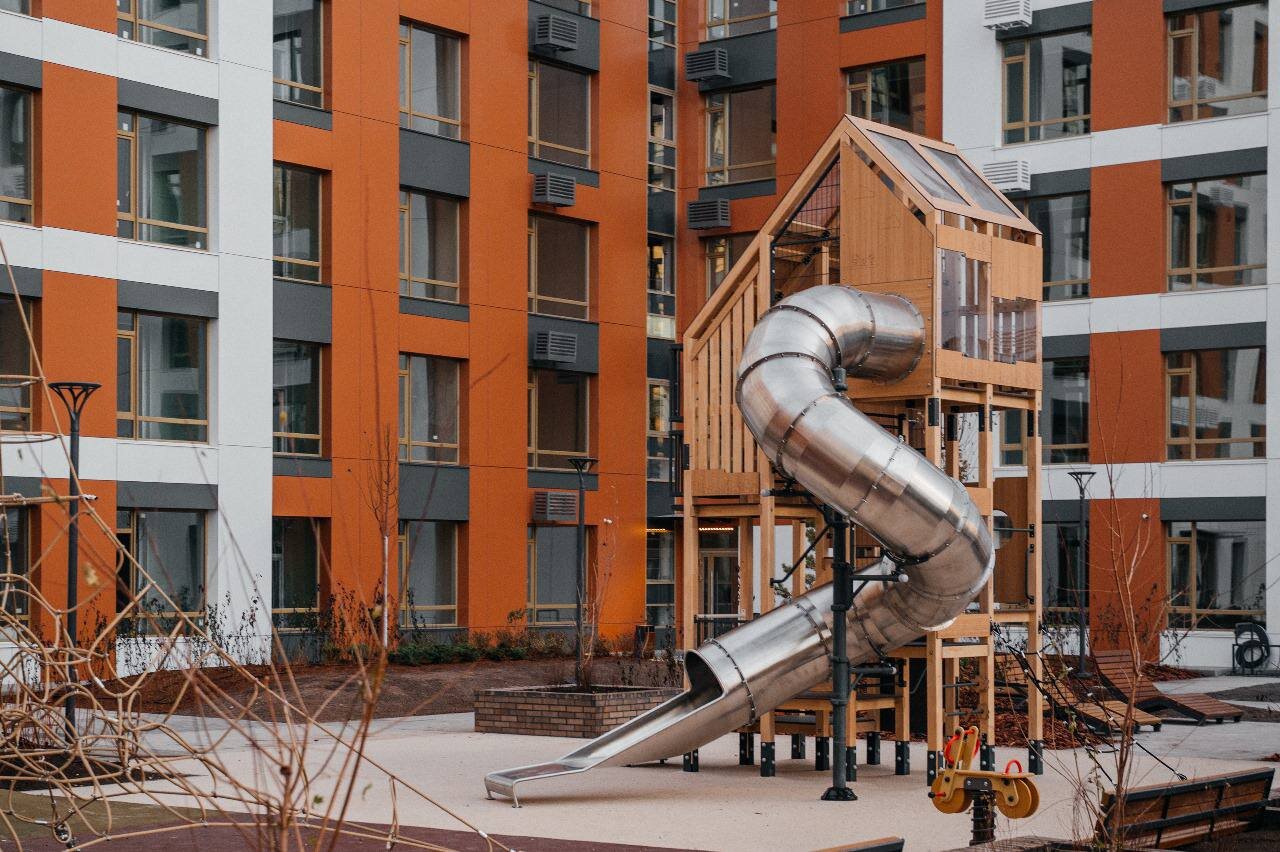
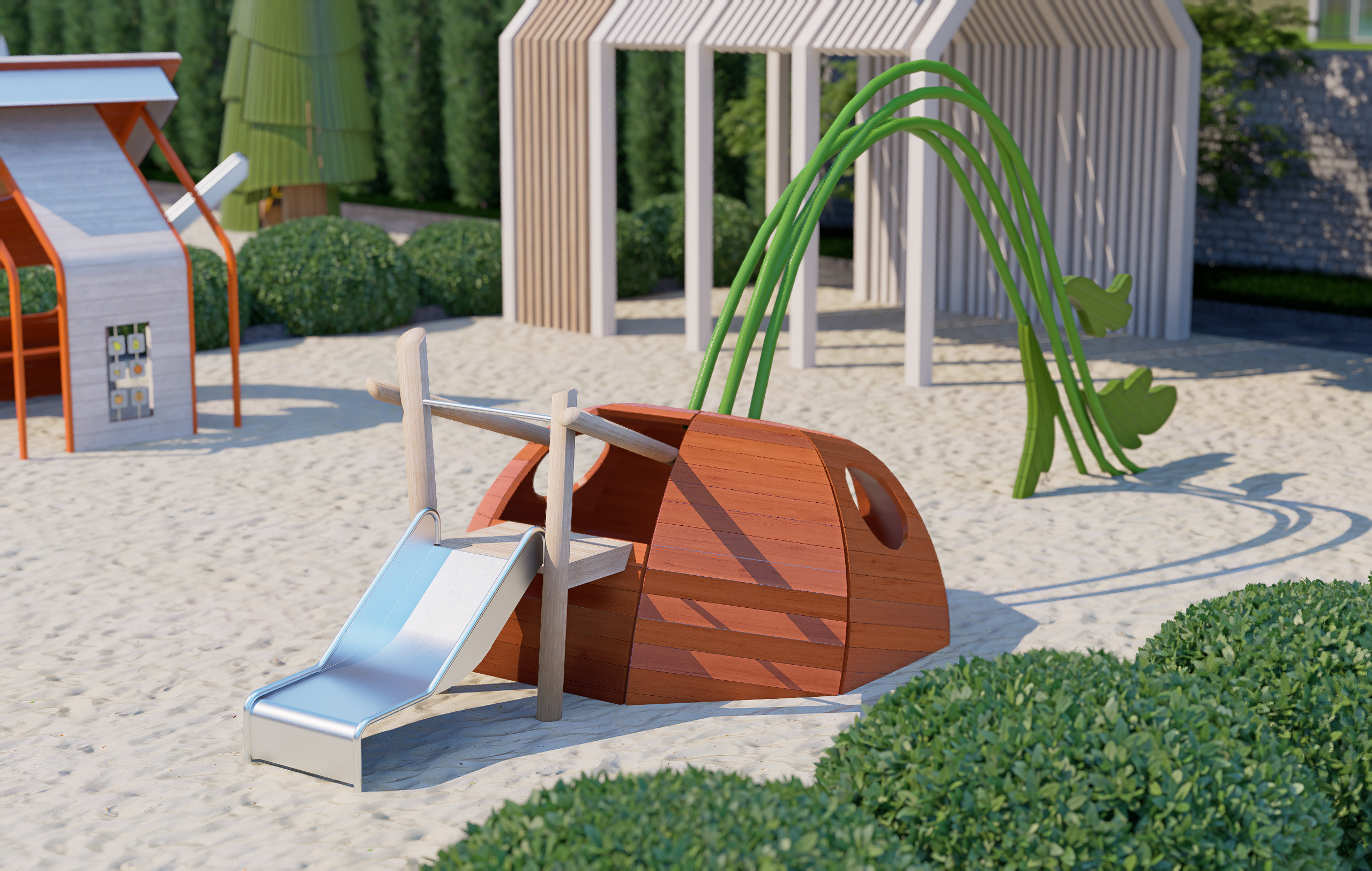
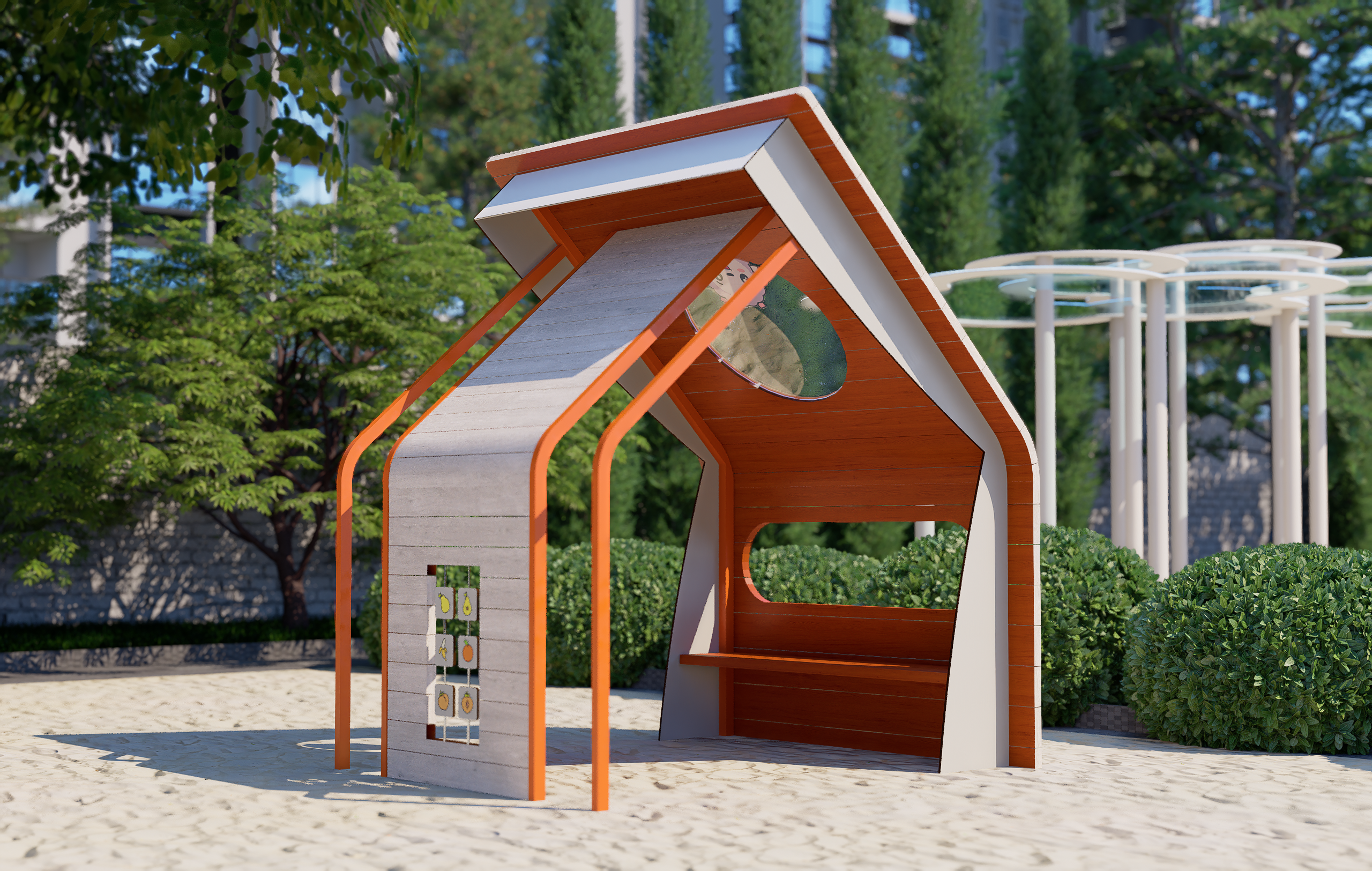
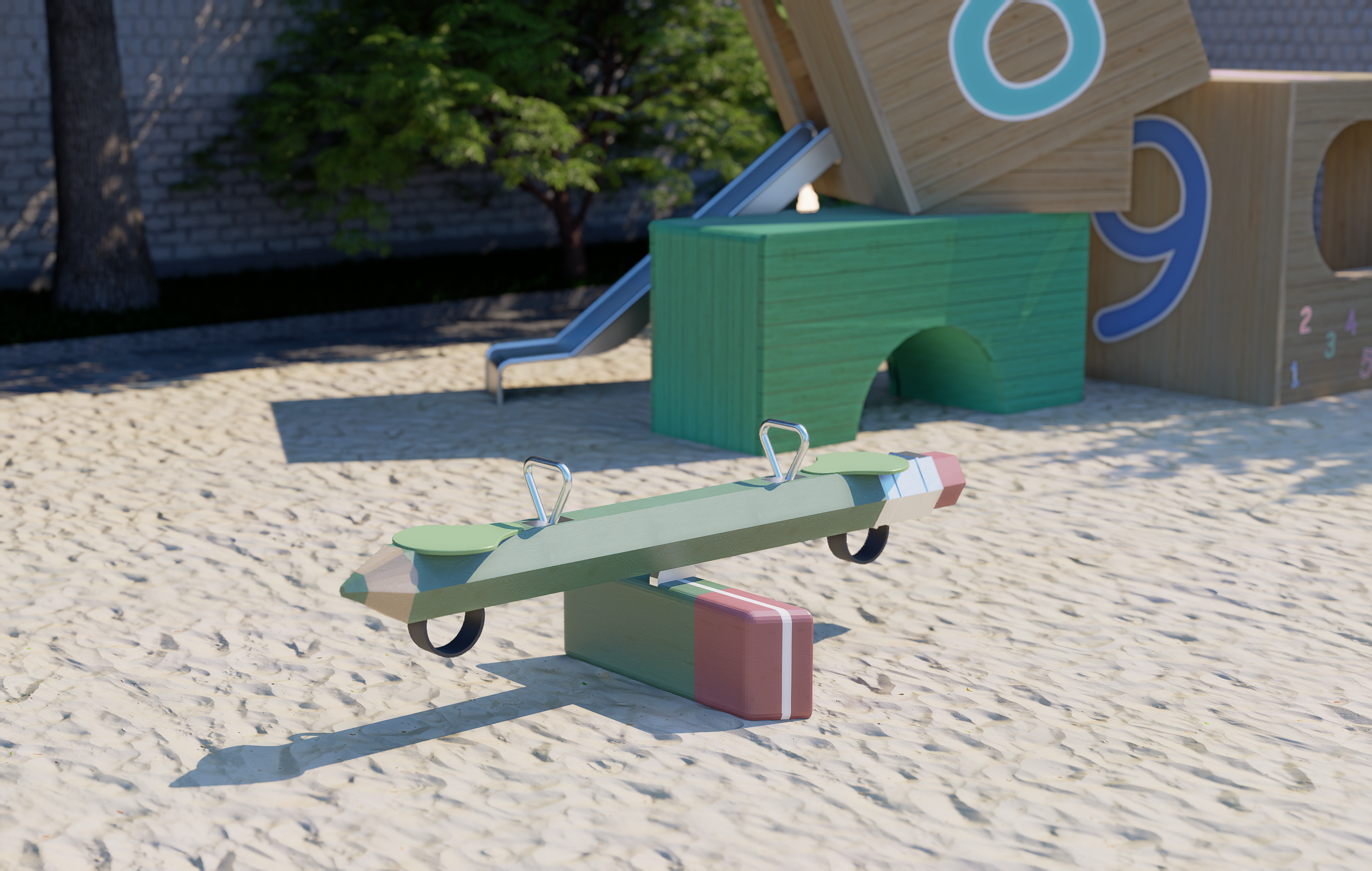
In the commercial segment, the share of projects with non-standard configurations continued to grow. For the first time, Leber supplied a developer not only with playground equipment but also with safety surfacing, offering a single, integrated solution instead of separate procurements. Customisation also expanded: at developers’ request, the company introduced HPL elements with wood-like textures, shade structures in branded colours, and GRP art elements, further broadening its product range.
Among Leber’s clients in 2025 were some of Russia’s leading developers, including AFI Development, Samolet, Absolut, Donstroy, SberCity, Granel, LSR Group, Etalon, KROST, and Sminex (INGRAD).
Over the course of the year, Leber installed more than 1,000 playgrounds across Russian cities and international markets.
Export: Six New Markets
Leber’s export business continued to expand in 2025, with the company securing projects in six new countries: Qatar, Oman, Kuwait, Egypt, Serbia, and Brazil.
The Middle East remains a strategic growth region. A major project was launched in Abu Dhabi, set to become one of Leber’s flagship references in the region. In Doha, the company completed its first playground installation, while in Kuwait Leber began working with public-sector clients.
In addition, 2025 saw the appointment of official Leber dealers in Libya, Bahrain, and Ethiopia.
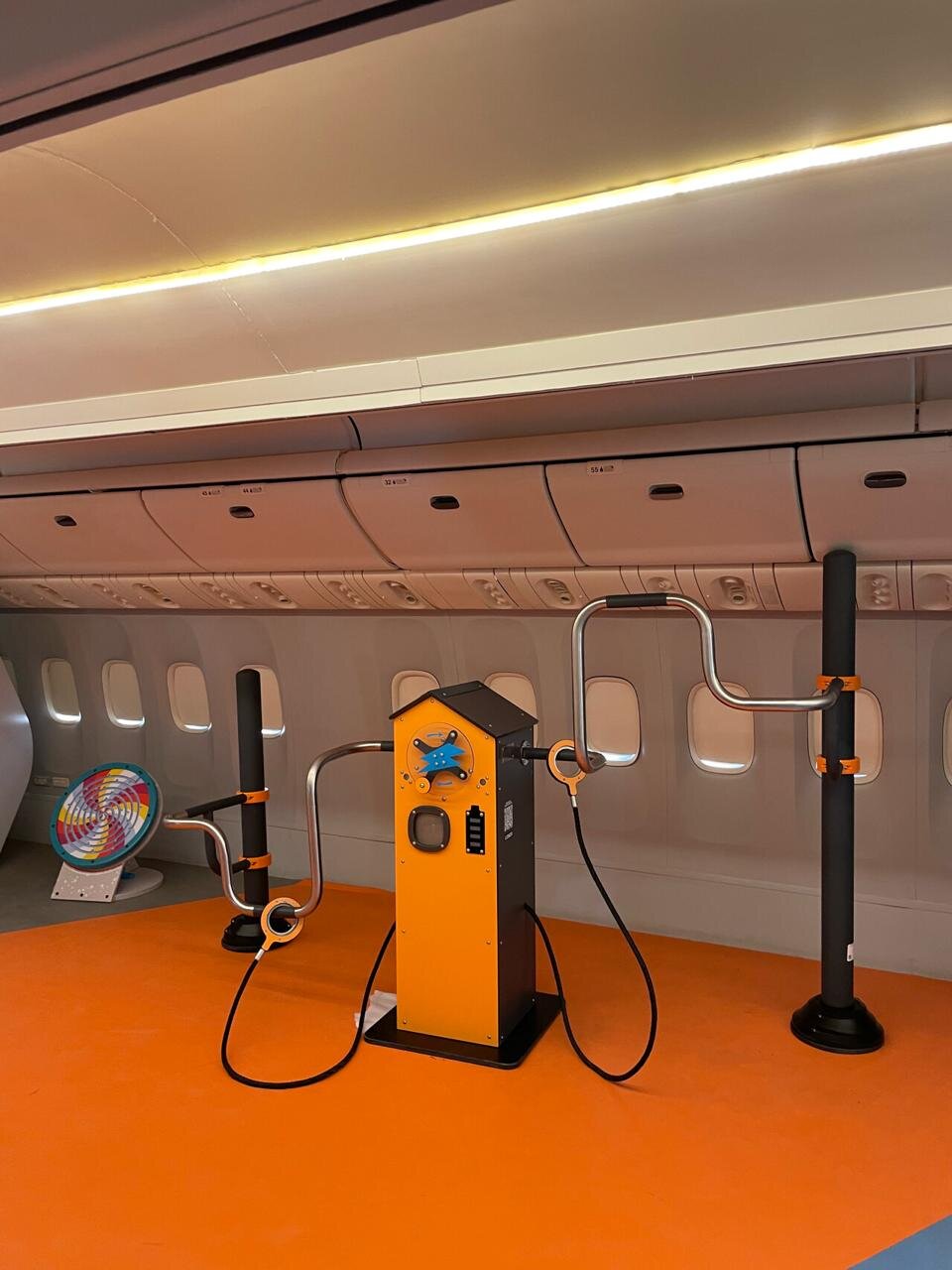
The most talked-about international project of 2025 was Leber’s first scientific playground installed inside an aircraft. Educational play modules were placed aboard a real Boeing 777 at Boulevard Runway in Riyadh, Saudi Arabia.
The space, designed as an interactive environment for hands-on experiments, quickly became one of the company’s most viral cases, drawing global attention and positioning Leber at the intersection of education, play, and experiential design.
Manufacturing and New Product Lines
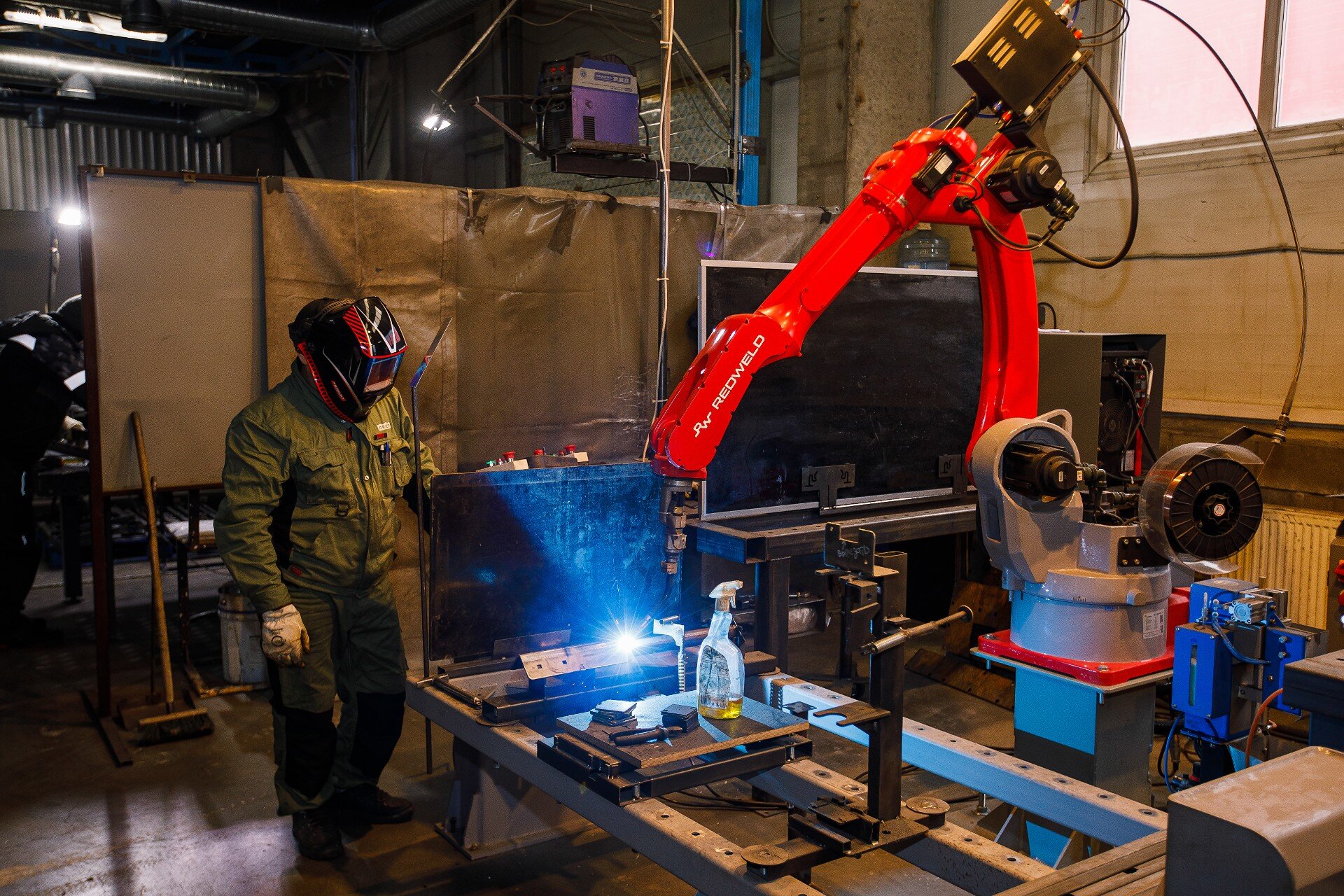
Leber’s production operations set new records in 2025, with output increasing month by month and reaching historic highs. Since the beginning of the year, the company has manufactured more than 17,000 individual units.
Ongoing automation and technical upgrades have significantly shortened delivery timelines while maintaining consistent quality across every component.
Architectural expertise became a stronger part of the product itself. In 2025, Leber entered into several partnerships with architectural studios that shape the visual language of contemporary cities. Together with designers and engineers, the company developed several new product series, all scheduled for market launch in 2026.
A dedicated focus was placed on expanding the line of fitness stations for corporate spaces and industrial facilities — a segment that reflects growing attention to health and is increasingly integrated into workplace infrastructure.
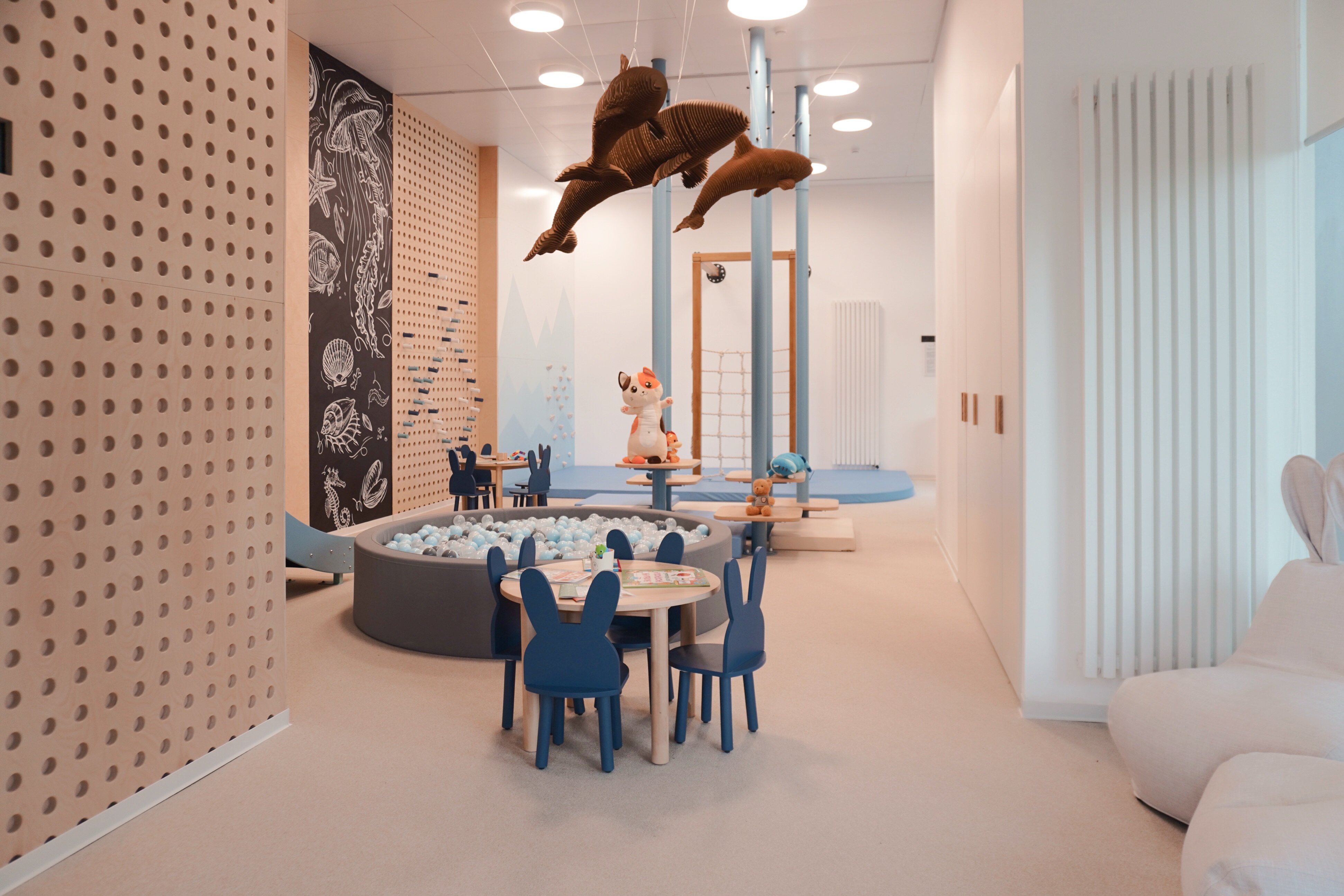
In 2025, Leber also launched a new direction: indoor children’s playrooms for residential developments. The first projects were commissioned by premium developers, for whom Leber created bespoke interiors aligned with the architectural concepts of their residential complexes.
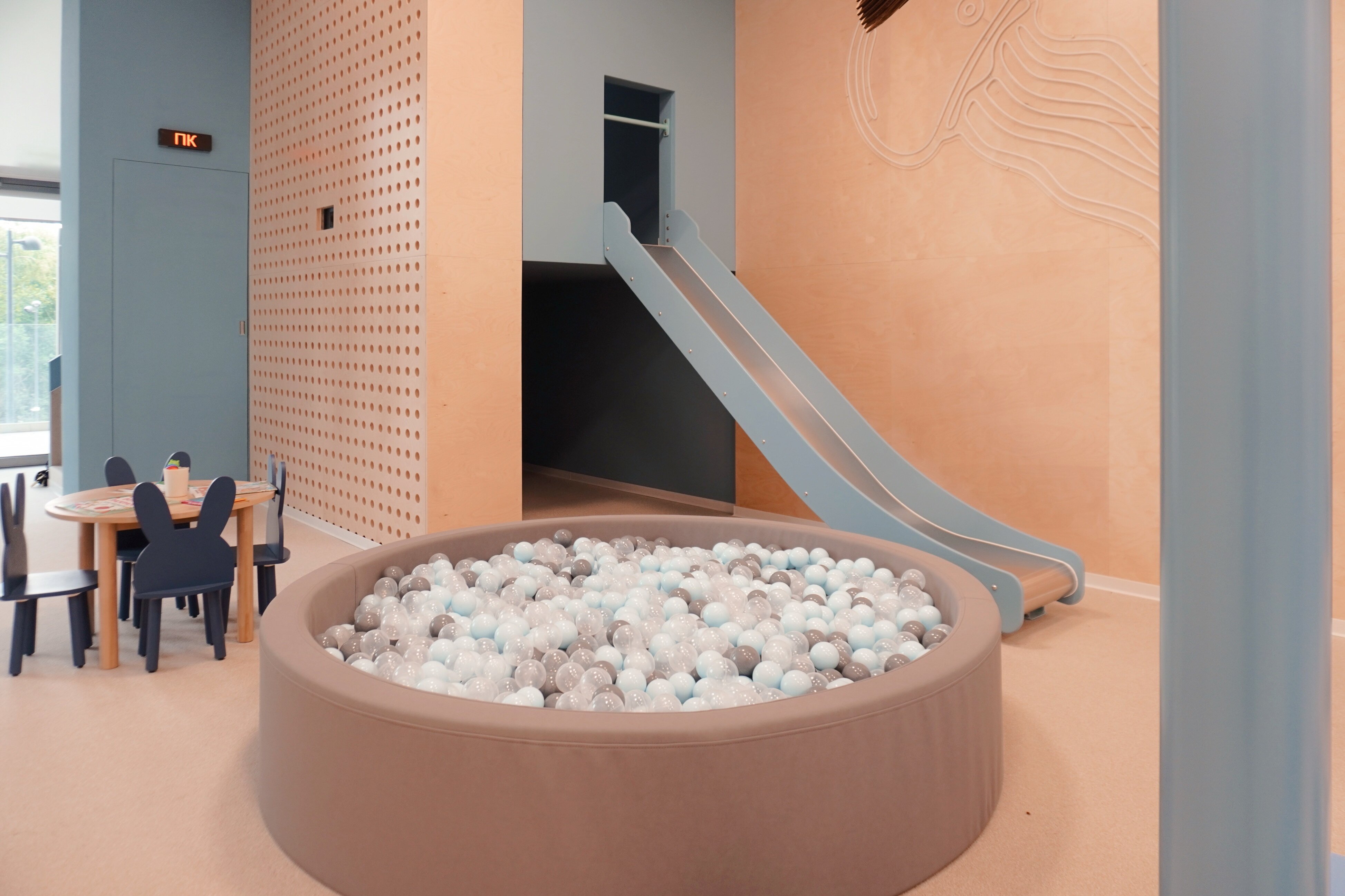
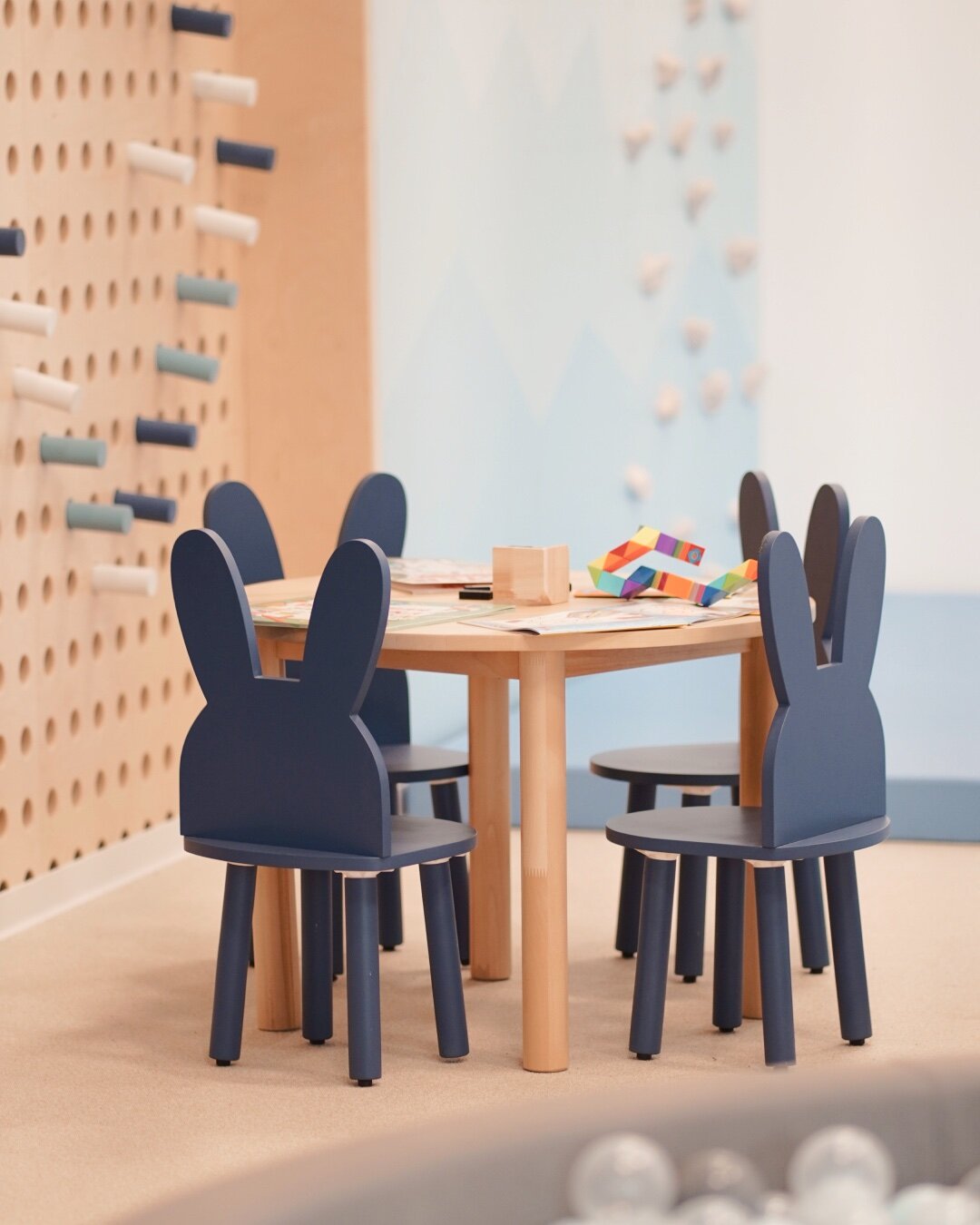
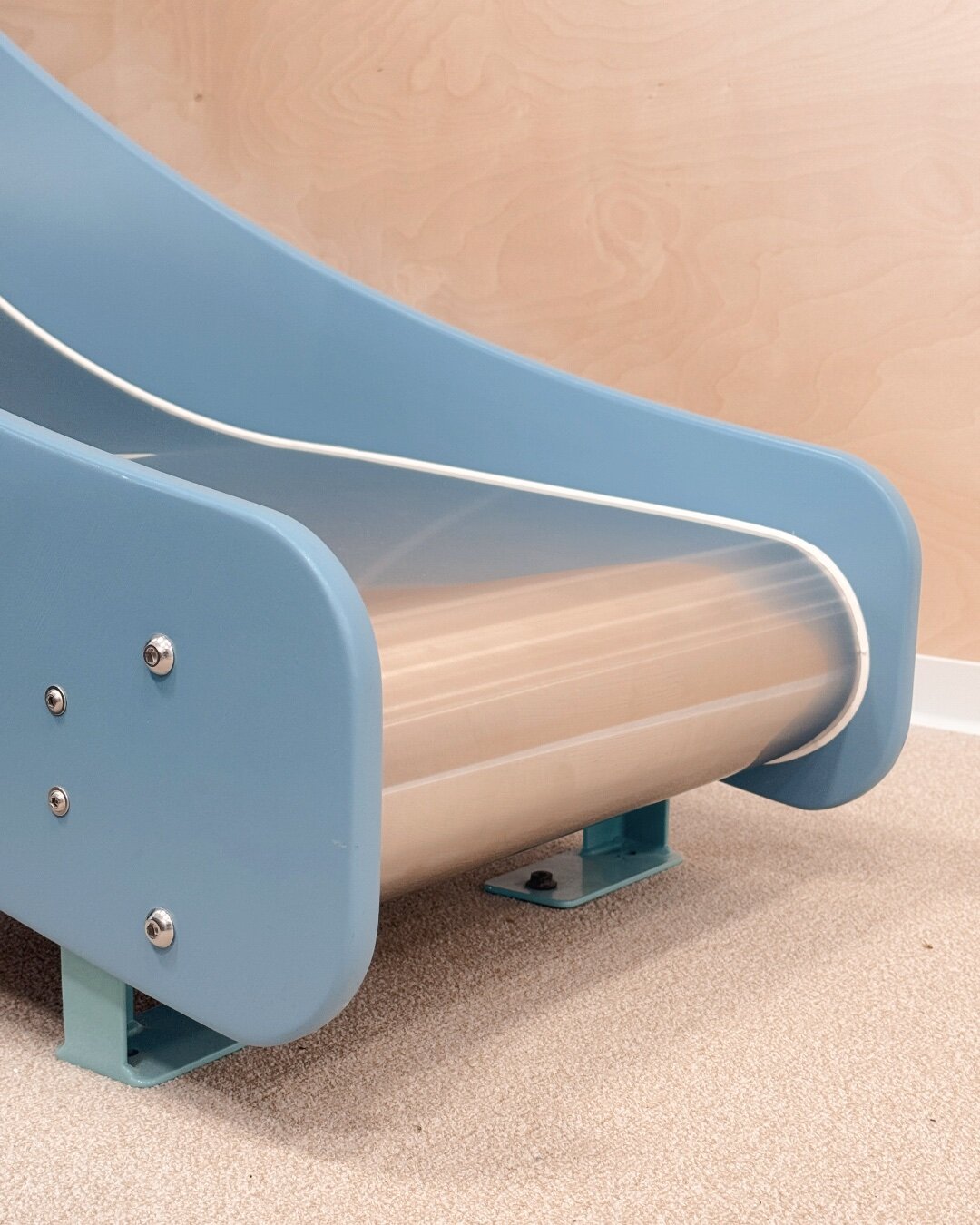
A strategic partnership with Arbero strengthened Leber’s capabilities in custom solutions — from small architectural forms to projects where a strong sense of place and local identity is essential.
Collaboration with Riki Group and the Development of Scientific Playgrounds
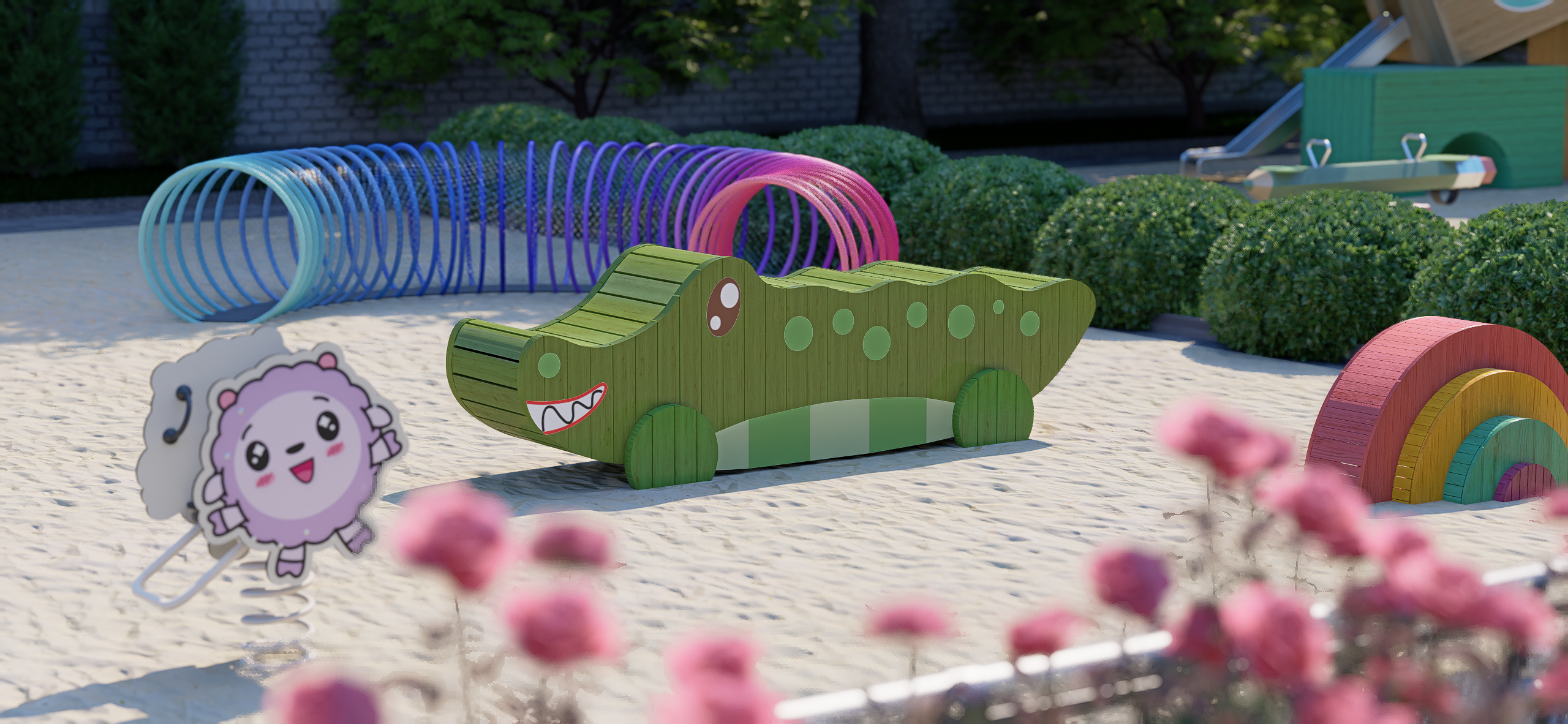
The most high-profile collaboration of the year was Leber’s partnership with Riki Group, one of the key players in Russia’s animation and media industry. In autumn, the companies unveiled two lines of playground equipment designed to bring beloved domestic animated characters into everyday urban spaces, allowing children across Russia to meet their favorite heroes right in their own courtyards.
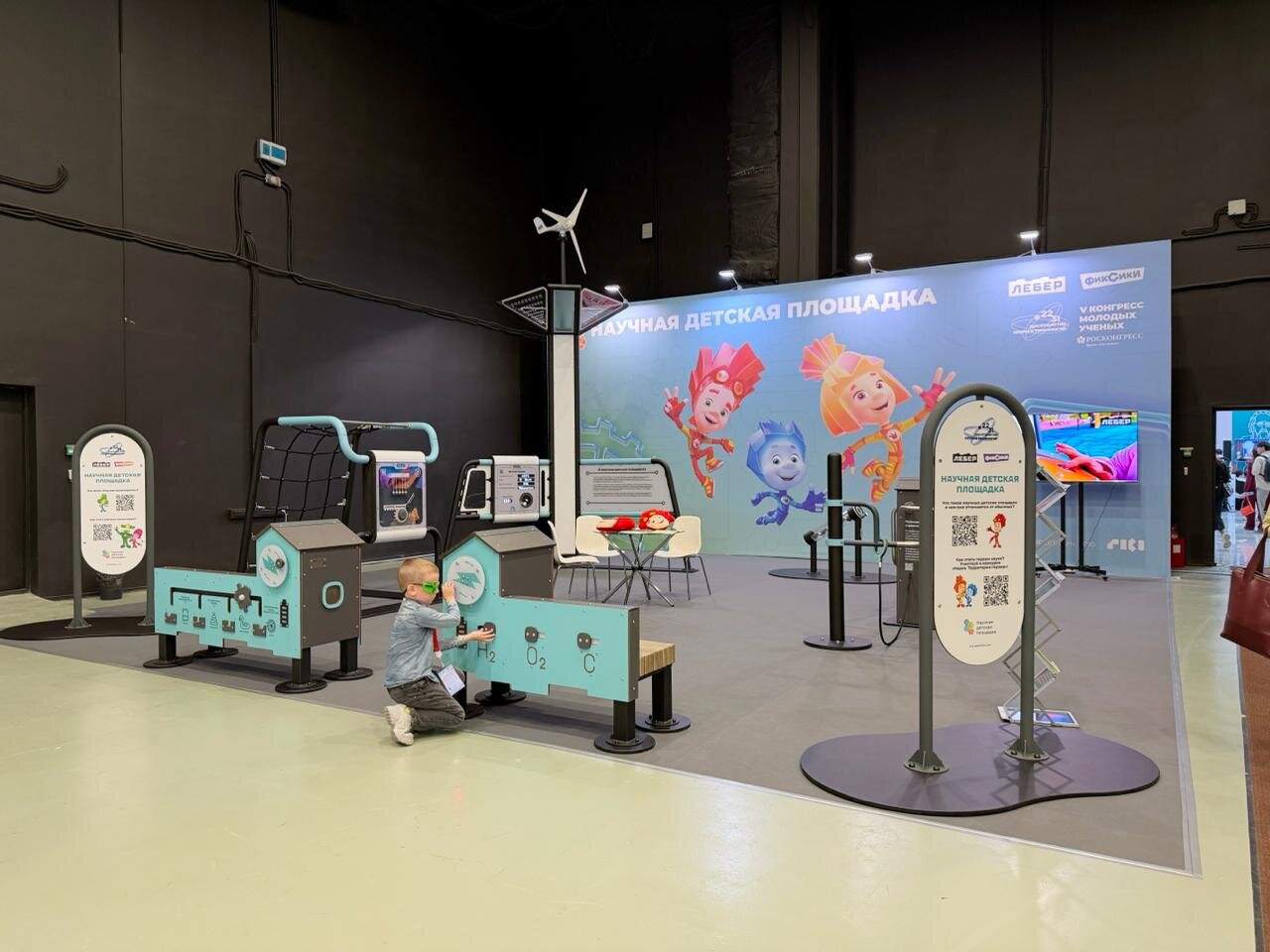
The scientific playgrounds inspired by The Fixies were unveiled for the first time at the 5th Congress of Young Scientists in Sirius. The project immediately drew the attention of Dmitry Chernyshenko, Deputy Prime Minister of the Russian Federation.
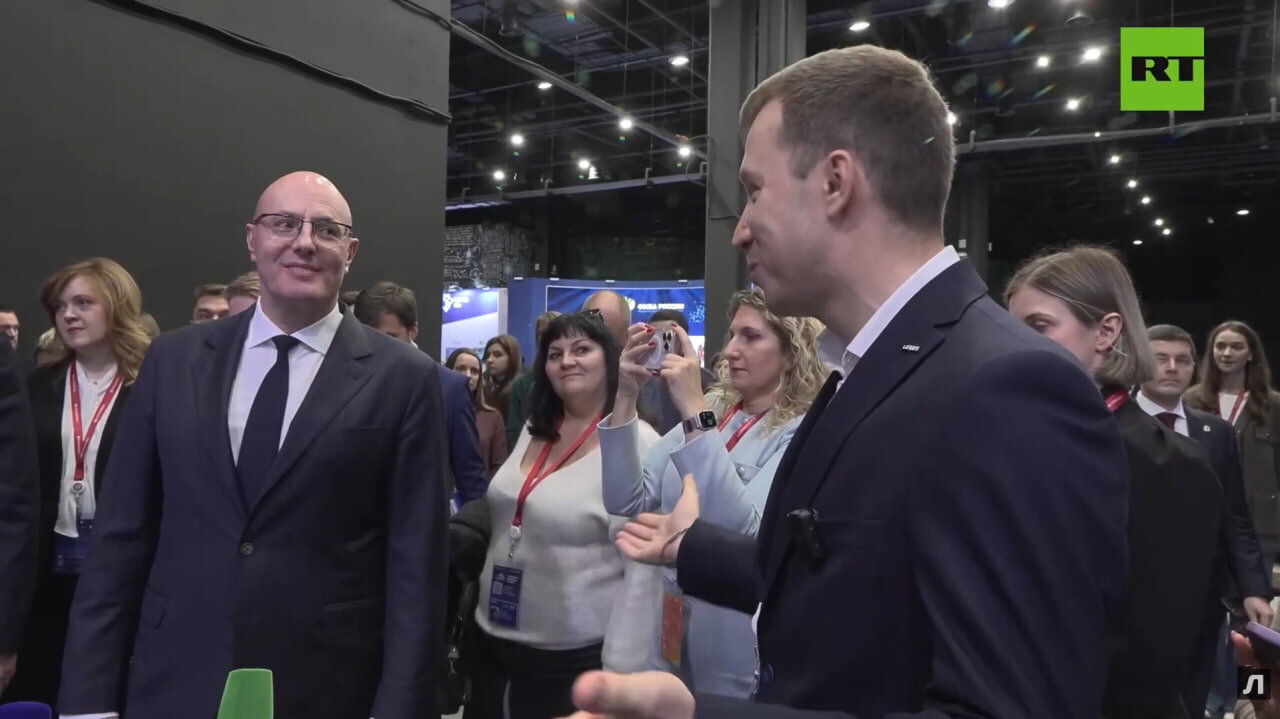
We spoke with Dmitry Chernyshenko about an issue that is especially important to us: the need for more homegrown characters to appear on Russian playgrounds — characters that help shape values, identity, and cultural context for the next generation.
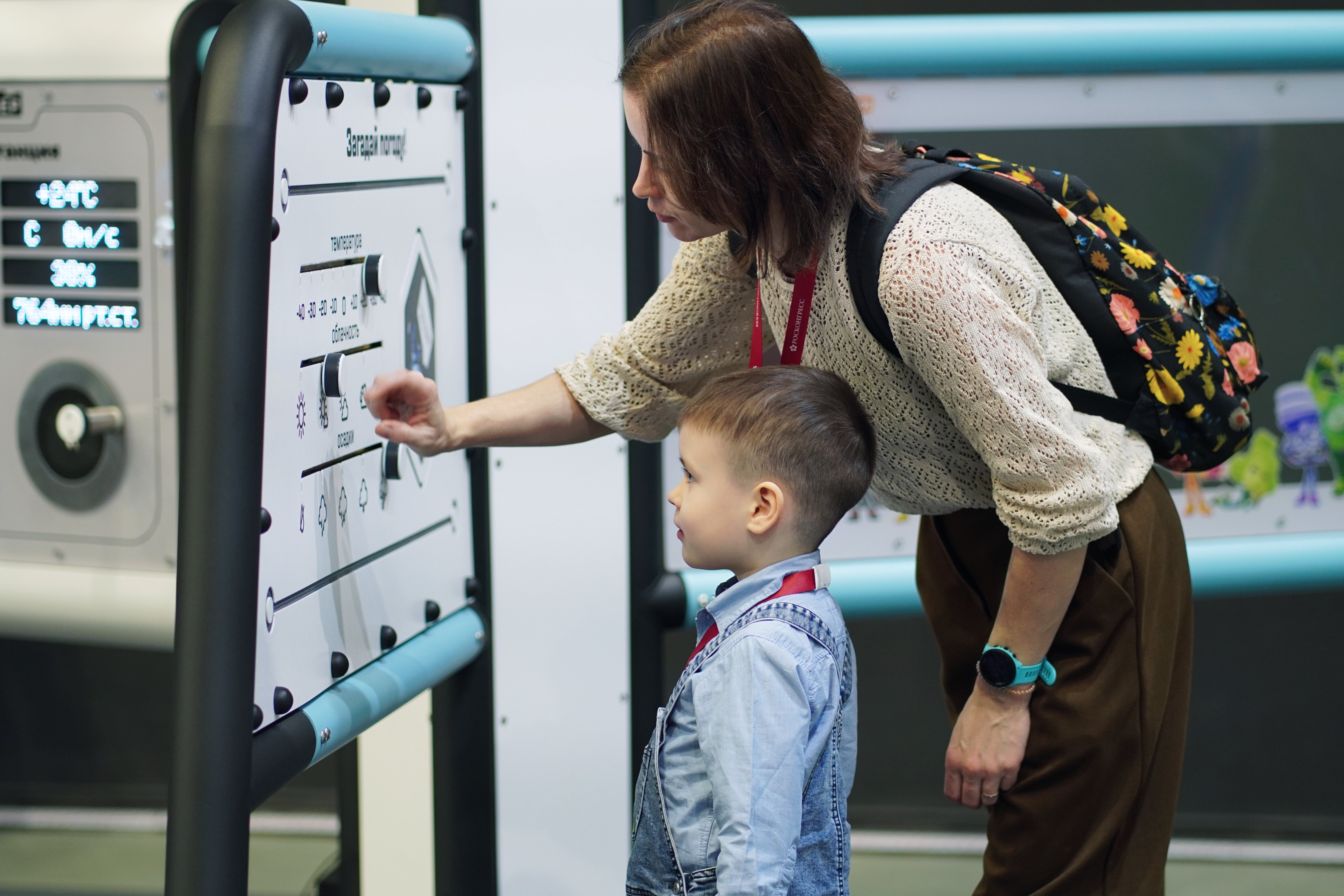
Scientific playgrounds function as open-air learning environments. Their modules operate like hands-on physics and chemistry experiments, allowing children to observe impulses, changes in viscosity, and the dynamics of motion. The visual language of The Fixies lowers the entry barrier and helps sustain engagement, making complex concepts intuitive and accessible.
Playground equipment for preschool children inspired by Babyriki was unveiled at the National Congress of the Educational Industry, UCHPROM-2025.
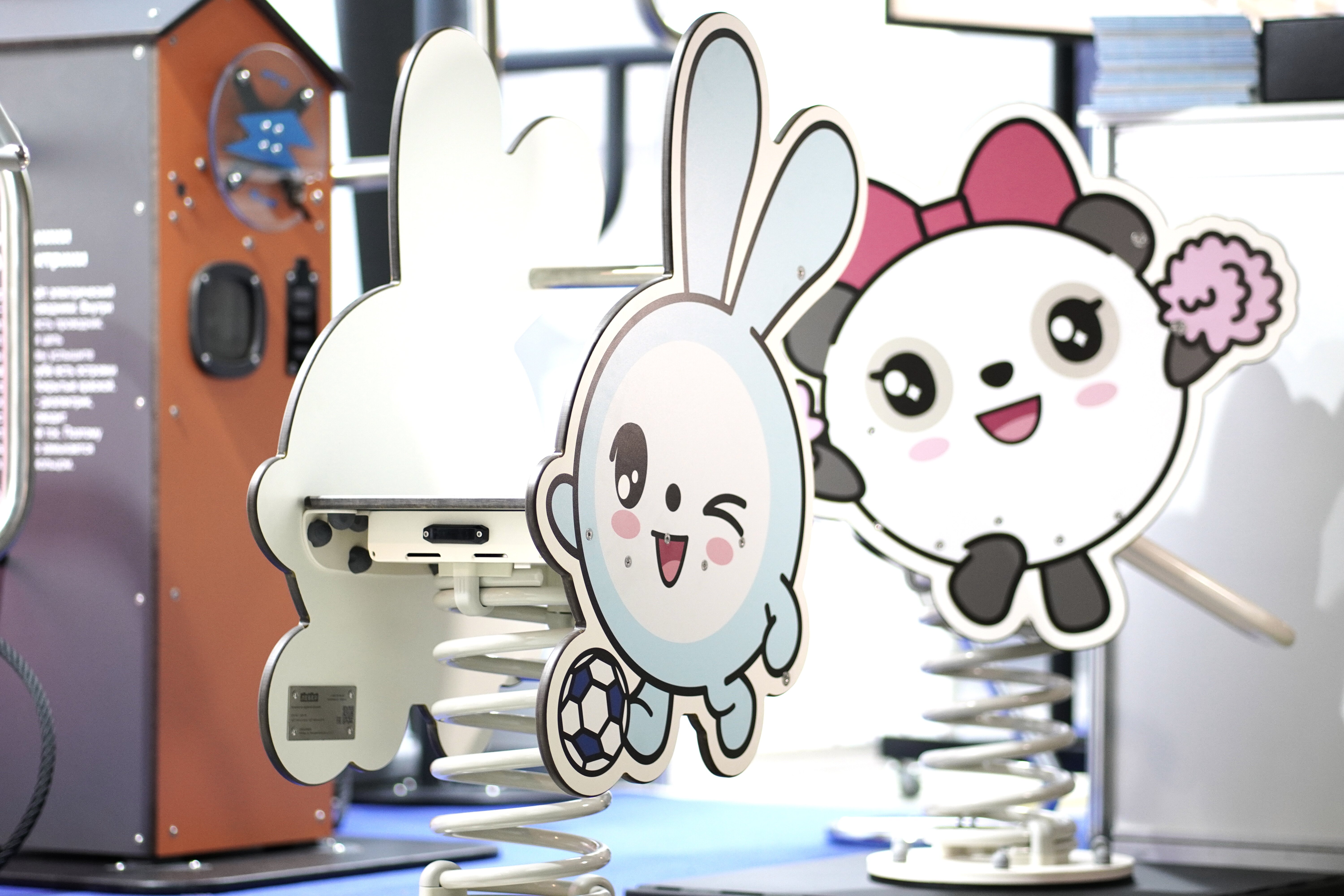
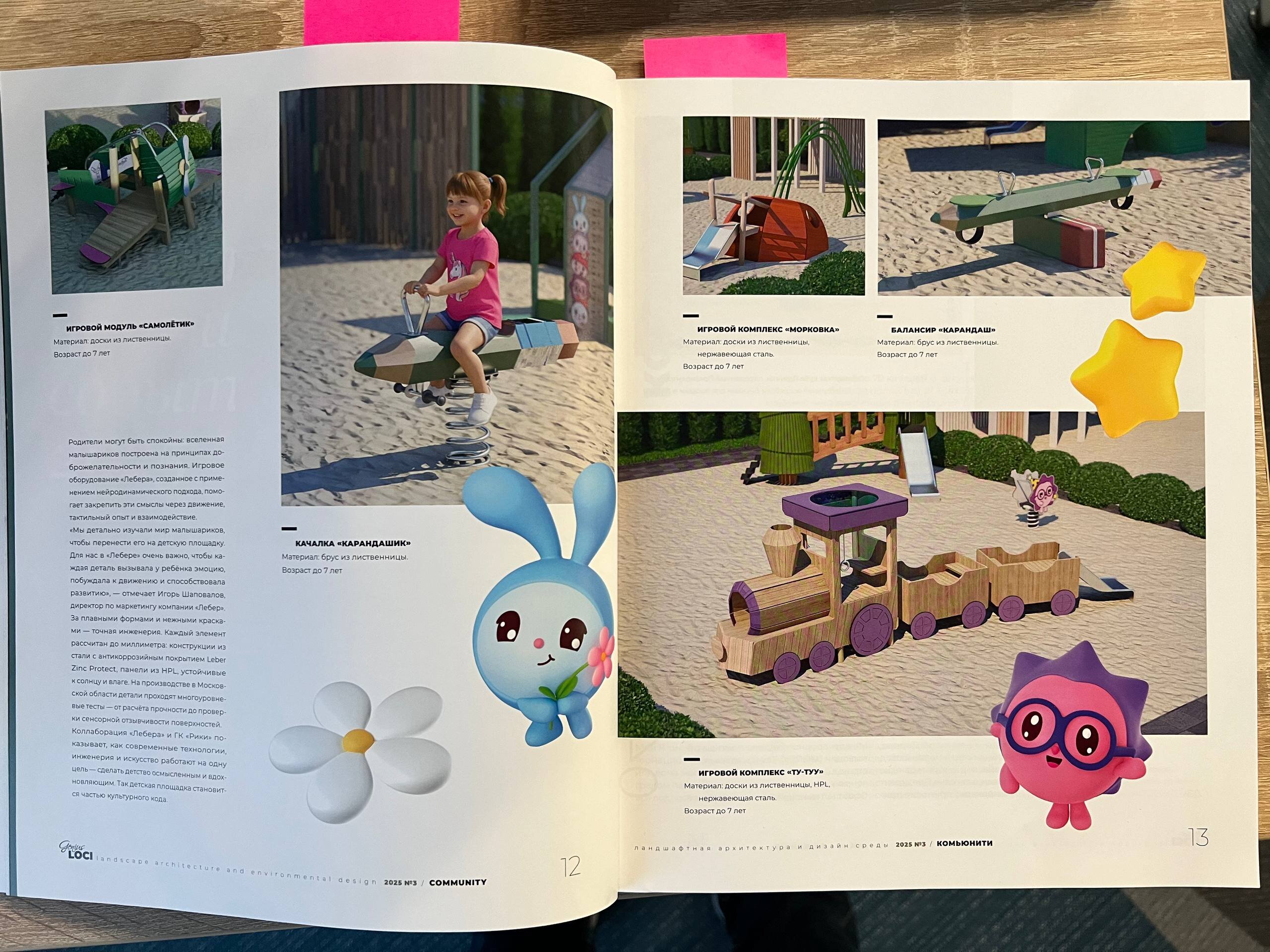
The Babyriki series is built around the principles of early childhood development and neurodynamics, with a focus on sensory adaptation, gentle engagement, and calm, balanced color environments.
Both product lines are scheduled to be added to Leber’s catalog in 2026.
Expert presence and agenda setting
In 2025, Leber became an active participant in key strategic discussions shaping the industry. CEO Artem Sorokin was a keynote speaker at the Anti-Crisis Task Force session of the Moscow 2030 initiative, where industry leaders discussed the resilience of manufacturing companies and the management of customization at scale.
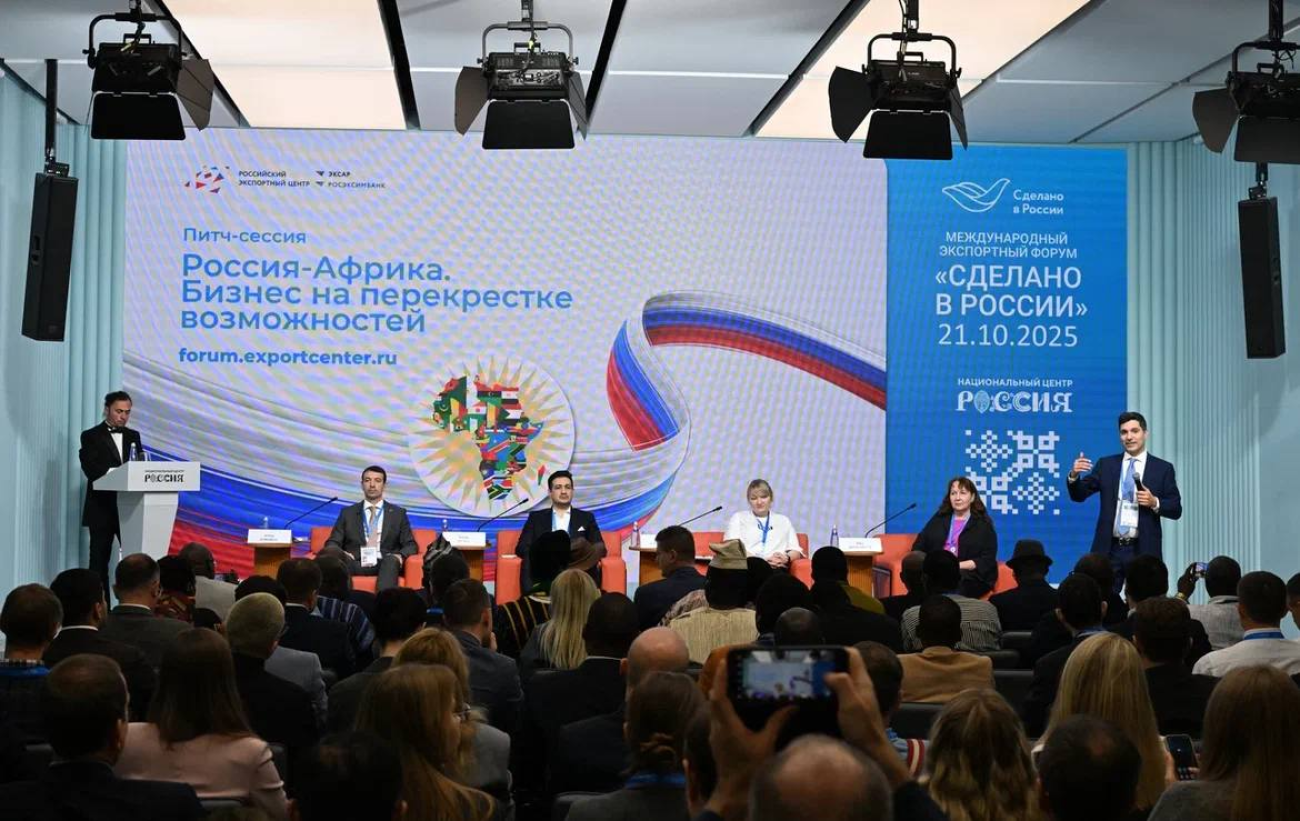
At the international export forum Made in Russia, Leber’s CEO presented Russia’s experience in developing children’s and sports playgrounds during the Russia–Africa session, attended by delegates from more than 80 countries.
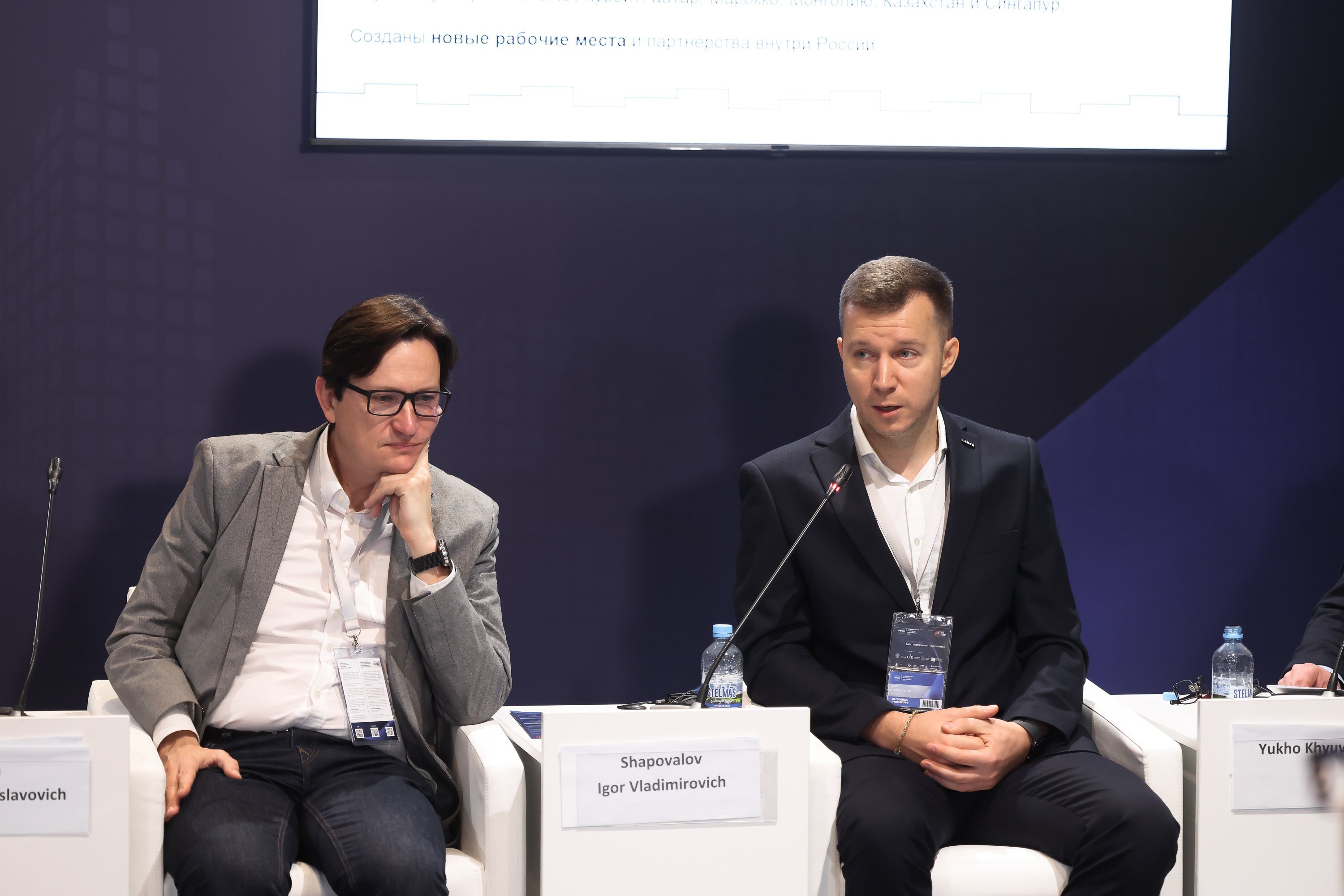
One of the year’s landmark moments was a keynote address by Igor Shapovalov, Leber’s Chief Marketing Officer, at the BRICS International Municipal Forum 2025 in Saint Petersburg. His presentation, titled «Localization Instead of Isolation, » explored how rebuilding supply chains in partnership with BRICS+ countries is strengthening the competitive position of Russian manufacturers.
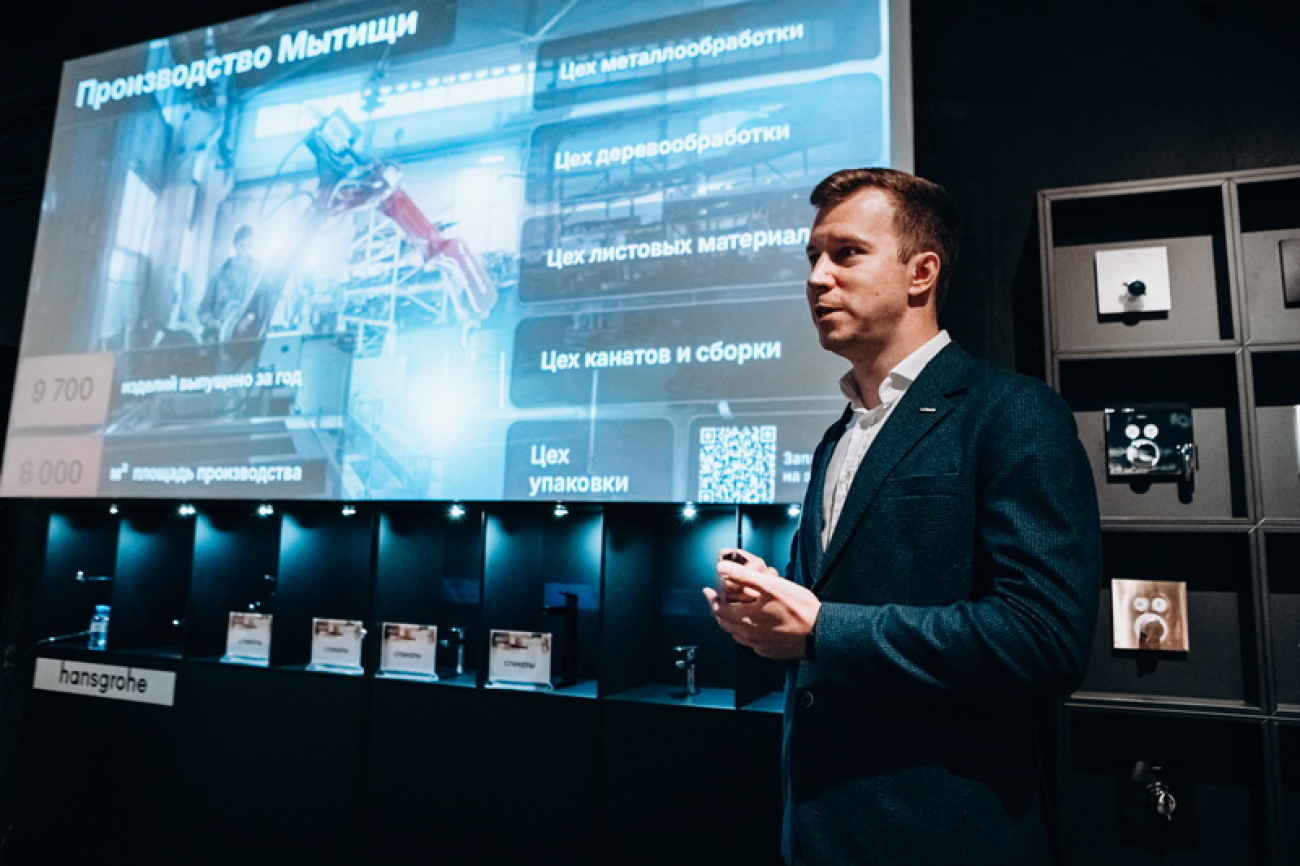
The company also took part in architectural and development forums in Saint Petersburg, Nizhny Novgorod, Kazan, Ryazan, and Vladivostok. Discussions focused on how playgrounds influence property value, how small architectural forms integrate into the urban fabric, and how public space design contributes to tourism and territorial capitalization.
In 2025, Leber was present wherever industry demand was taking shape and where the future architectural agenda was being defined.
Over the course of the year, Leber’s speakers took part in key industry forums and professional platforms, including FORCITIES, the Russian Urban Forum, «The Power of Childhood, ” Urban Master Workshops, NART at the Chamber of Commerce and Industry, the AIDT strategic session, Russian Construction Week, the Urbans Festival in Sochi, the All-Russian Quality Day, and also served on the expert panel for project defenses at RUDN University.
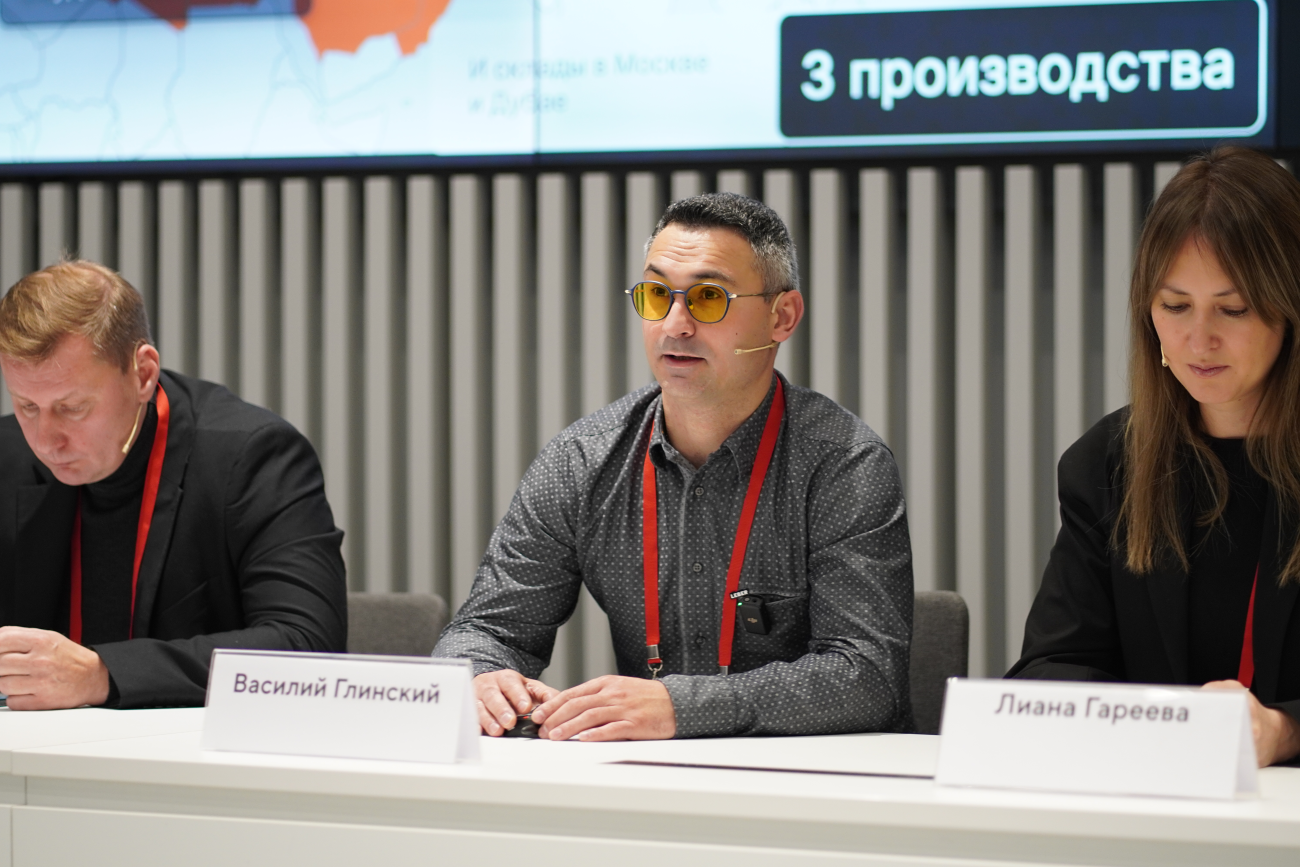
In effect, 2025 became a year in which Leber missed no major public platform. The company maintained a strong presence across municipal forums, business breakfasts, hackathons, industry roundtables, and educational programs. For most of these events, Leber prepared dedicated presentations, with speakers representing top management, marketing, and operations.
A distinct focus was placed on expert roles. Leber representatives served on evaluation panels for project defenses at RUDN University, contributed to the assessment of solutions during industry sessions, and represented the Russian playground sector within the Association of Children’s Goods Industry Enterprises and the Association of Parks. This work reinforced Leber’s position not merely as a manufacturer, but as a contributor to setting and auditing standards for the urban environment.
Exhibitions in Russia and abroad
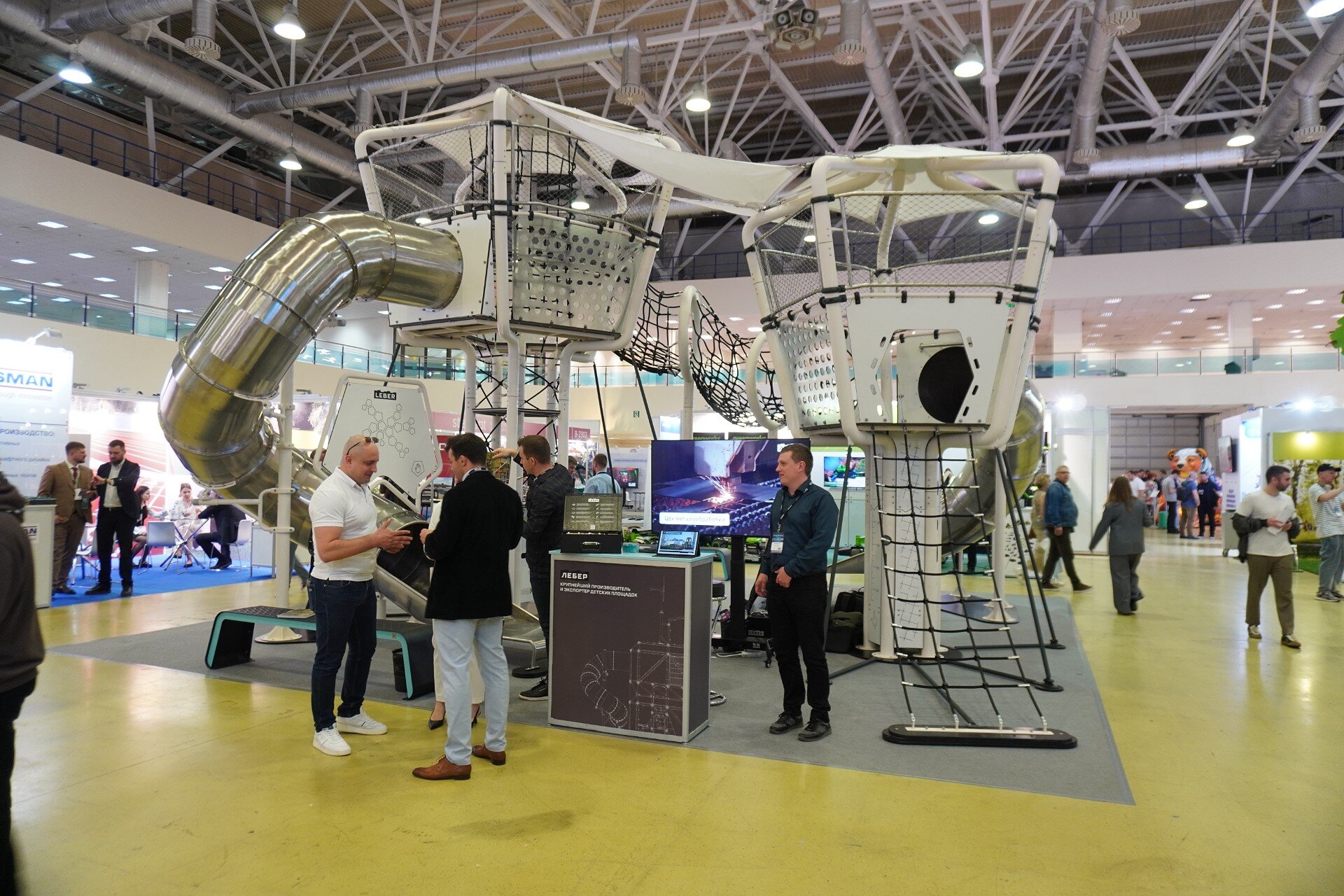
In Russia, Leber continued to hold its status as an active participant in key industry platforms. The flagship exhibition remains ParkSeason Expo, where the company presents new products twice a year. In spring 2025, Leber unveiled the Towers metal play complex, built around a strong architectural narrative; in autumn, the spotlight shifted to solutions from the Eco Leber natural series.
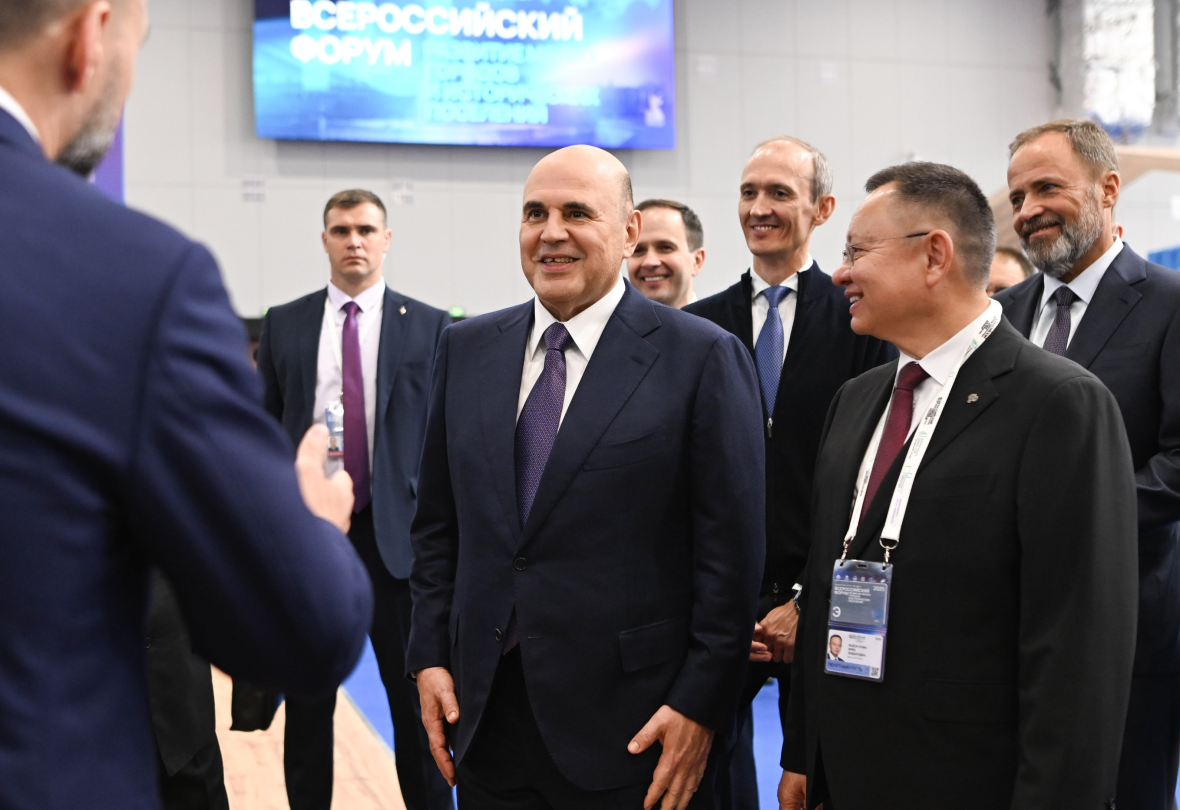
At the forum Development of Small Towns and Historic Settlements in Kazan, Leber’s stand drew particular attention during a visit by Prime Minister Mikhail Mishustin. The discussion focused on visual images and cultural symbols that can be thoughtfully woven into urban improvement projects while respecting and enhancing the historical context.
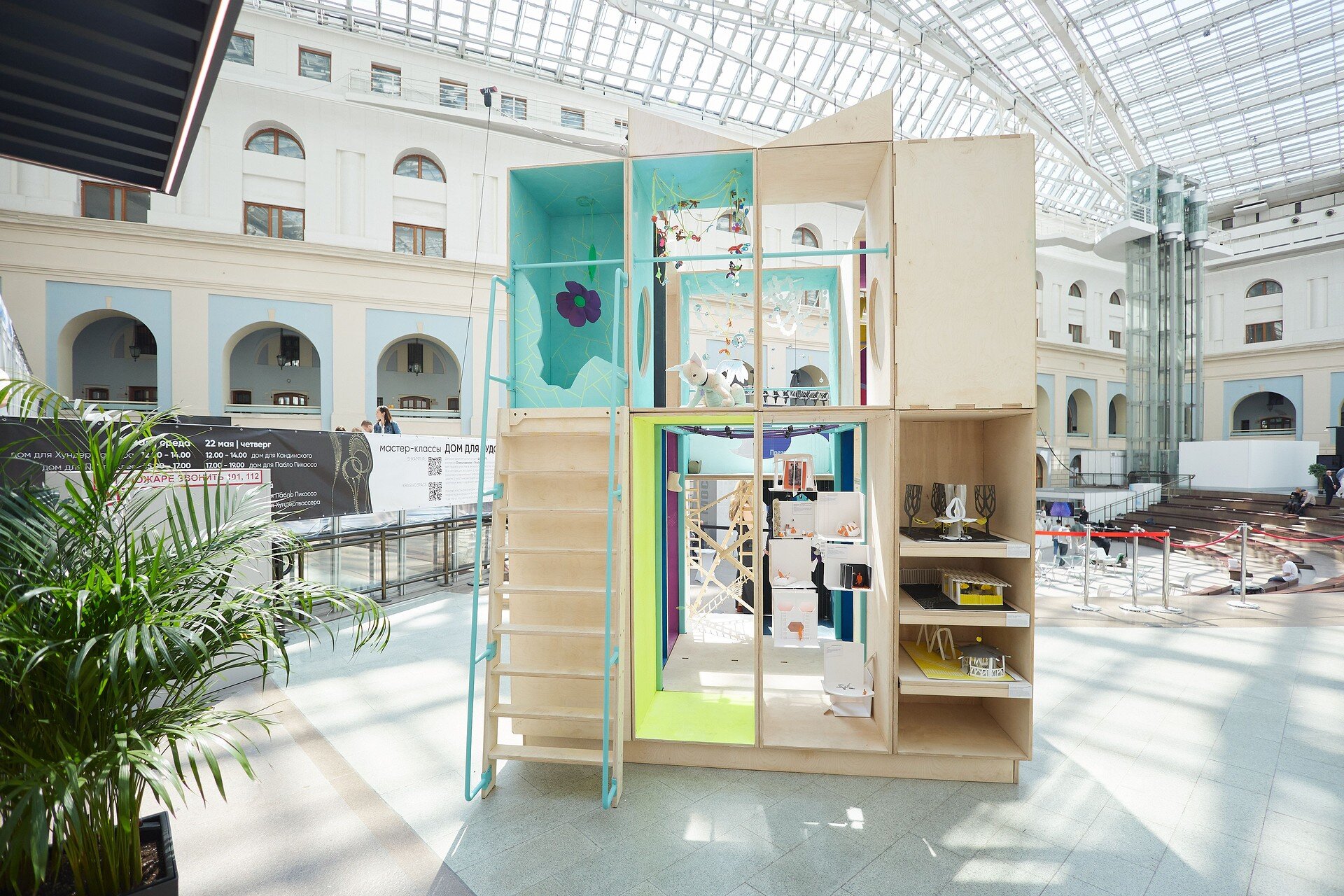
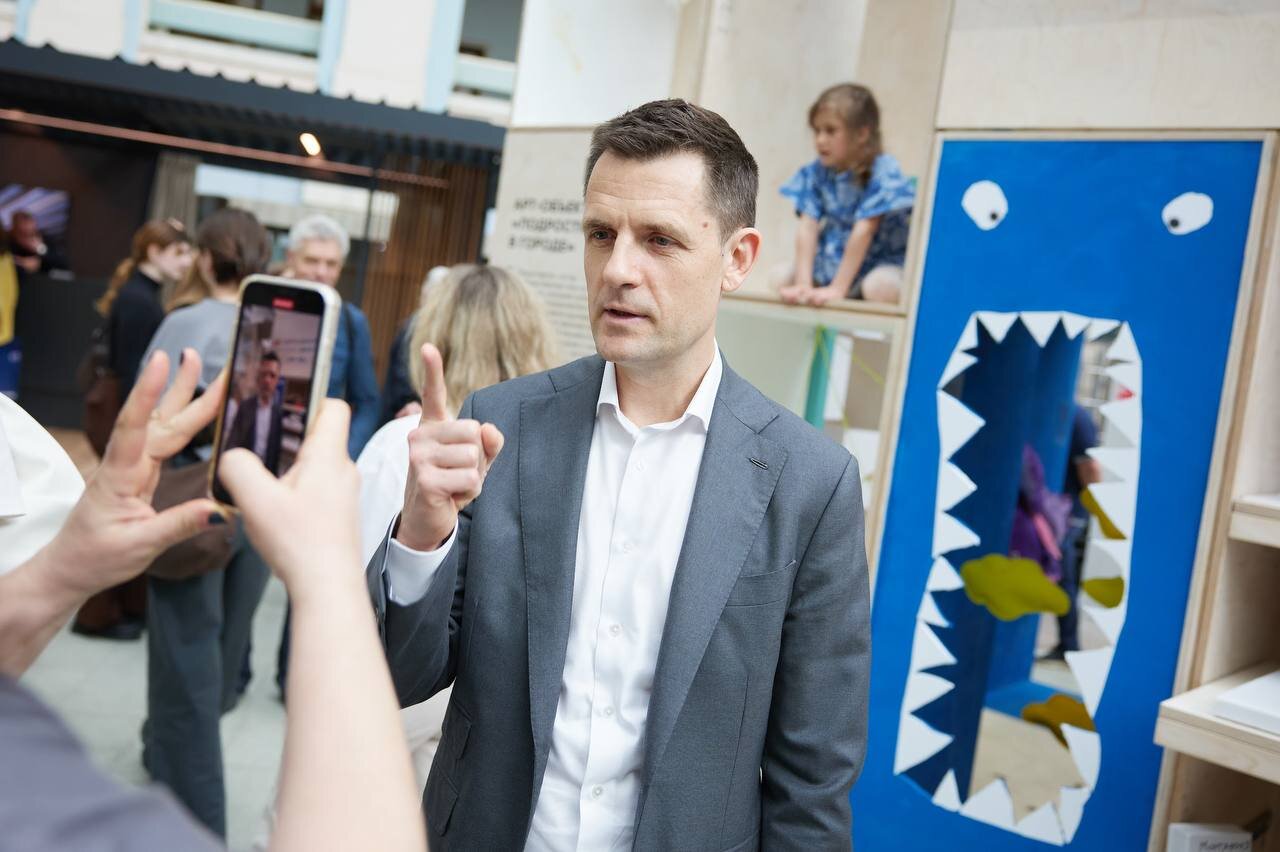
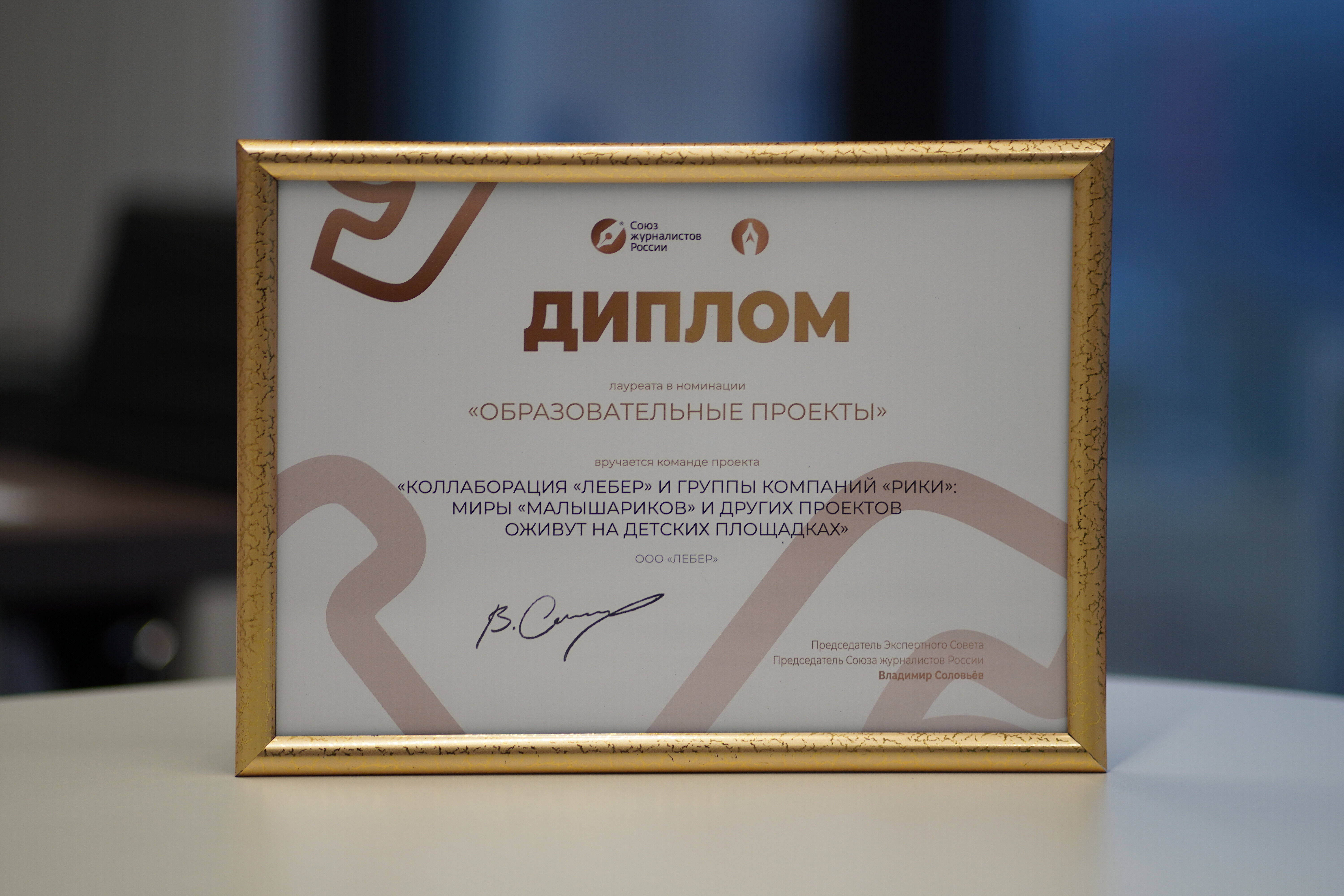
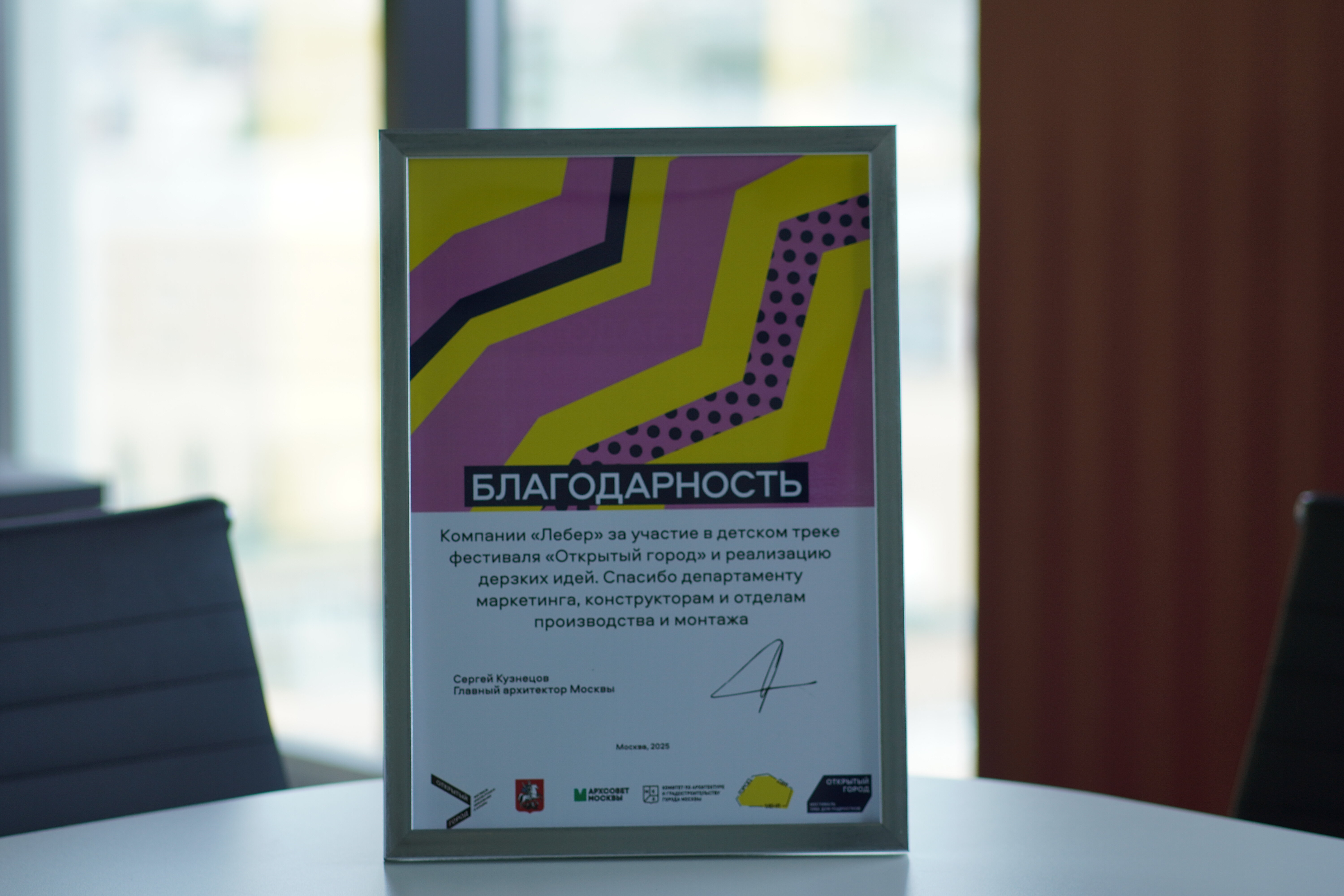
At ARCH Moscow 2025, Leber took part as a co-author of the project Teenagers in the City, developed in collaboration with school students and architects. The creative concept was highlighted by Moscow’s Chief Architect Sergey Kuznetsov. After the exhibition, the play structure designed together with the children was transferred to the Moscow Museum.
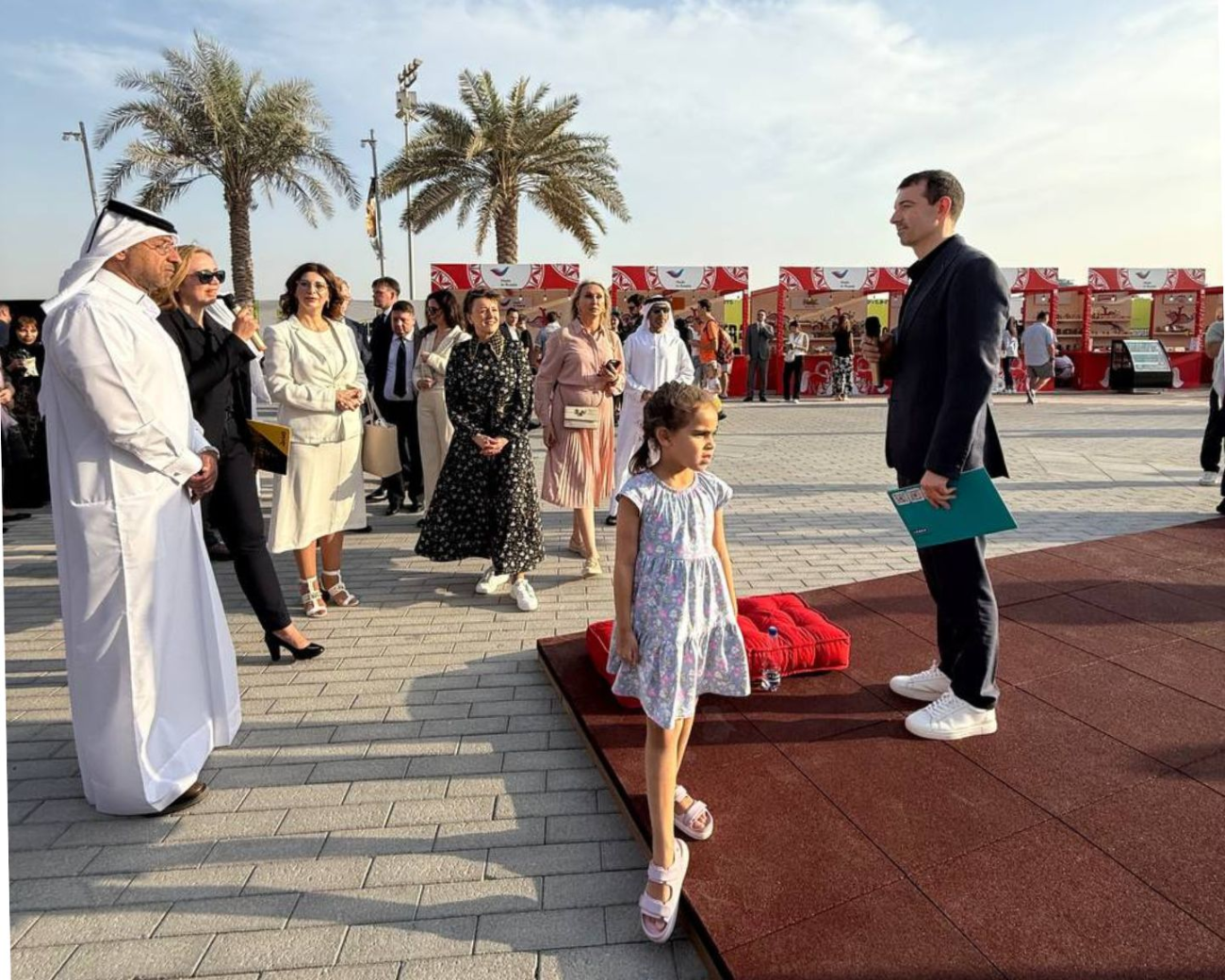
At the Made in Russia festival in Abu Dhabi, Leber installed a full-scale outdoor playground next to the Etihad Arena. The project drew the attention of key regional stakeholders: the Ambassador of the Abu Dhabi Chamber of Commerce and Industry visited the site, personally assessed the quality of the equipment, and discussed the project with Leber CEO Artem Sorokin.
Among the major international platforms of 2025 were FSB Sports Show Riyadh (Riyadh), Baytak Expo (Kuwait), and Big 5 Global (Dubai). At these events, Leber showcased integrated solutions for urban environments, including playgrounds, sports formats, and scientific modules designed for hot climates and intensive daily use.
«Urban Legends»: a closed platform for professional dialogue
In 2025, Leber continued to develop its Urban Legends format—a series of invitation-only, in-person meetings for developers, architects, and designers. Conceived as an alternative to traditional industry conferences, the format deliberately avoids rigid agendas and formal presentations, focusing instead on open discussion of real projects, practical experience, and current market needs.
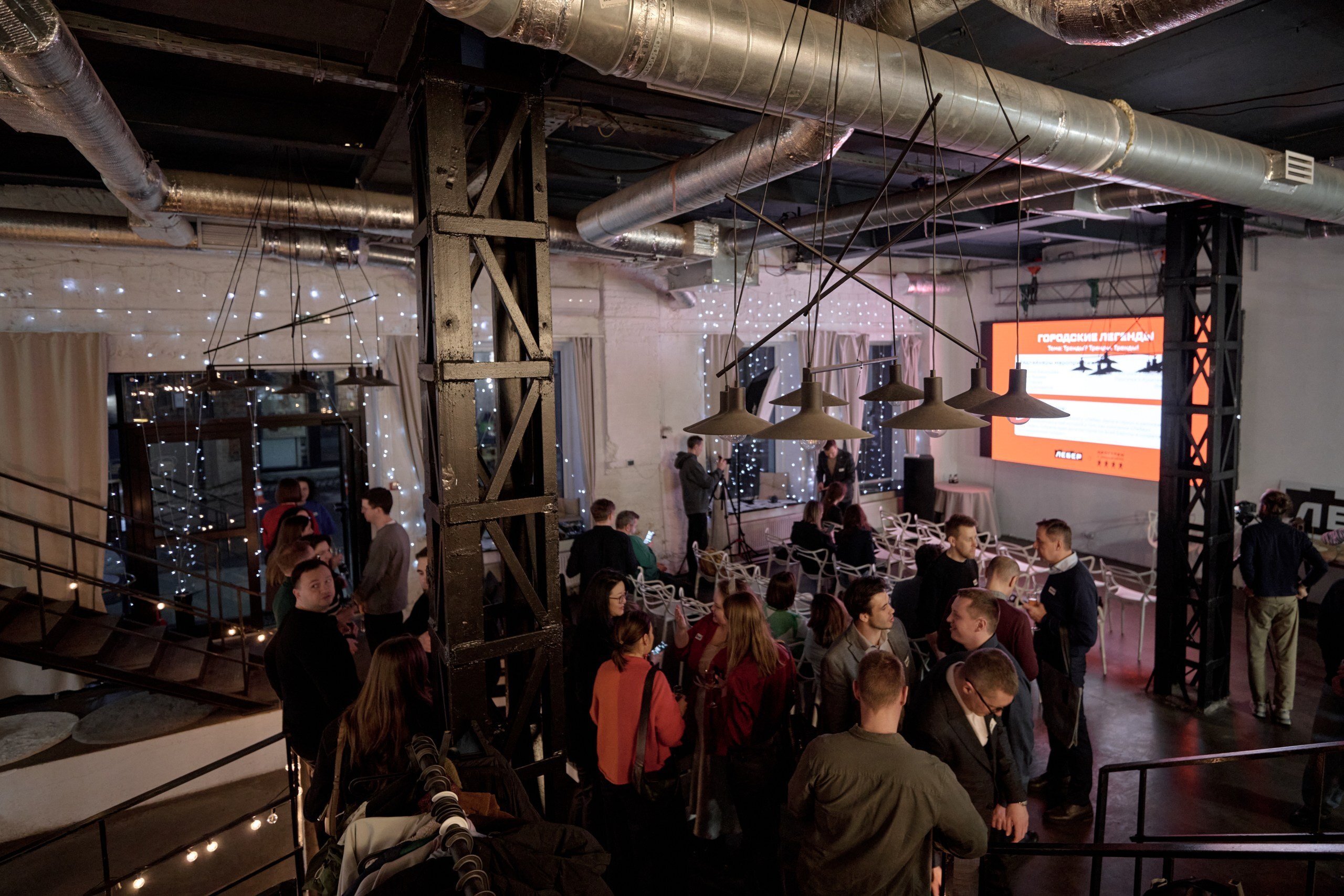
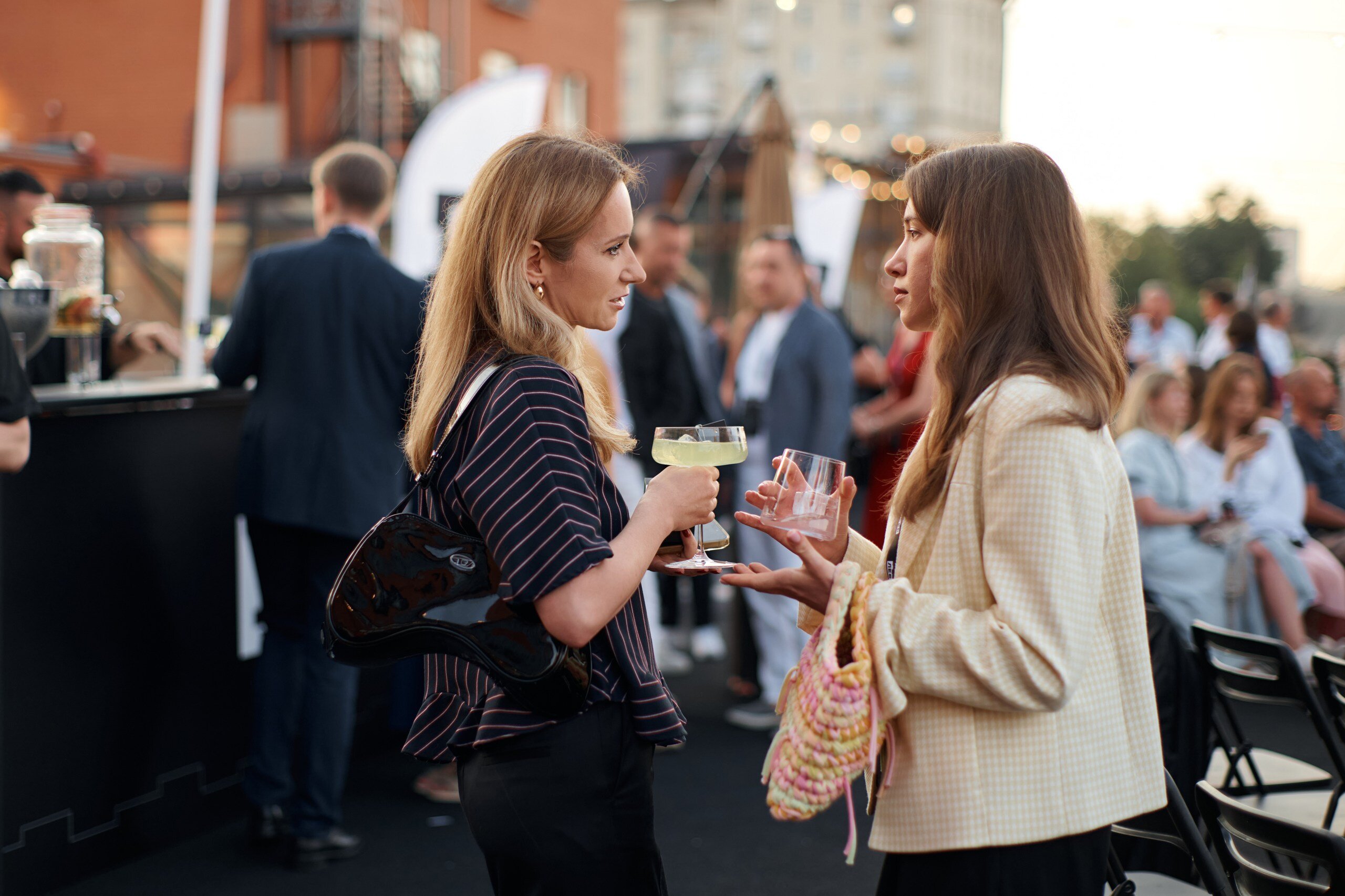
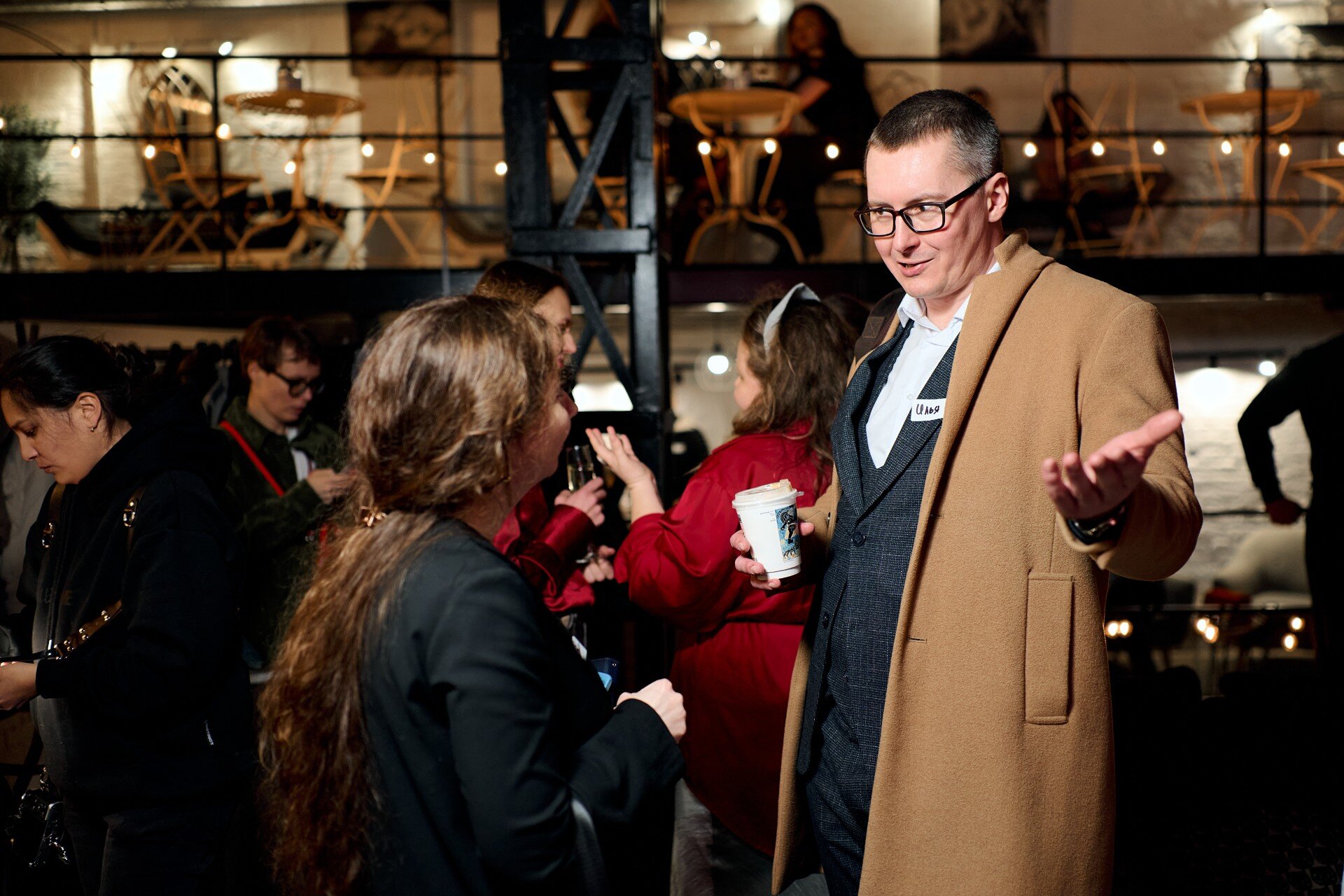
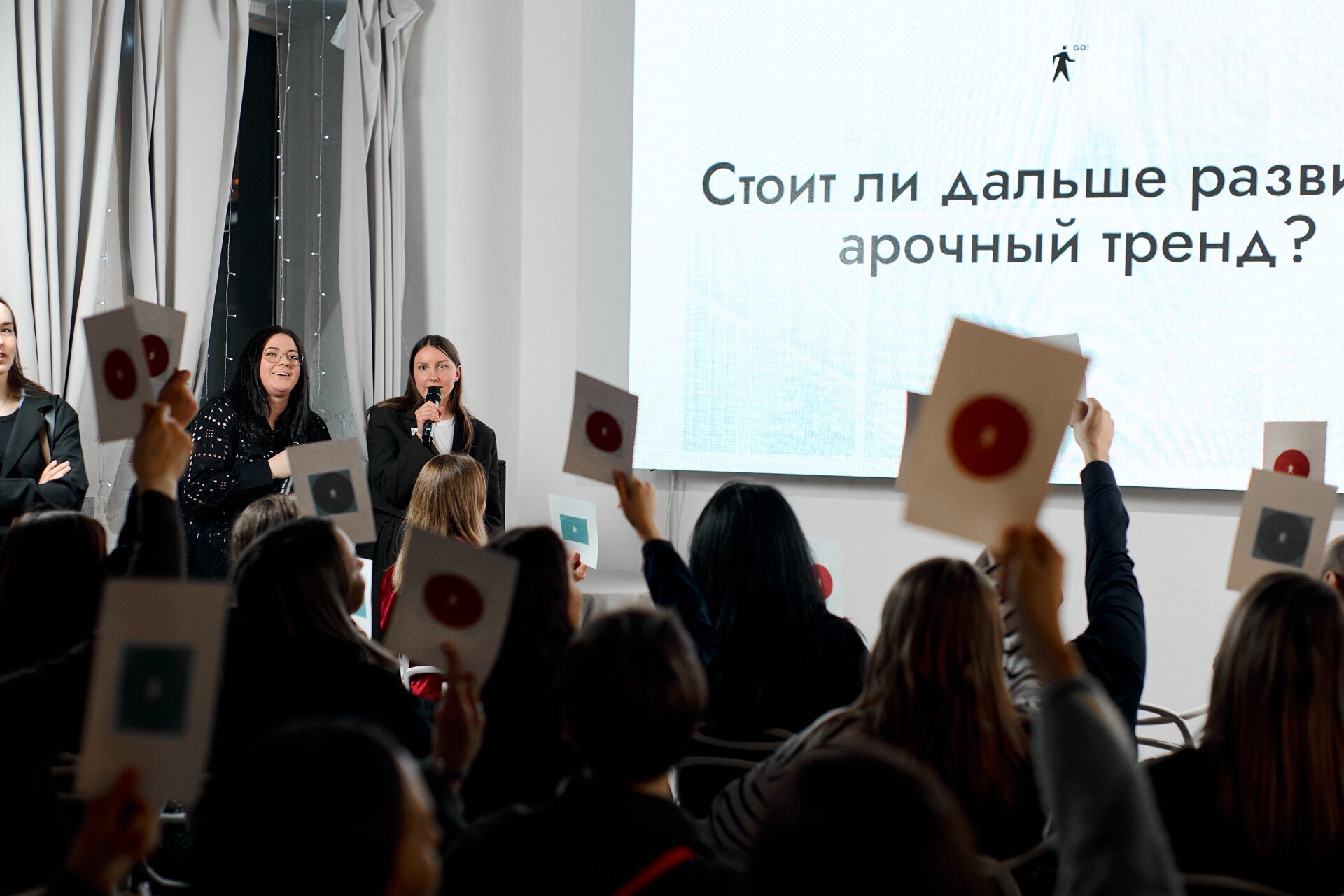
Over time, Urban Legends has evolved into a true peer-to-peer platform where participants openly discuss the economics of placemaking, the impact of the built environment on real estate value, and the changing expectations around public spaces.
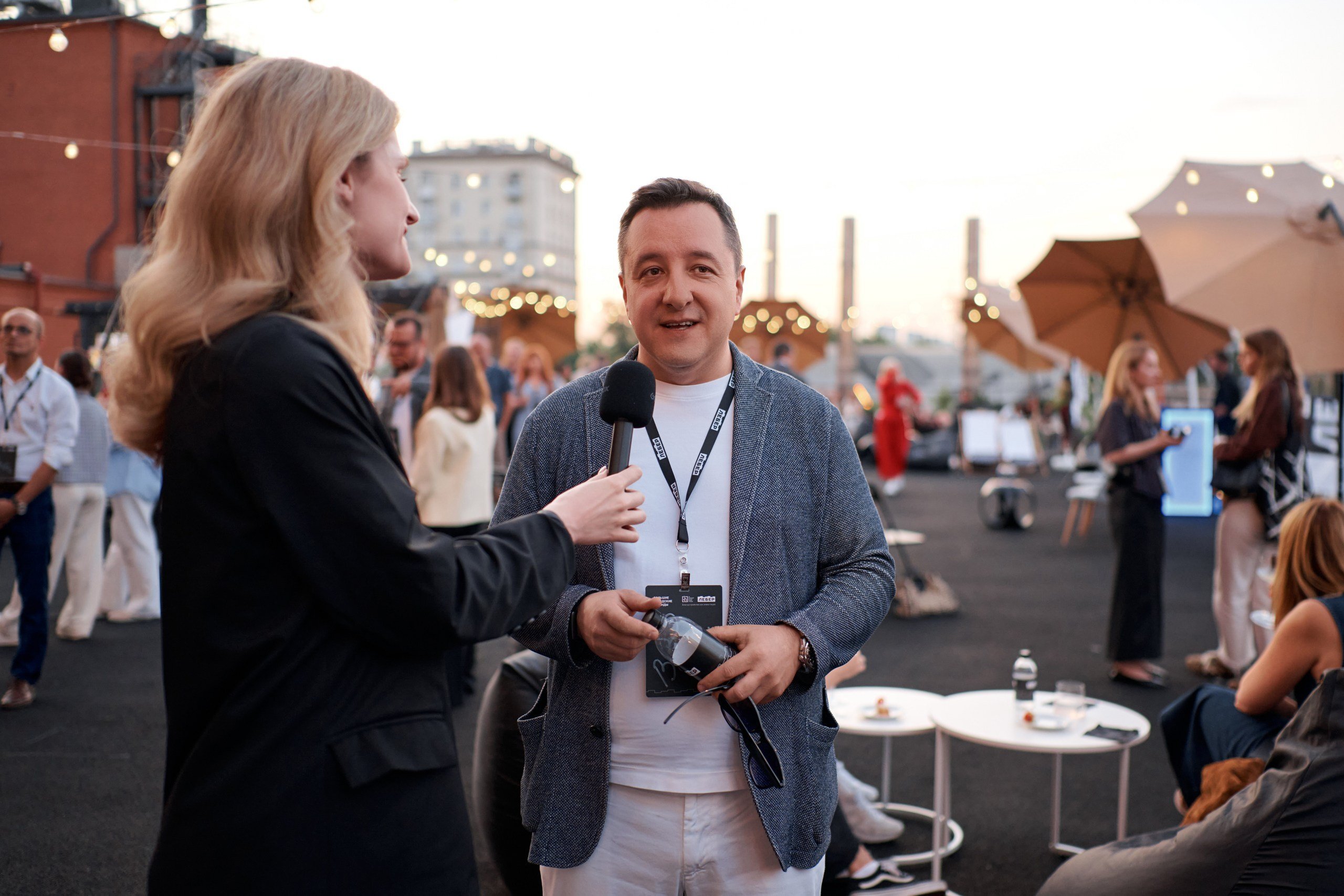
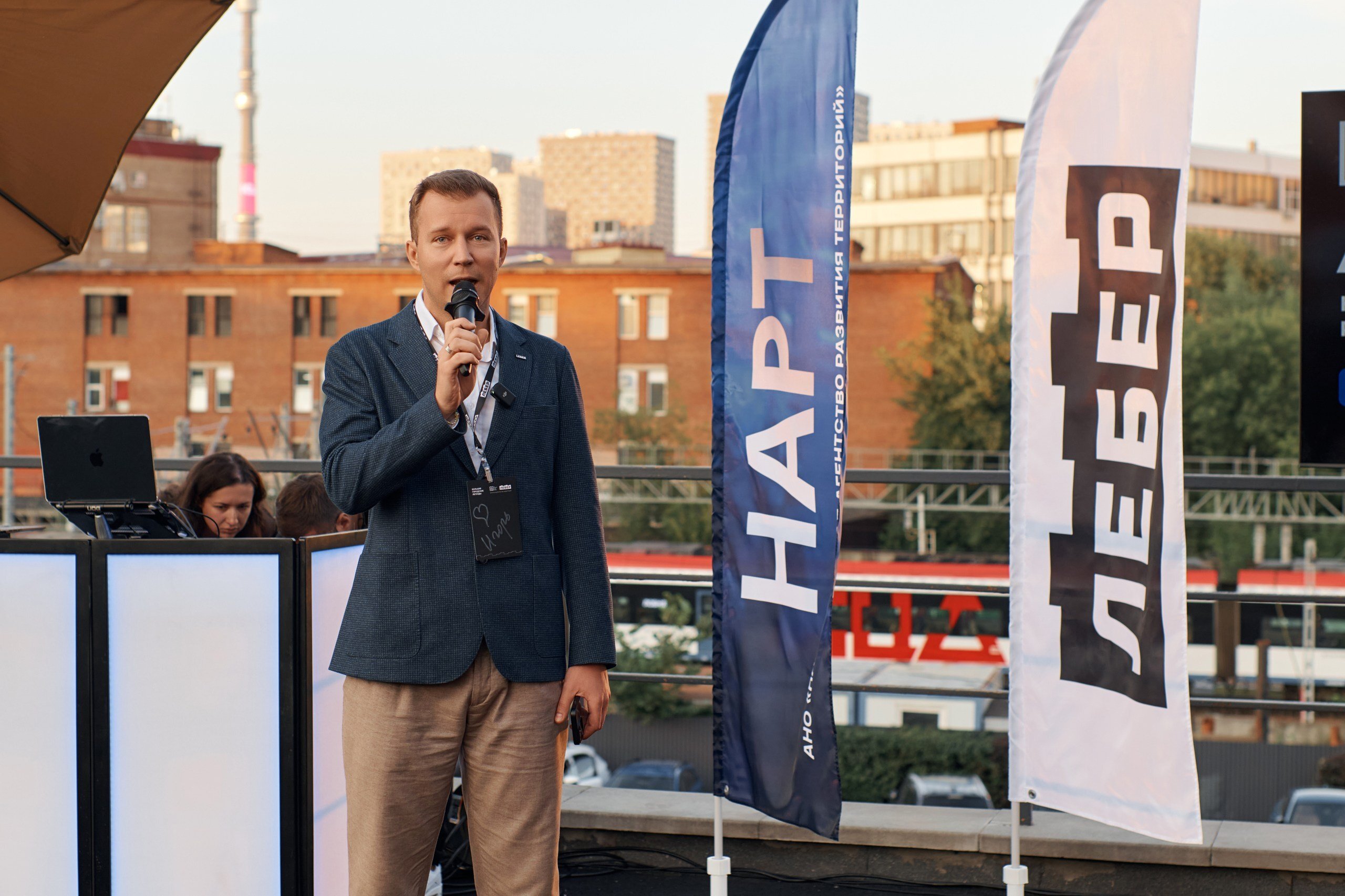
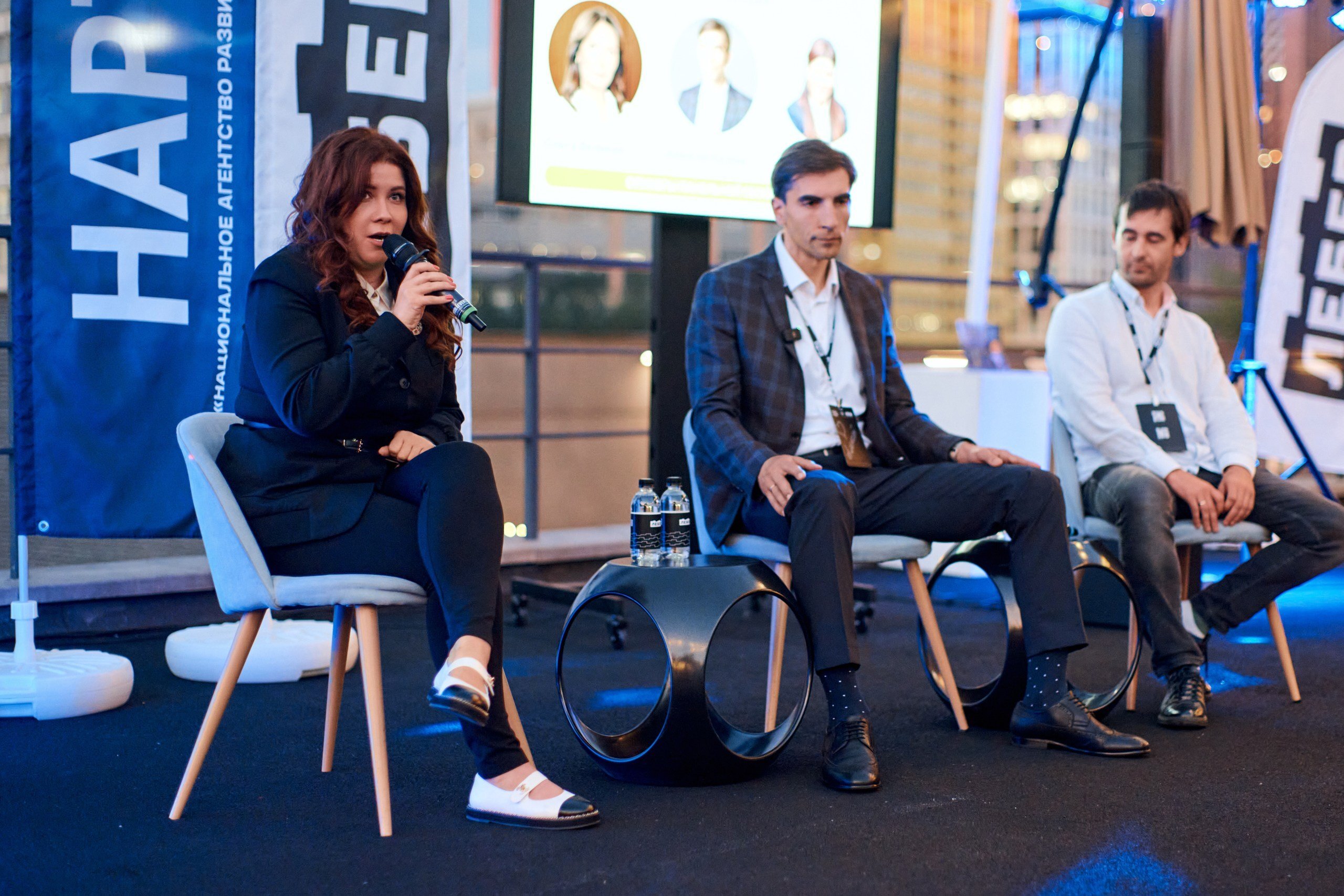
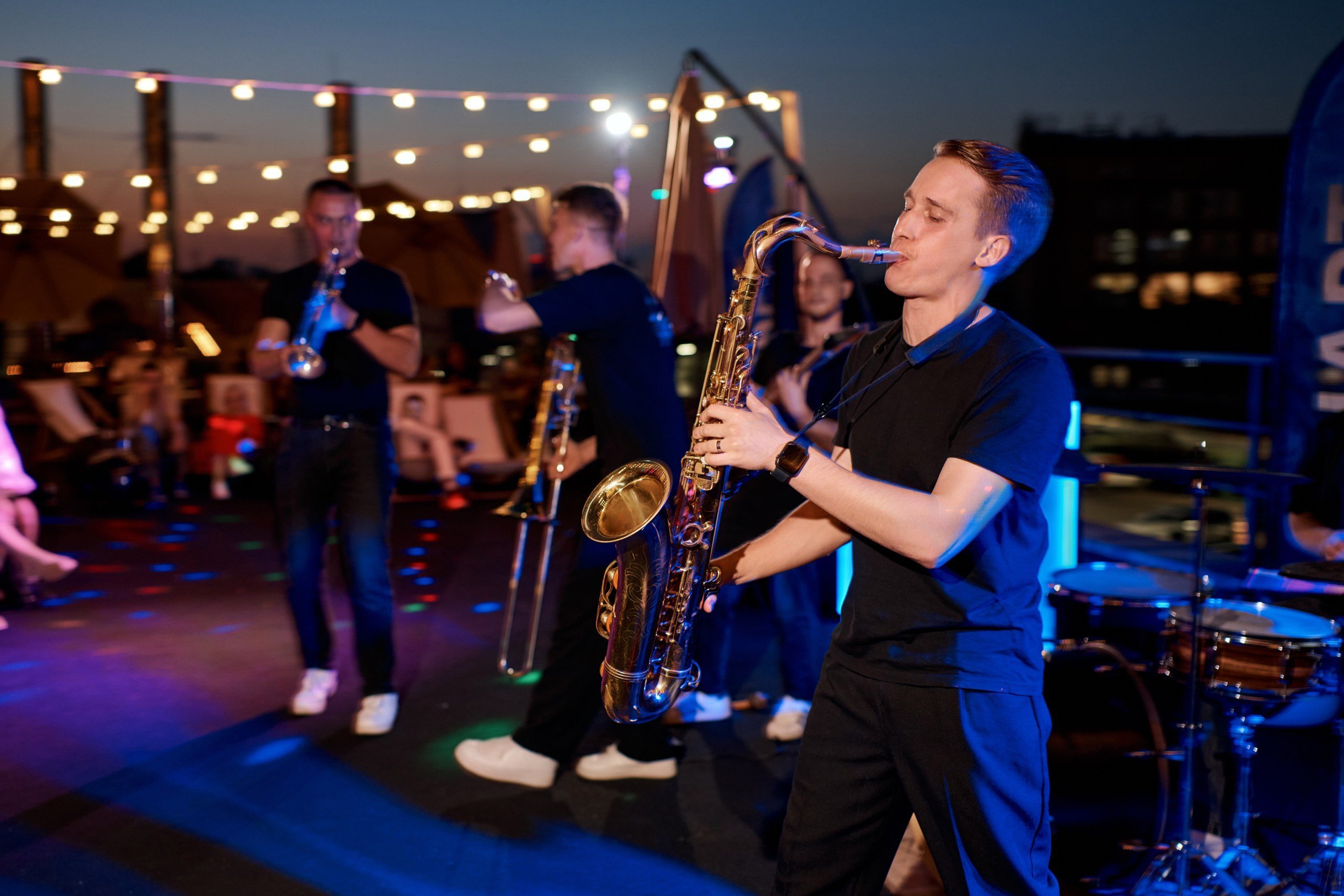
The project reached its peak with the Big Urban Legends event, held in summer on the rooftop of the Khlebzavod complex in Moscow. The gathering brought together more than 100 representatives from development companies, architectural studios, and project teams.
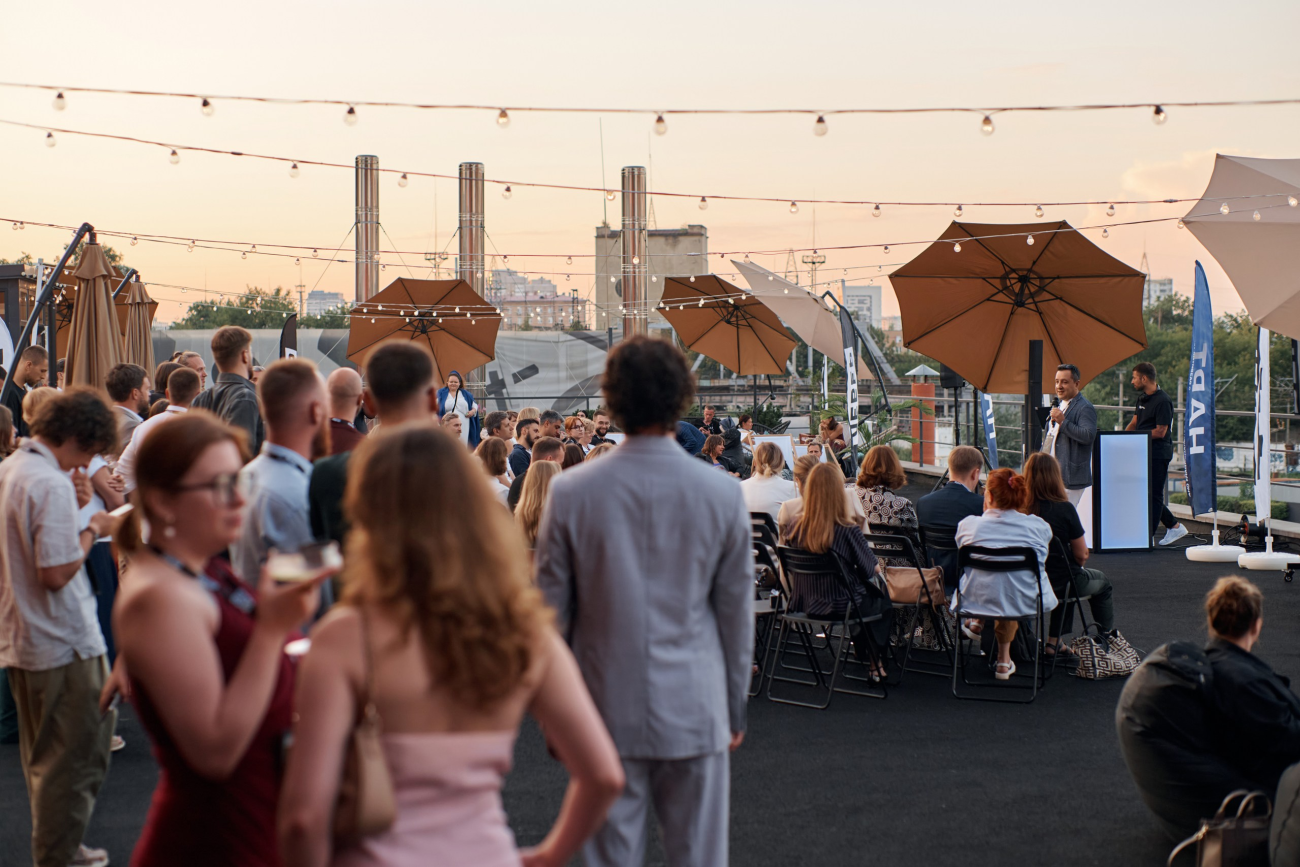
The event was held in partnership with the National Agency for Territorial Development (NART). The evening’s headline speaker was Vadim Ivanov, founder of EPIC LAB, who has delivered more than 60 development projects. The speaker lineup also included Igor Shapovalov, Chief Marketing Officer at Leber, and Sergey Lvov, CEO of NART.
The panel discussion featured representatives of some of Moscow’s largest development companies, including Oksana Diveeva (Capital Group), Andrey Kvyk (Mosinzhproekt), and Alexey Kozlov (Tekta Group). The conversation focused on practical issues—from placemaking scenarios in residential developments to the role of public spaces in shaping the long-term value of urban areas. The informal format enabled open dialogue, direct feedback, and the building of meaningful professional connections.
Leber Dealer Forum: Transparency and Partnership in Action
Another key pillar of Leber’s professional engagement in 2025 was its first-ever Dealer Forum, held in Moscow. The event brought together partners from across Russia as well as international markets, including Kazakhstan, Jordan, Kuwait, Serbia, and Mongolia.
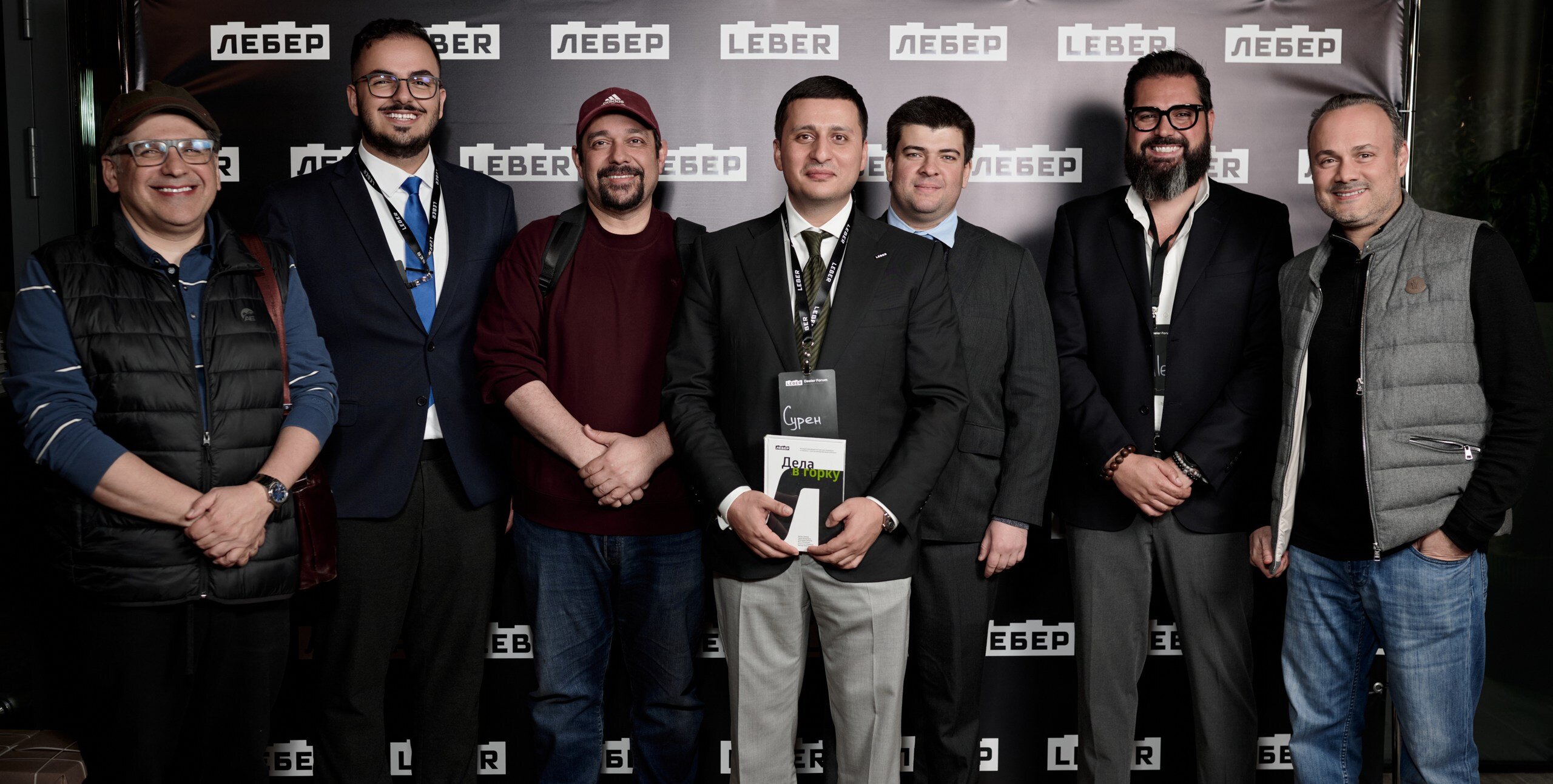
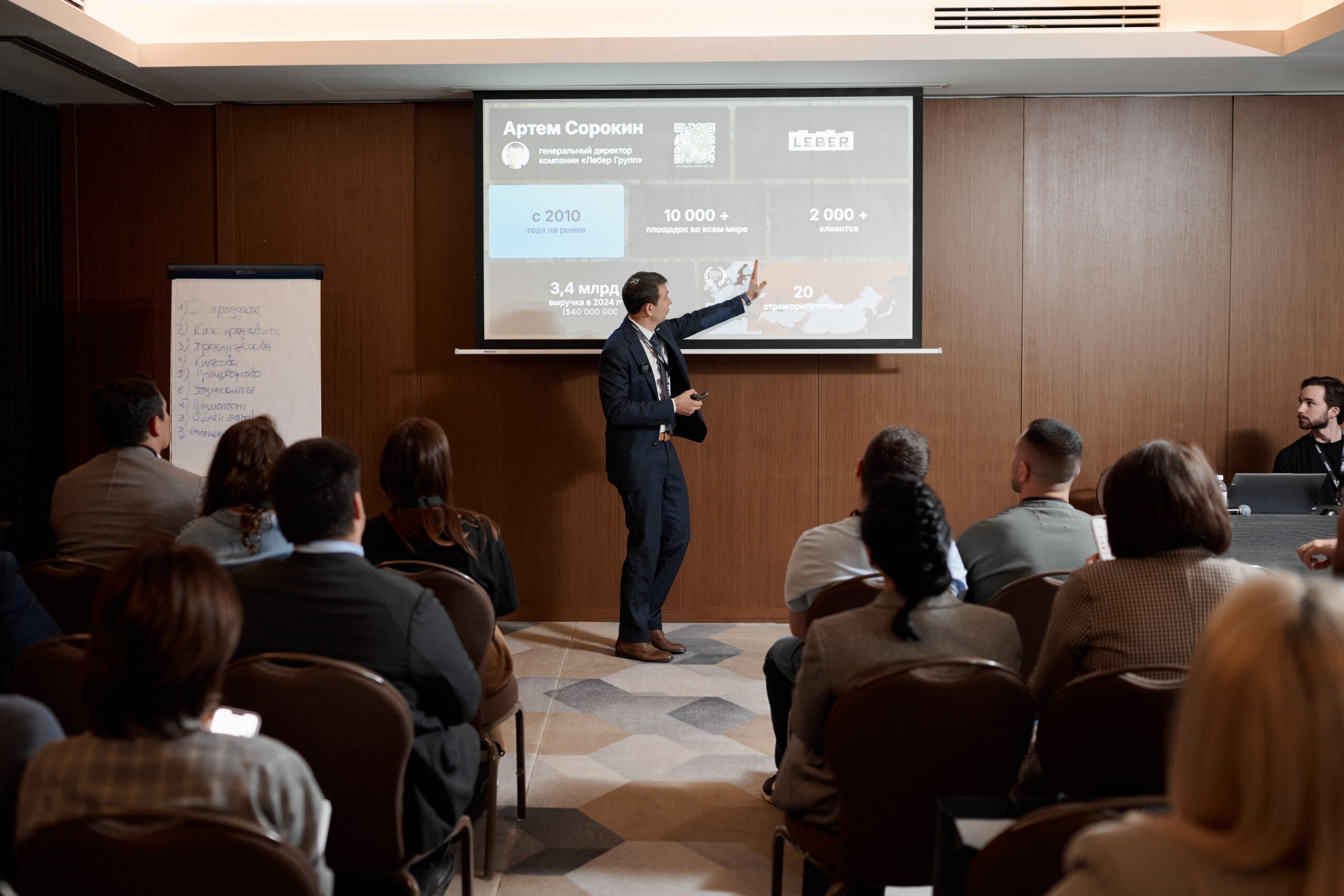
The forum program was built around a principle of transparency. During the business sessions, Leber’s top management delivered in-depth training on products, exports, marketing, and sales, tailored to the specific challenges and market conditions faced by partners in different regions.
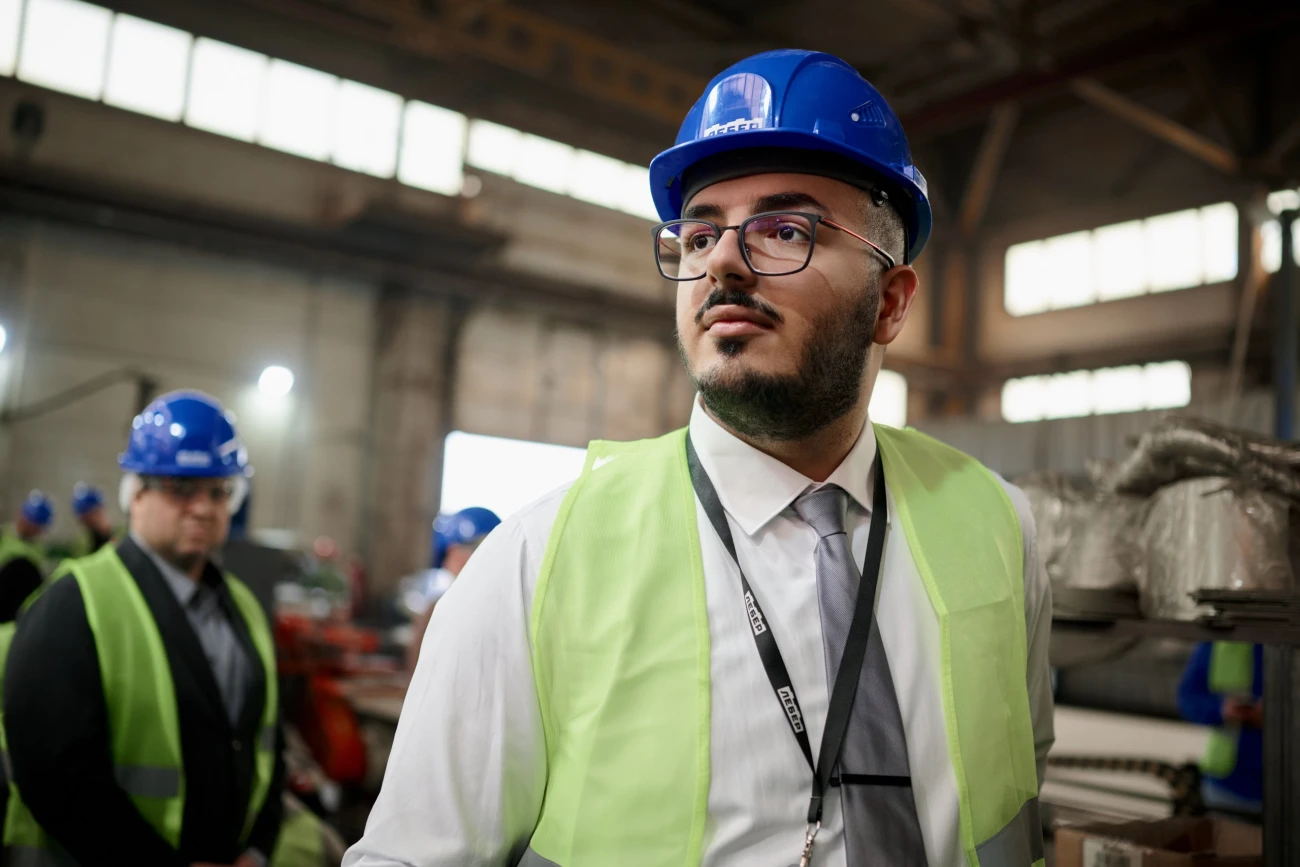
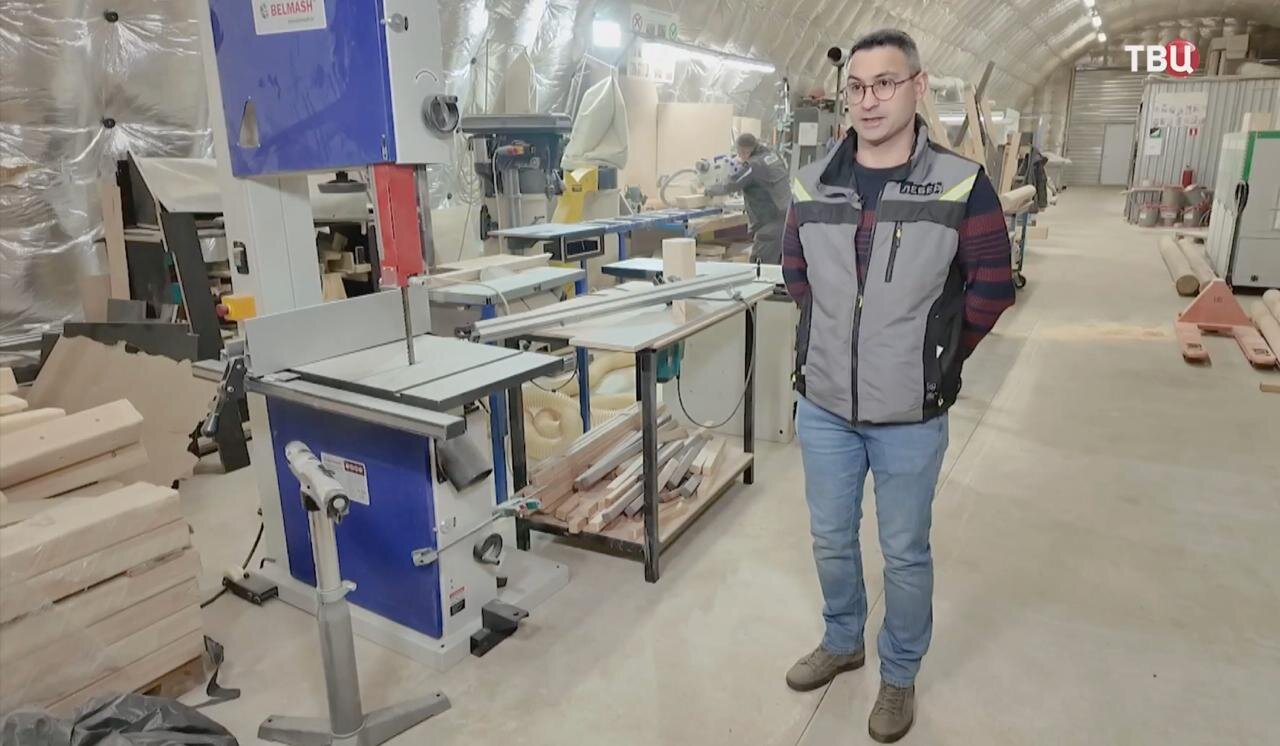
The practical part of the forum included visits to Leber’s production facilities in Mytishchi, including the newly launched woodworking hangar, as well as the logistics warehouse in Lobnya. Participants were able to see the entire process firsthand — from manufacturing and kit assembly to shipment — including the handling of their own orders.
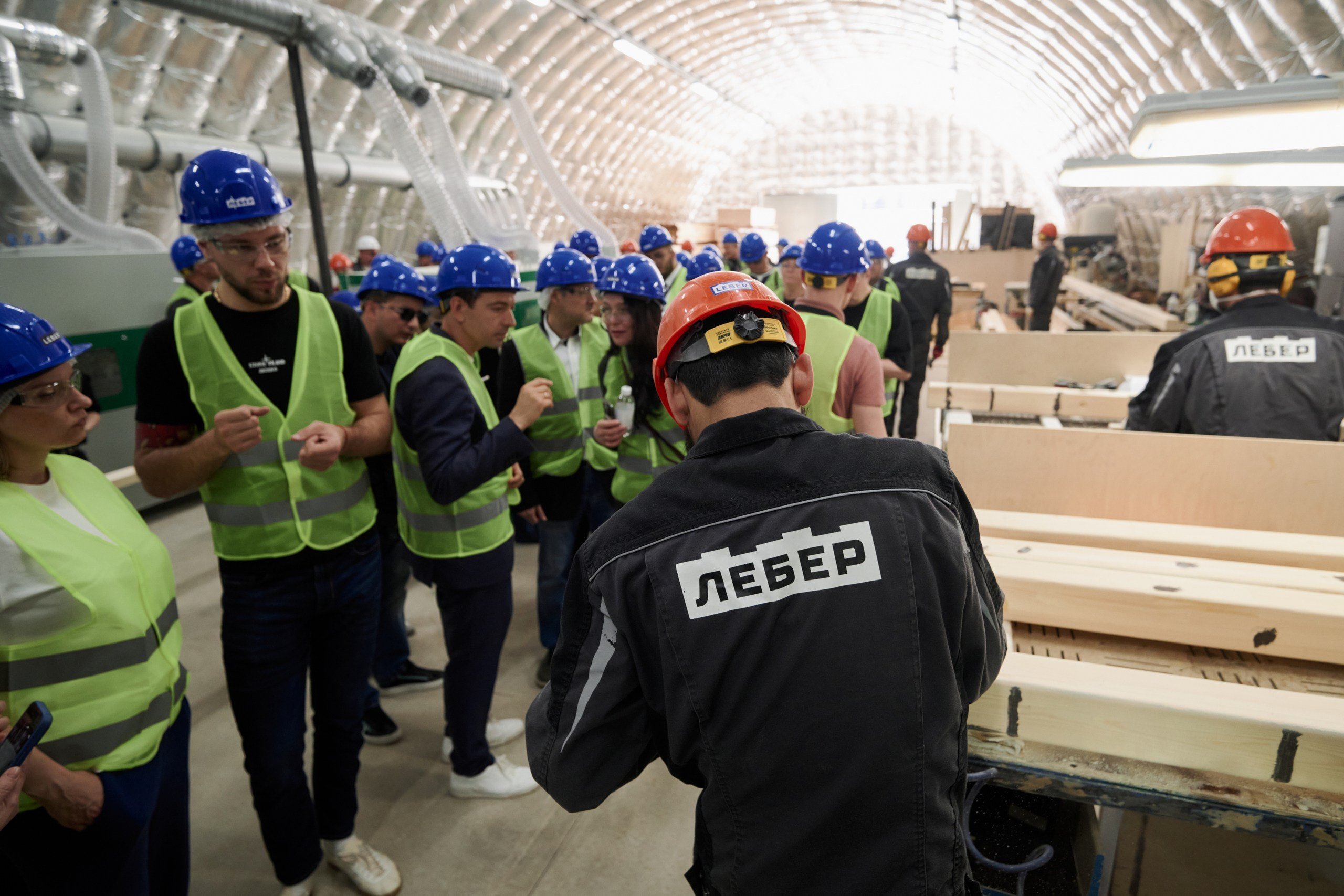
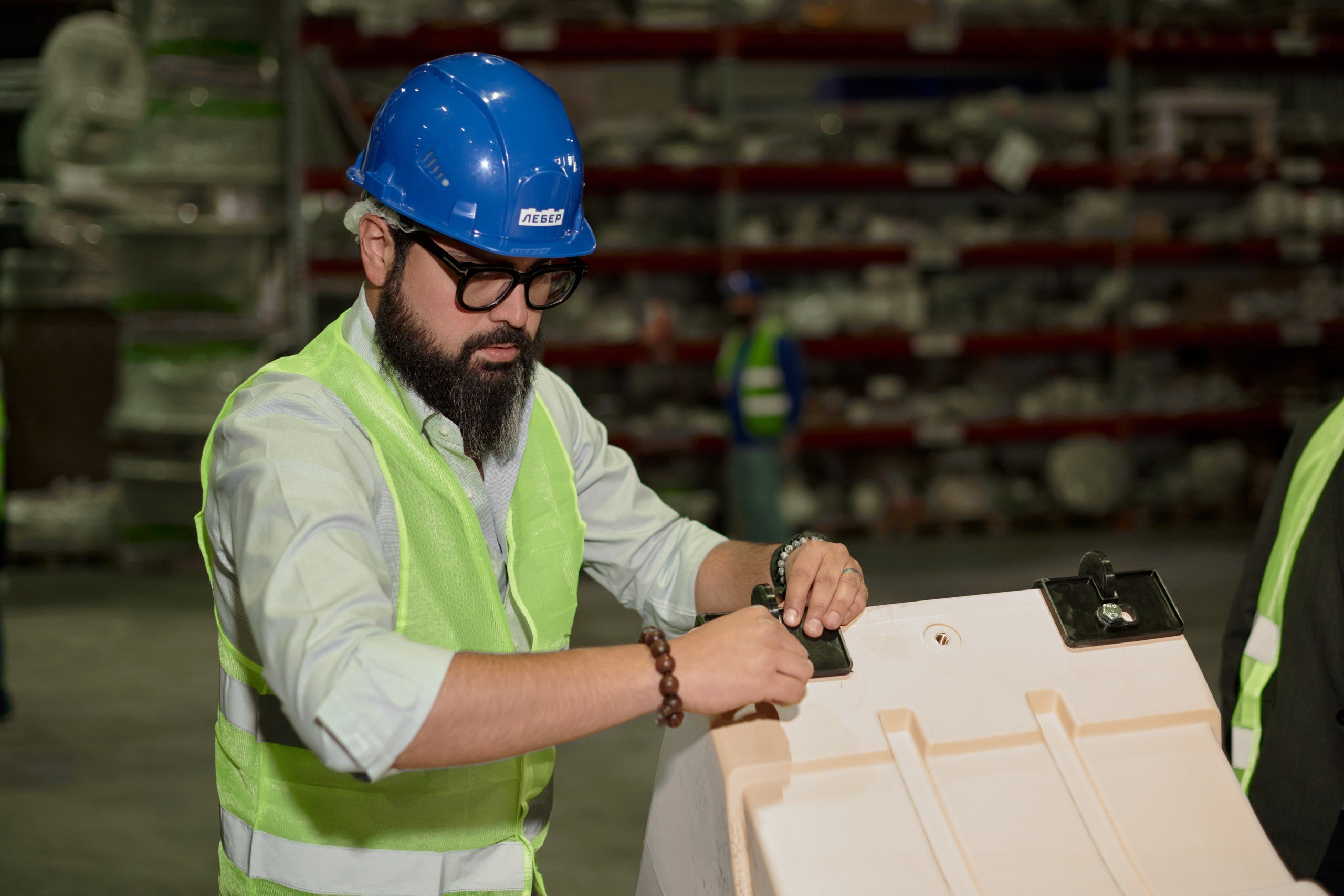
In addition, partners visited operating Leber playgrounds in Moscow and tested the equipment in real-life conditions. Following the discussions, dealers provided detailed feedback, and several proposals to improve services were implemented promptly, including updates to the dealer online account.
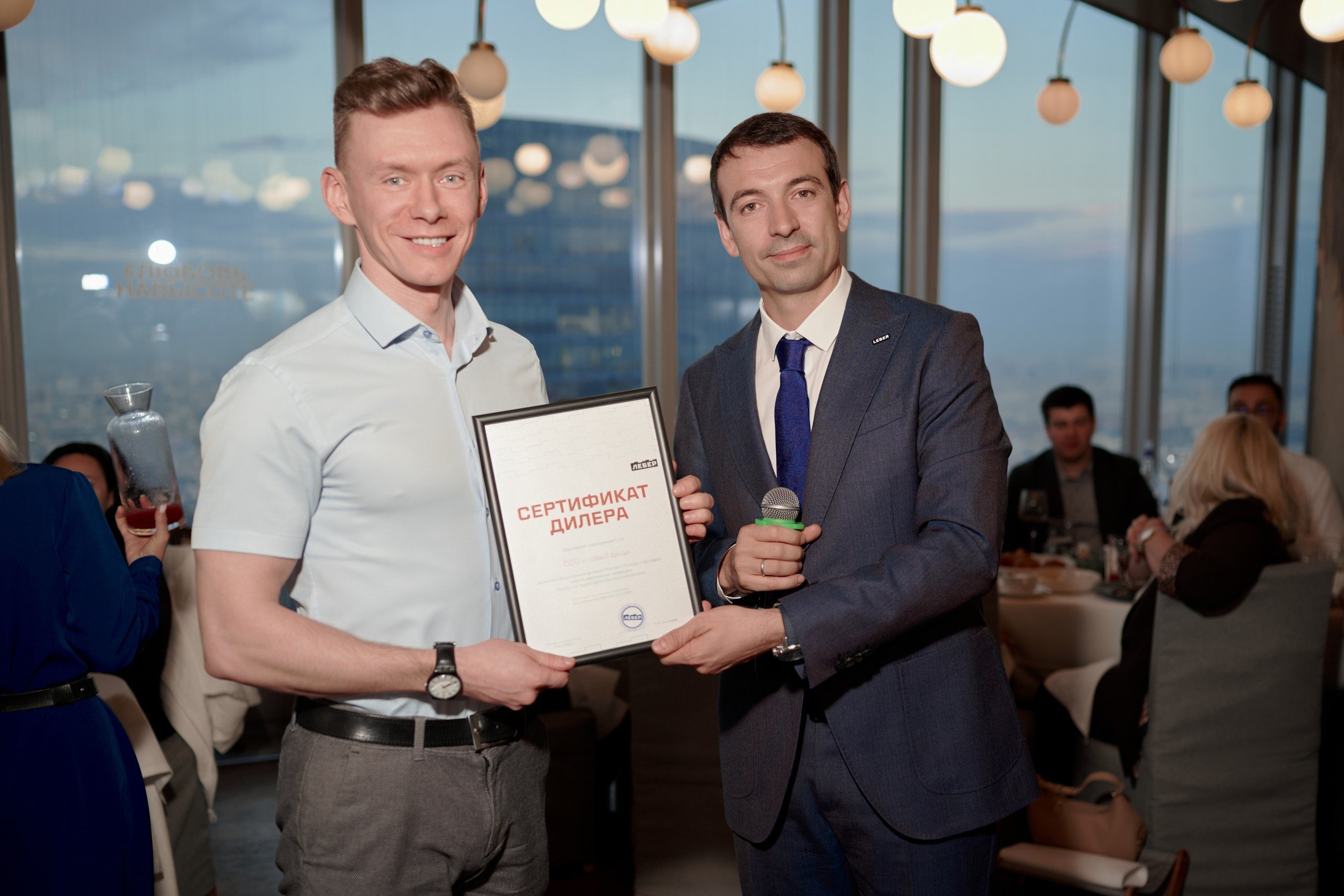
The forum concluded with a formal ceremony and the presentation of dealer certificates at the highest restaurant in Europe. As a result of the event, new partnership agreements were signed and a joint action plan for the next season was established.
Professional Recognition
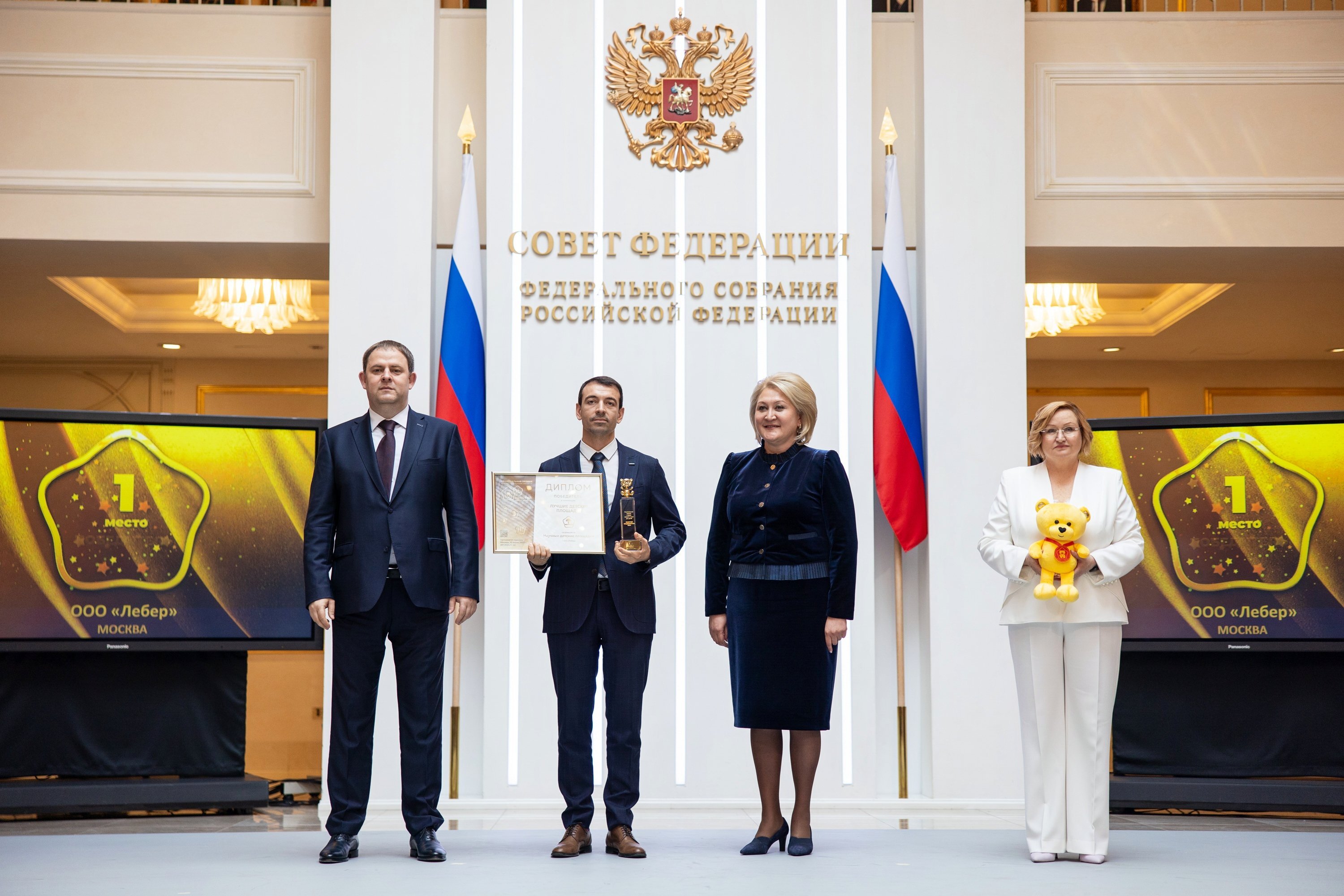
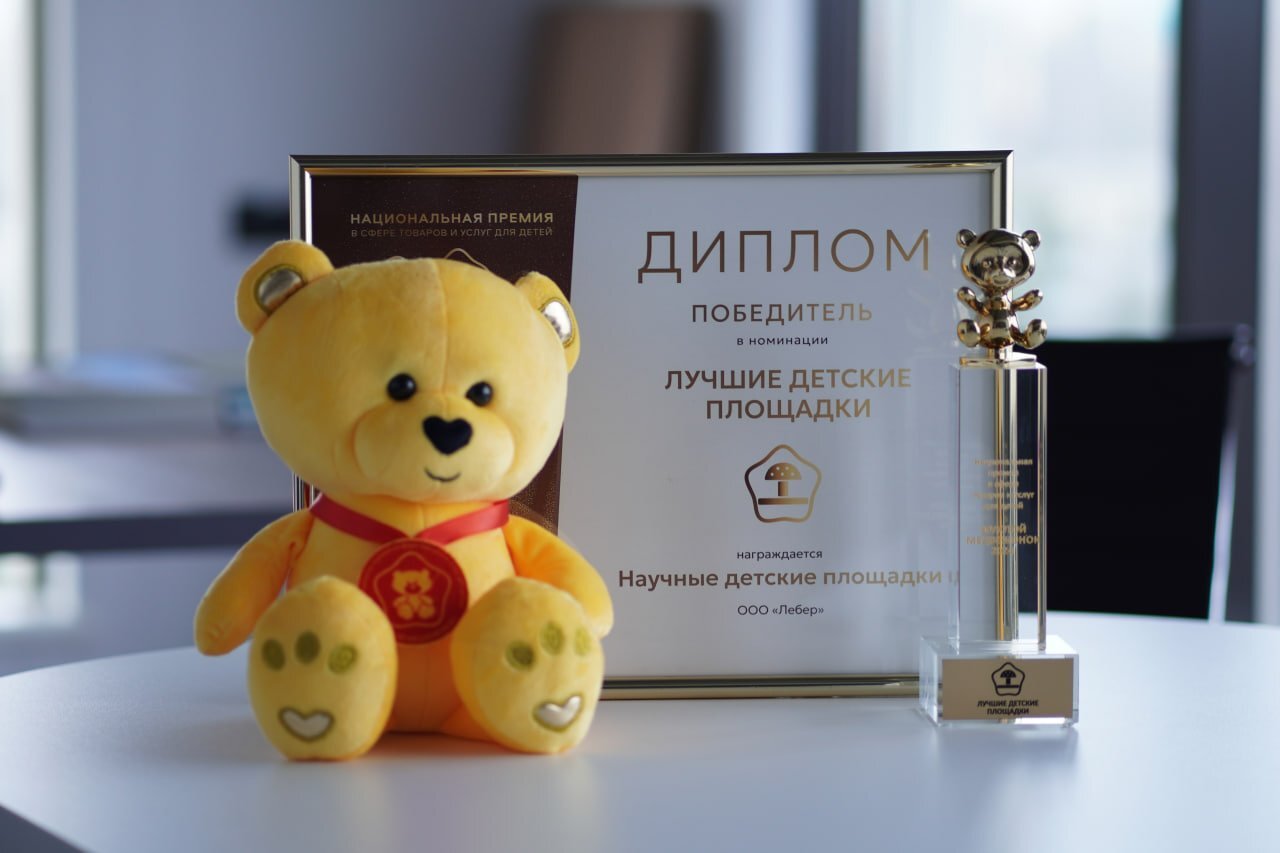
In 2025, Leber received several major professional accolades. The most significant was the Golden Bear Award, a national prize recognizing excellence in children’s products and infrastructure. The award ceremony took place at the Federation Council, where Leber’s CEO accepted the prize in the «Best Playgrounds» category on behalf of the company.
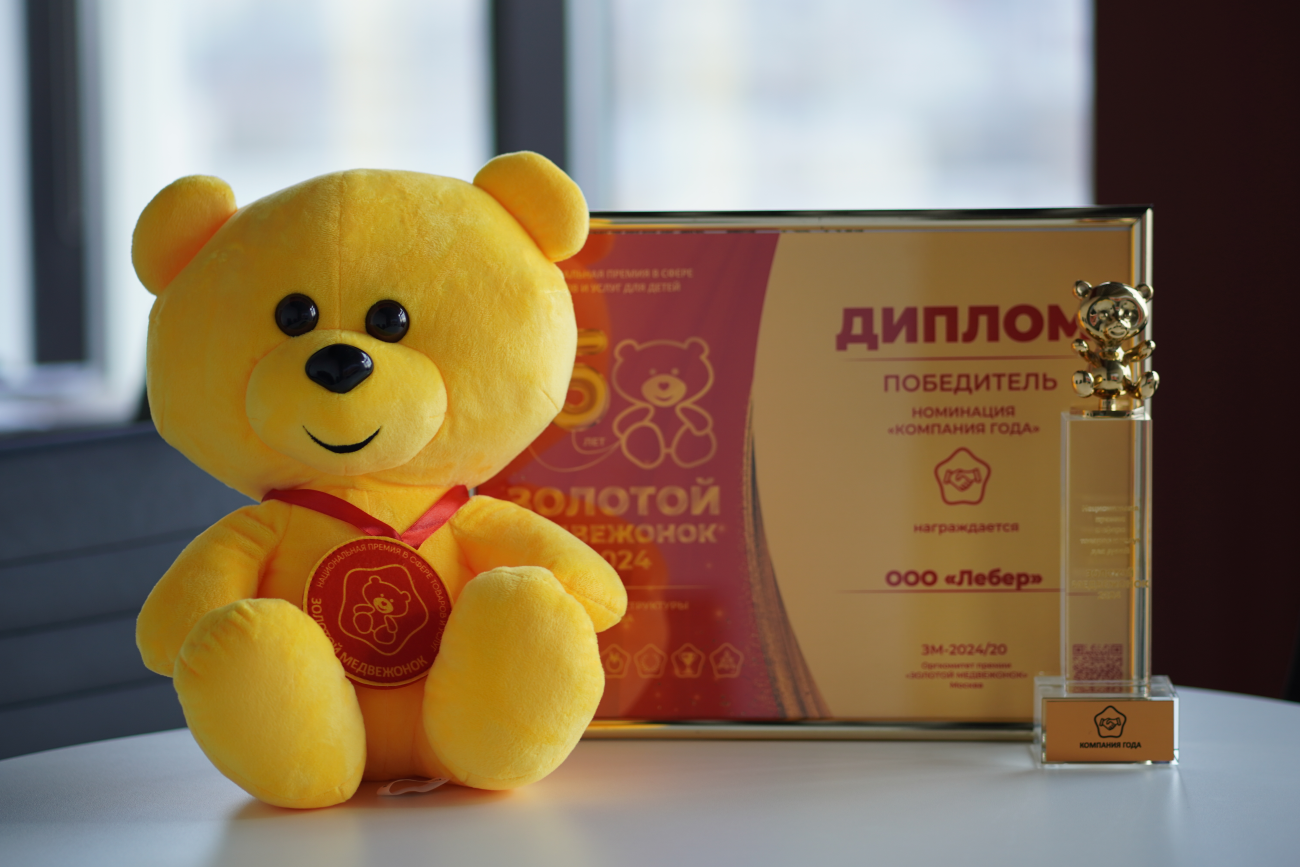
This was followed by another Golden Bear Award: in the spring, Leber was named Company of the Year at the Congress of the Children’s Goods Industry. The decision was made after an in-person presentation and defense before an expert jury.
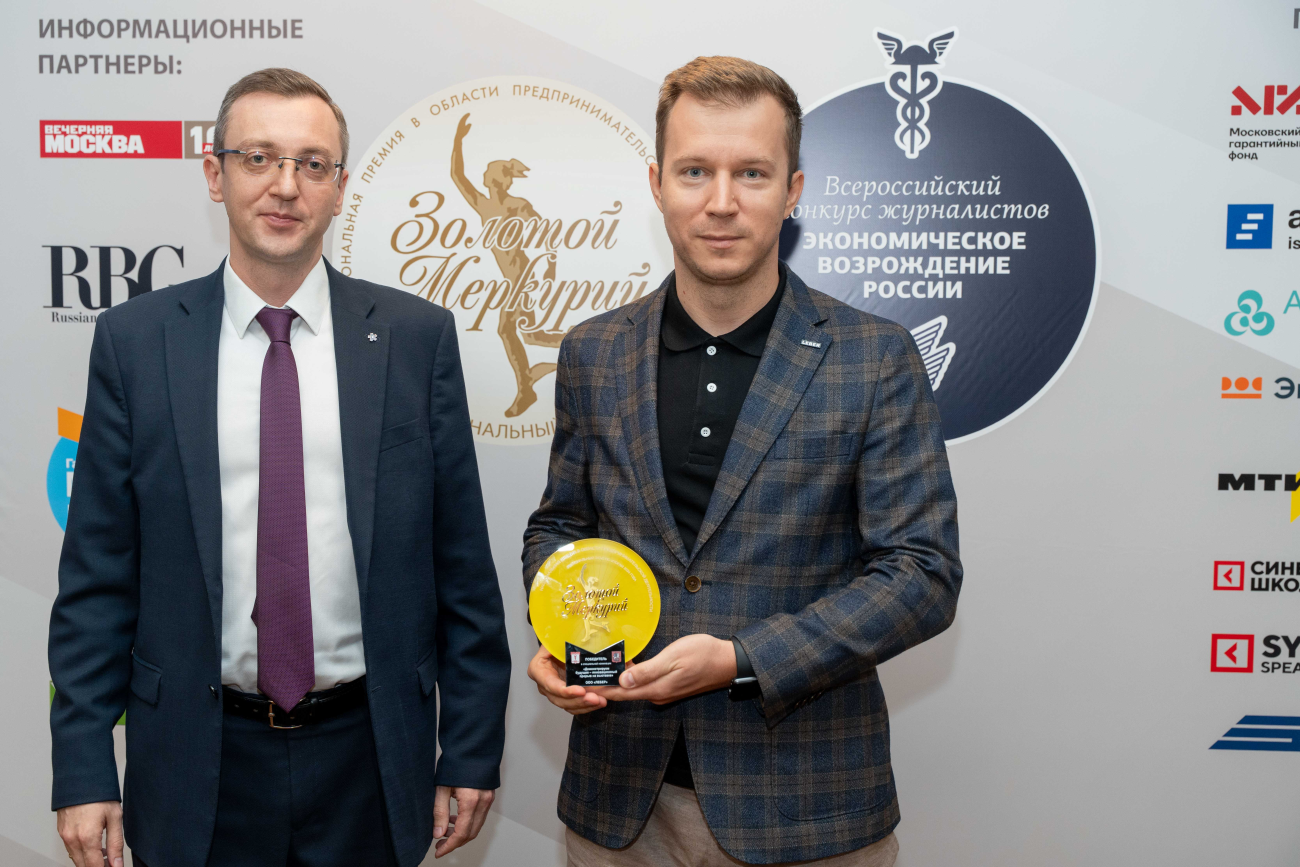
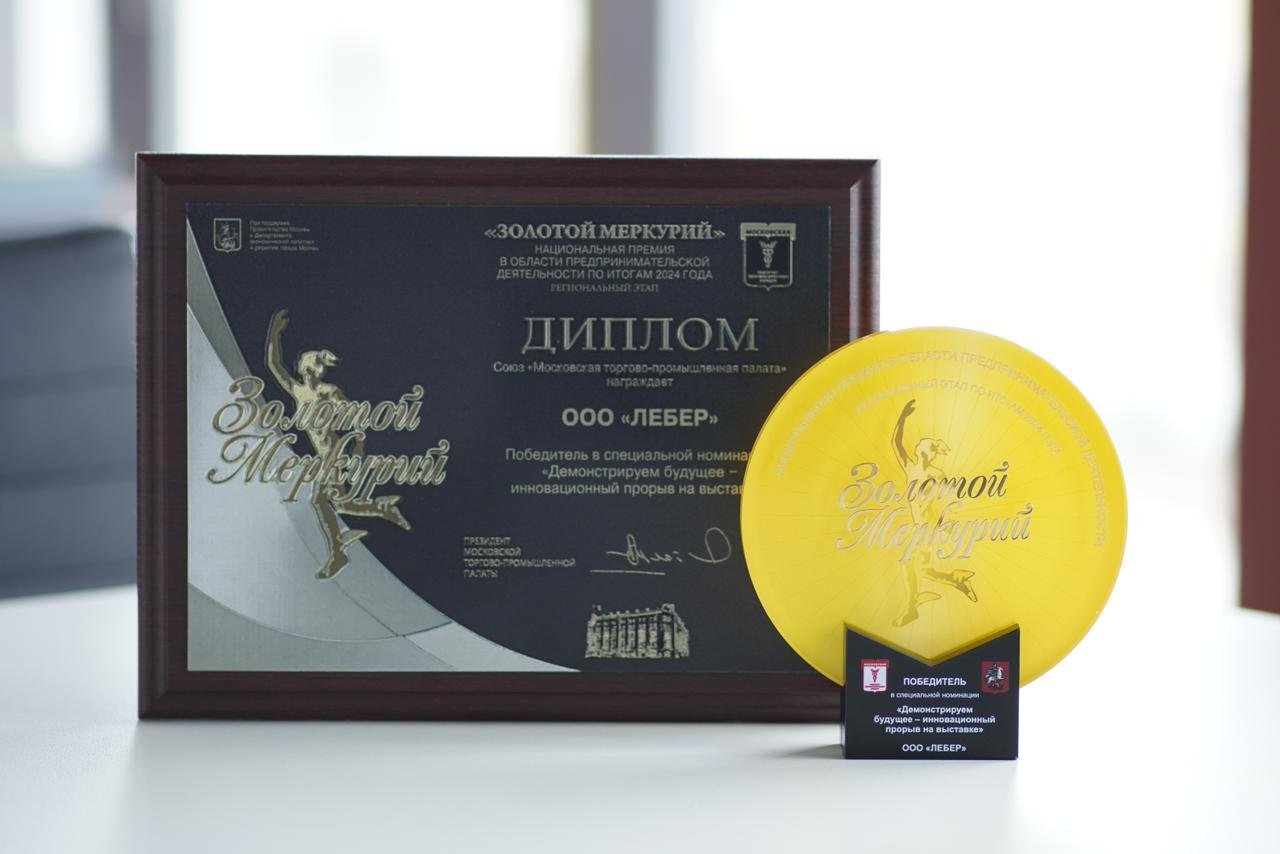
Leber’s scientific playgrounds also received separate professional recognition. The project was selected as a winner of the regional stage of the Golden Mercury Award, established by the Chamber of Commerce and Industry and supported by the Moscow City Government. The award was granted in the special category «Demonstrating the Future: An Innovative Breakthrough at an Exhibition, ” recognizing a solution that is reshaping perceptions of children’s urban environments.
Leber was also shortlisted for the international ADDAWARDS in the «Urban Environment» category. The jury reviewed completed projects dating back to 2022, and the company’s scientific playgrounds were named finalists alongside major architectural and development initiatives.
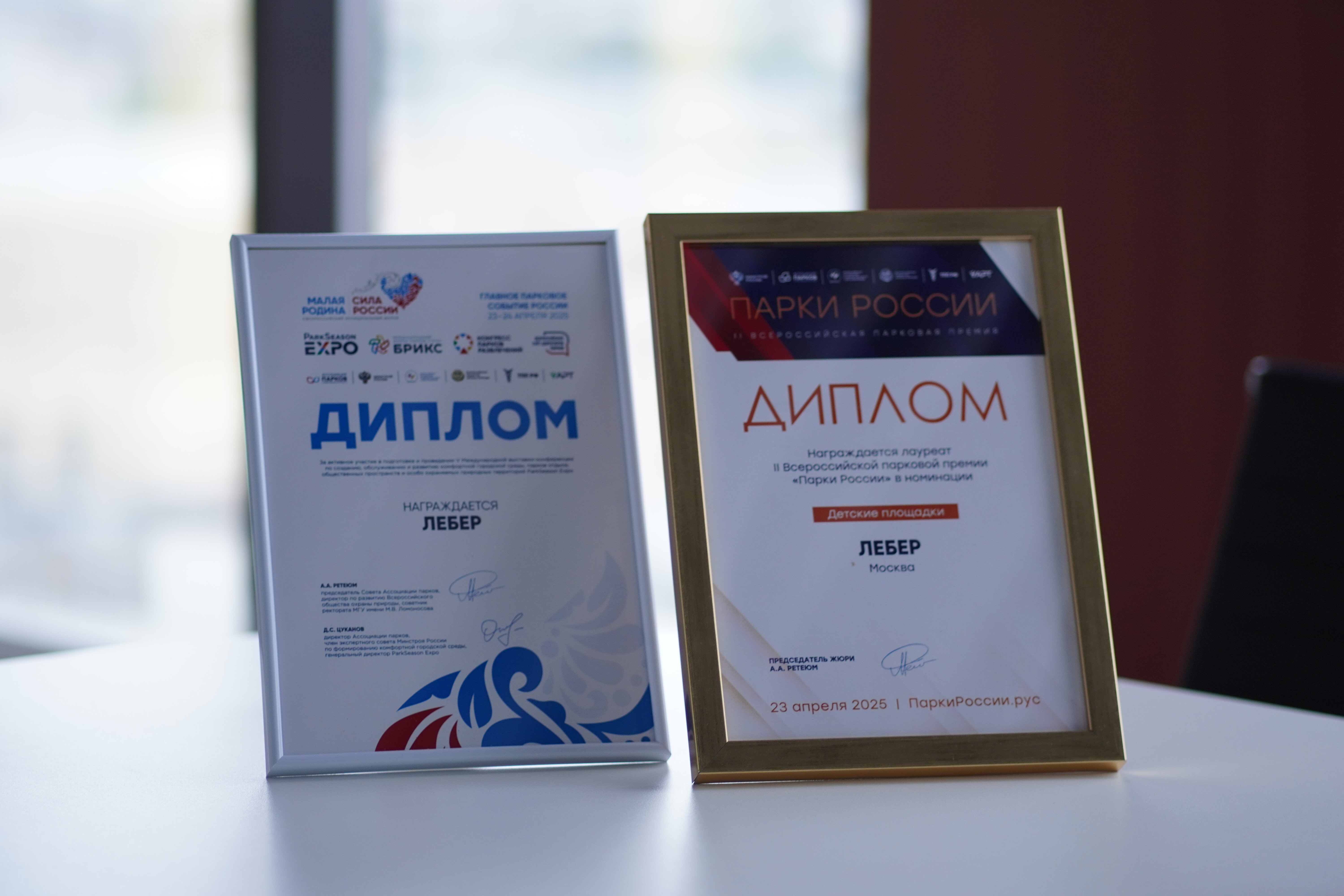
In addition, Leber received professional commendations from the industry community following ParkSeason Expo and the Parks of Russia awards, recognizing the company’s contribution to the development of contemporary urban environments and child-focused infrastructure.
Regional authorities likewise acknowledged Leber’s role in advancing urban infrastructure. On Labor Day, the company was awarded the Mytishchi Urban District Cup in recognition of its contribution to local development.
At the same time, Leber received an external assessment of its investment readiness. During the Skolkovo pre-IPO/IPO program pitch session, the company was named the overall winner in the main category, «Best IPO Readiness, ” based on a vote by investors and an expert council.
Media Activity of the Year: a Book, Podcasts, and Work with the Press and Social Media
In 2025, Leber was not only a participant in industry forums but also a source of content that helped shape professional debate across the sector.
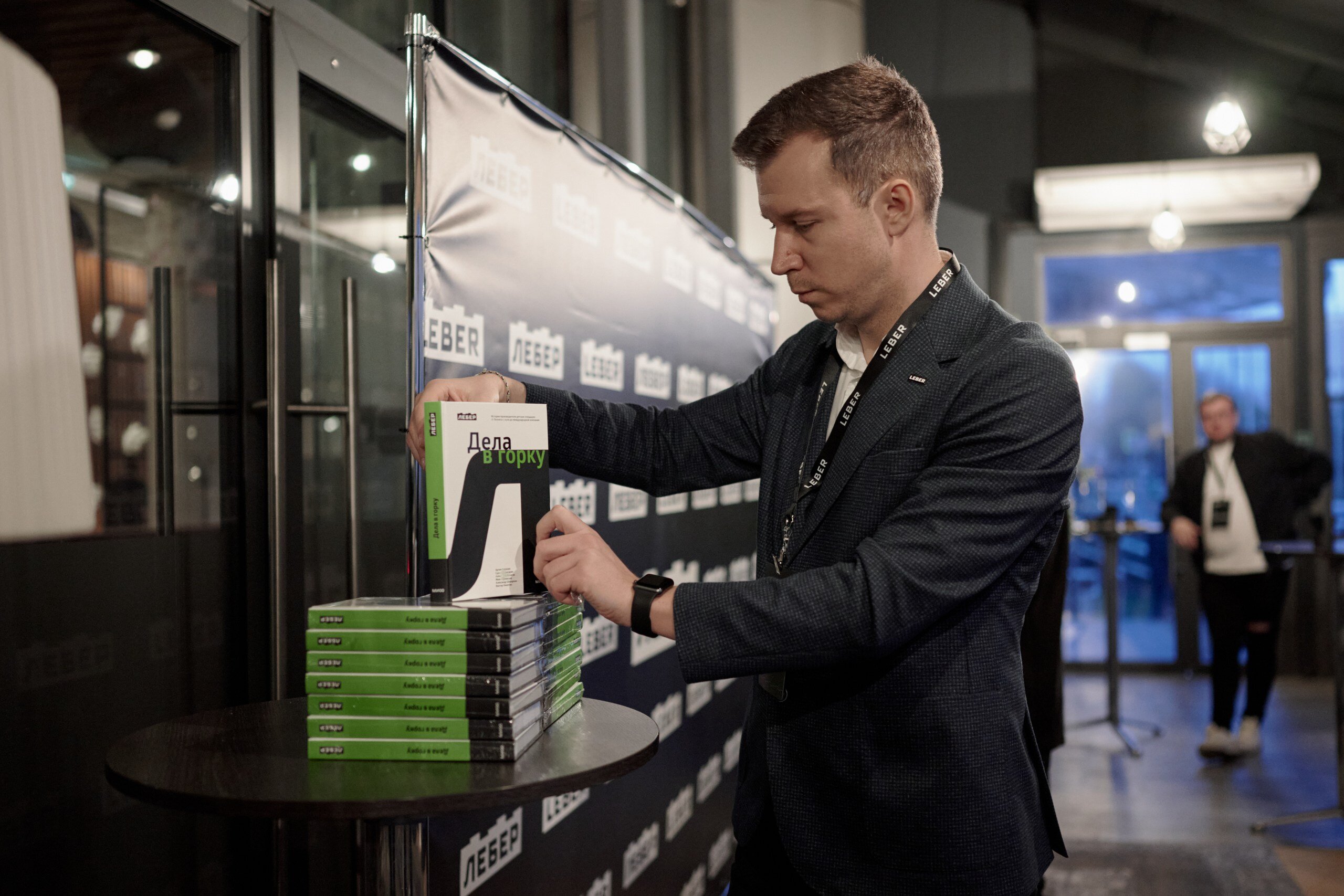
The key milestone was the publication of the book Leber. Dela v Gorku («Leber: The Uphill Journey») by the business publisher Mann, Ivanov and Ferber (MIF). It is the first business book to document the real-world experience of building a Russian playground manufacturer and scaling it to international markets. The authors are CEO Artem Sorokin and the company’s founding team, drawing on fifteen years of hands-on experience.
The book is structured as a practical analysis of management decisions, covering manufacturing, exports, financial models, logistics, HR, and crisis management. It is aimed at entrepreneurs and executives who value applied insights and real cases over theory.
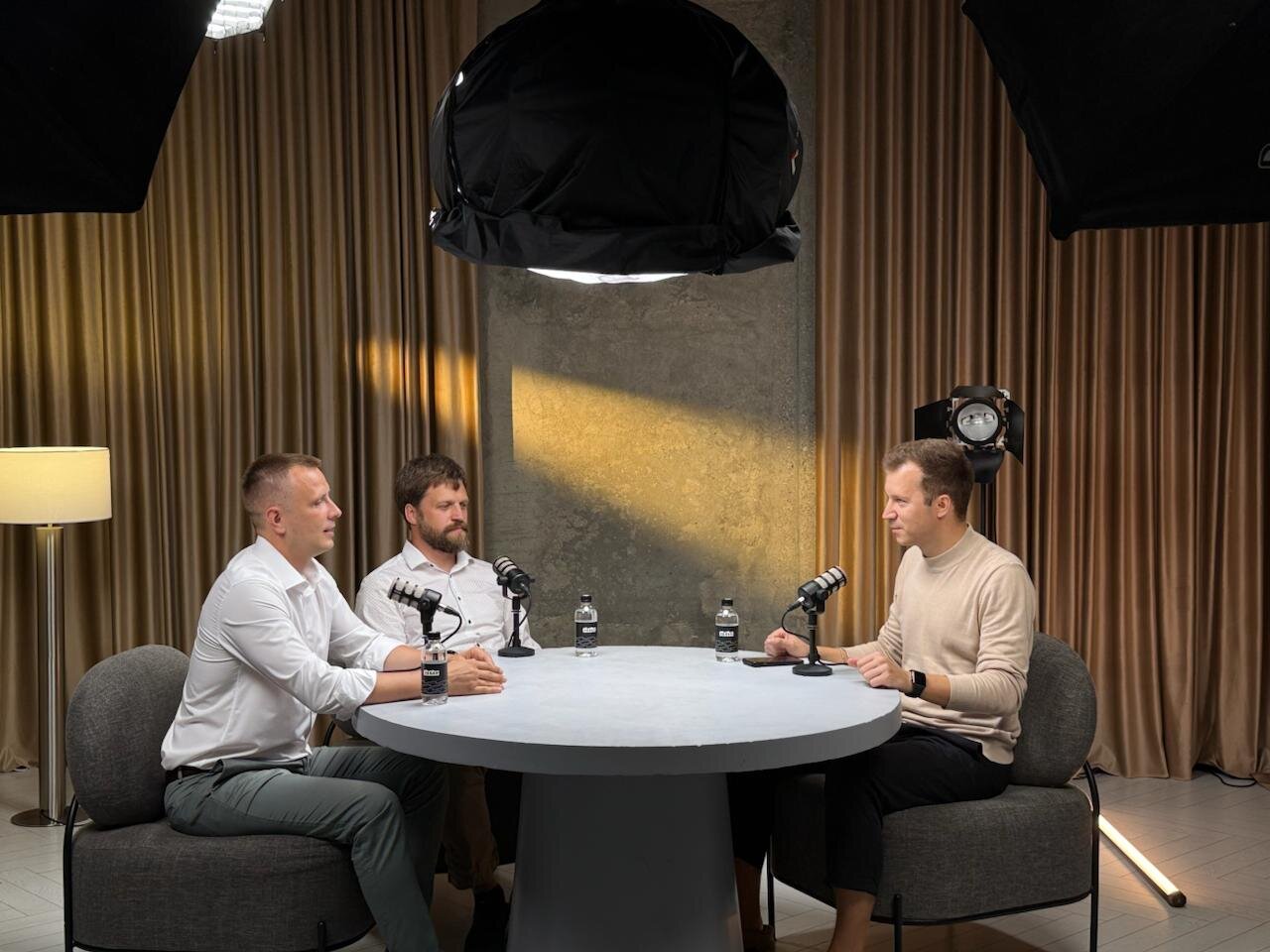
At the same time, Leber continued to develop its own audio format. In 2025, the Dela v Gorku podcast became a platform for open dialogue with the market. Guests included public-space architect Gulnara Safarova, Sergey Markov, CEO of A4 Bureau, and Arbero founders Alexey Prokhorov and Ilya Zaslavsky.
The topics discussed closely reflected the industry agenda: architectural scenarios in urban improvement, tourism clusters, children’s routes within cities, the neurodynamic approach to play design, and the role of collaboration between manufacturers and design studios.
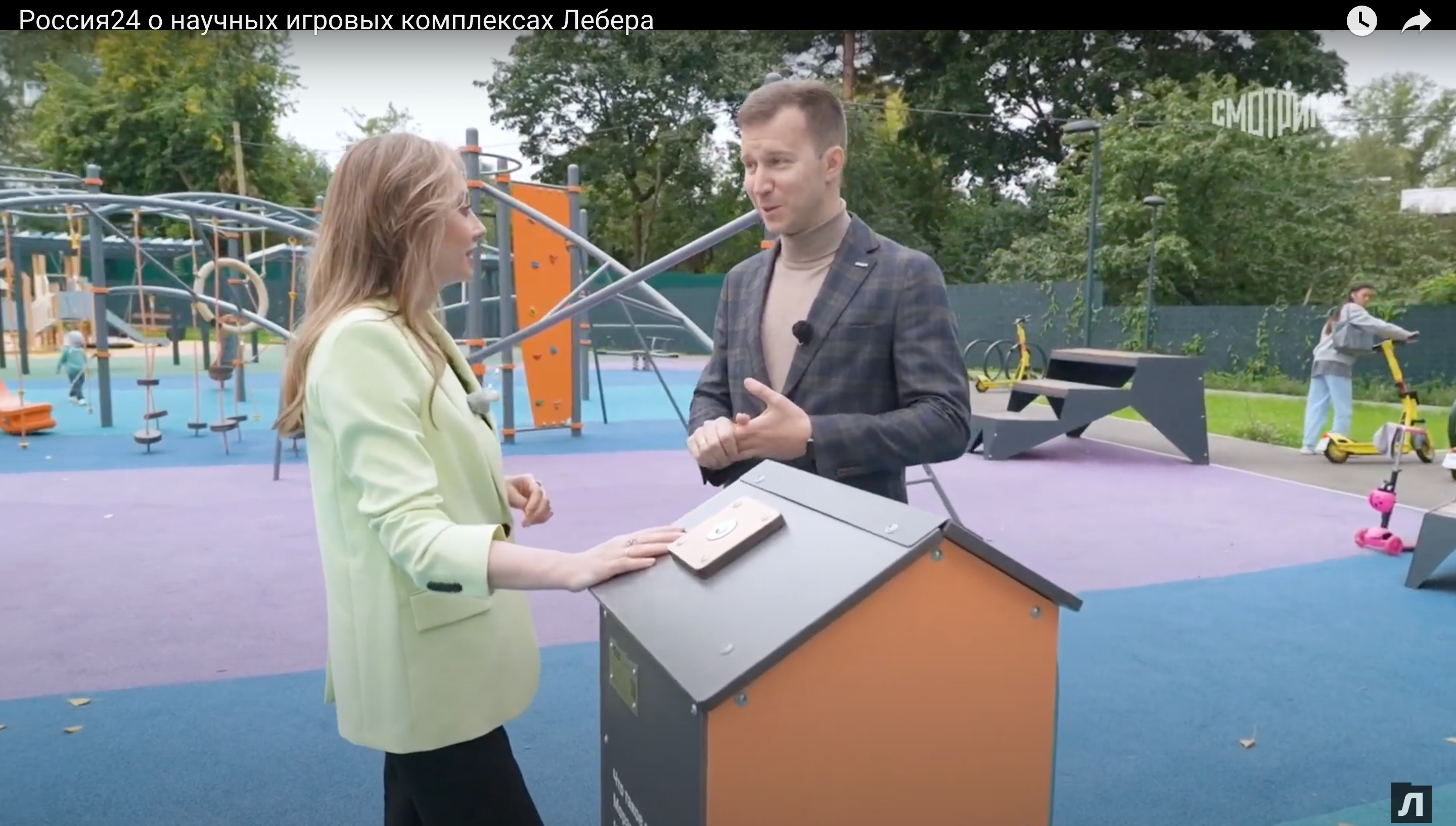
In 2025, Leber’s projects were featured in broadcast segments on Channel One, Rossiya 1, Moscow 24, and Channel 360. The coverage highlighted the implementation of urban playgrounds, discussed the modernization of public spaces, and addressed the company’s export initiatives.
Radio provided additional reach among a business-oriented audience. Interviews and expert commentary on the urban development market aired on Radio 1, further strengthening Leber’s media presence.
Federal media consistently placed Leber within the business and urban development agenda. Coverage appeared in RIA Novosti, TASS, RBC, Rossiyskaya Gazeta, and Vedomosti. At the same time, the company’s presence in regional and professional media grew significantly.
Leber’s materials on the urban environment were published by NSP (Real Estate and Construction of St. Petersburg), Russian Construction, ASNinfo, Stroitel’naya Gazeta, Seldon.News, Spark, Daily Moscow, PRO Quality, and BIMLIB, as well as on Mos.ru and Sobyanin.ru, where specific projects in Moscow were discussed in detail.
This was complemented by work with influencers. Arkady Gershman, Alexey Kostrykin, Lena Pudova, Sasha Gorokhov, and others spoke about Leber’s projects across their own channels, covering everything from scientific playground concepts to large-scale urban complexes. These mentions generated strong organic reach within professional urban planning and architecture communities.
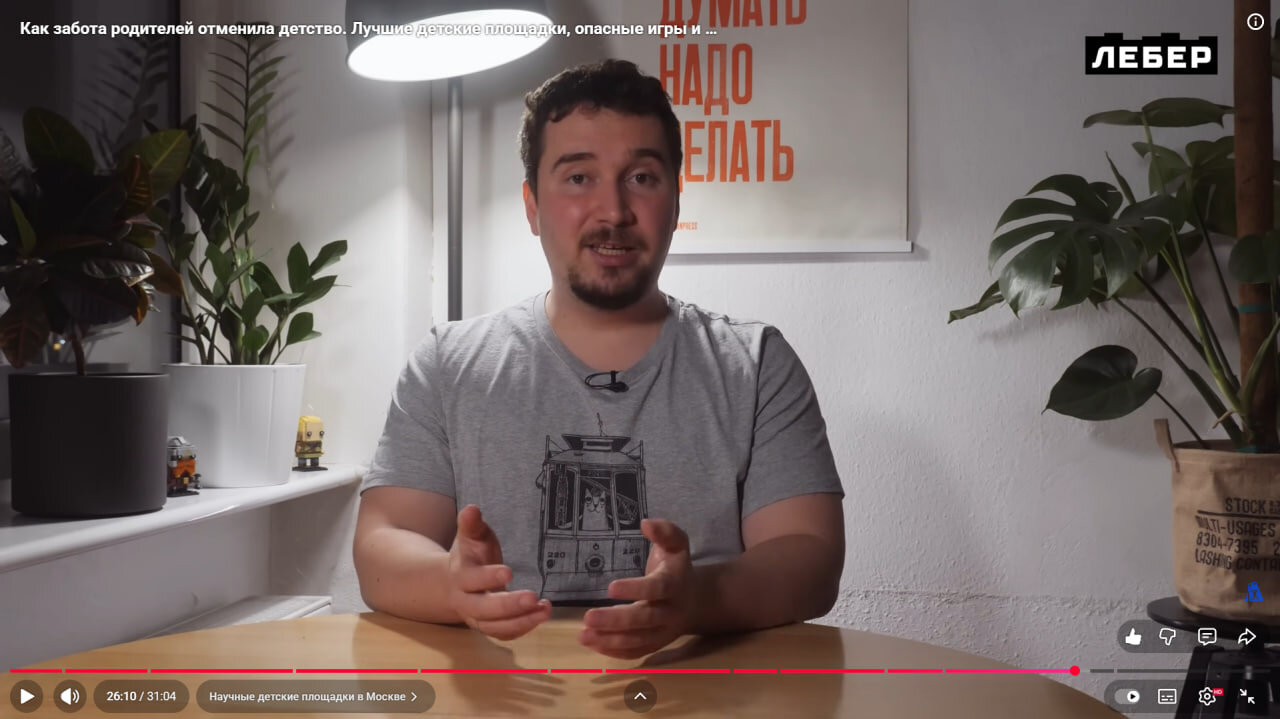
Across social media, the company maintained a stable and diversified reach. Leber manages 19 channels in Russian and English, targeting developers, architects, municipalities, export markets, and family audiences. The content mix includes product highlights, project breakdowns, industry analysis, and reports from exhibitions. Video formats proved especially effective: one reel surpassed one million views and became a key entry point for new client inquiries.
ESG: Infrastructure, Social Impact, and Sustainability
In 2025, Leber’s ESG initiatives became an integral part of its annual strategy, with a focus on working conditions, social responsibility, and environmental impact. The company launched infrastructure projects for employees involved in the production cycle. In Mytishchi, an apartment hotel for staff opened, providing a practical solution for shift workers and employees arriving from other regions who require temporary accommodation.
The company’s charitable efforts also expanded through a program to install playgrounds in children’s homes. The initiative was shortlisted for the NGO Media Award 2025, and Leber employees took part in on-site visits, hosting workshops with children and helping equip new play areas.
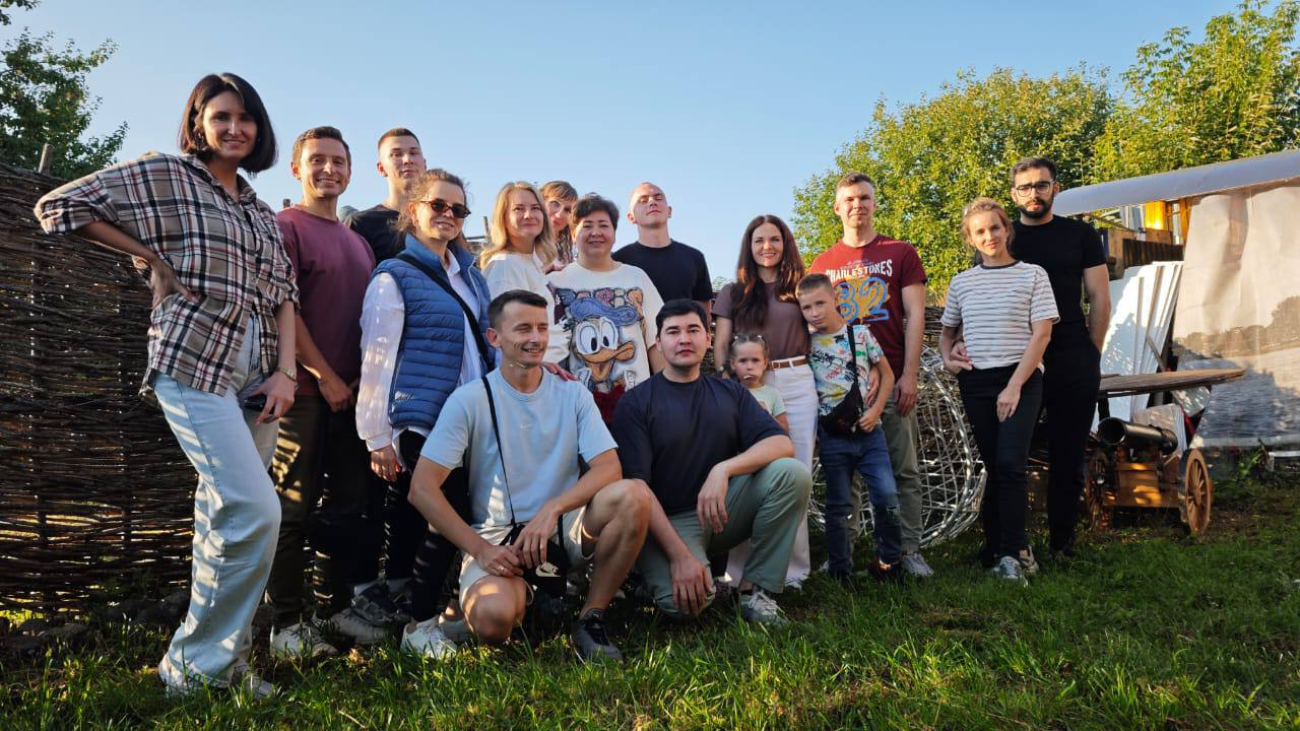
Environmental responsibility remains embedded in Leber’s production philosophy. The company works with materials designed for long service life and efficient use of resources. In 2025, this approach was reinforced by hands-on involvement from the team in forest restoration efforts.
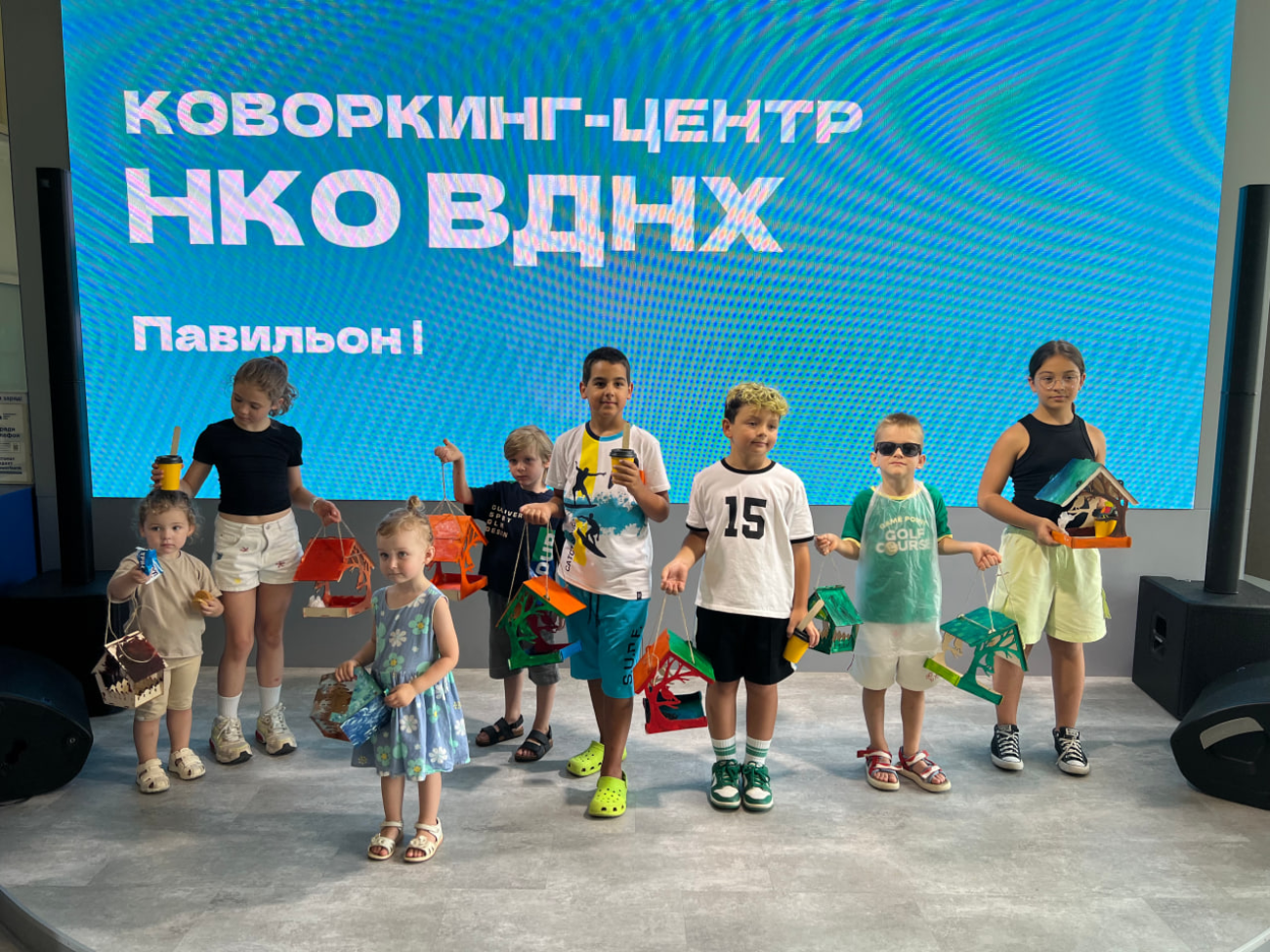
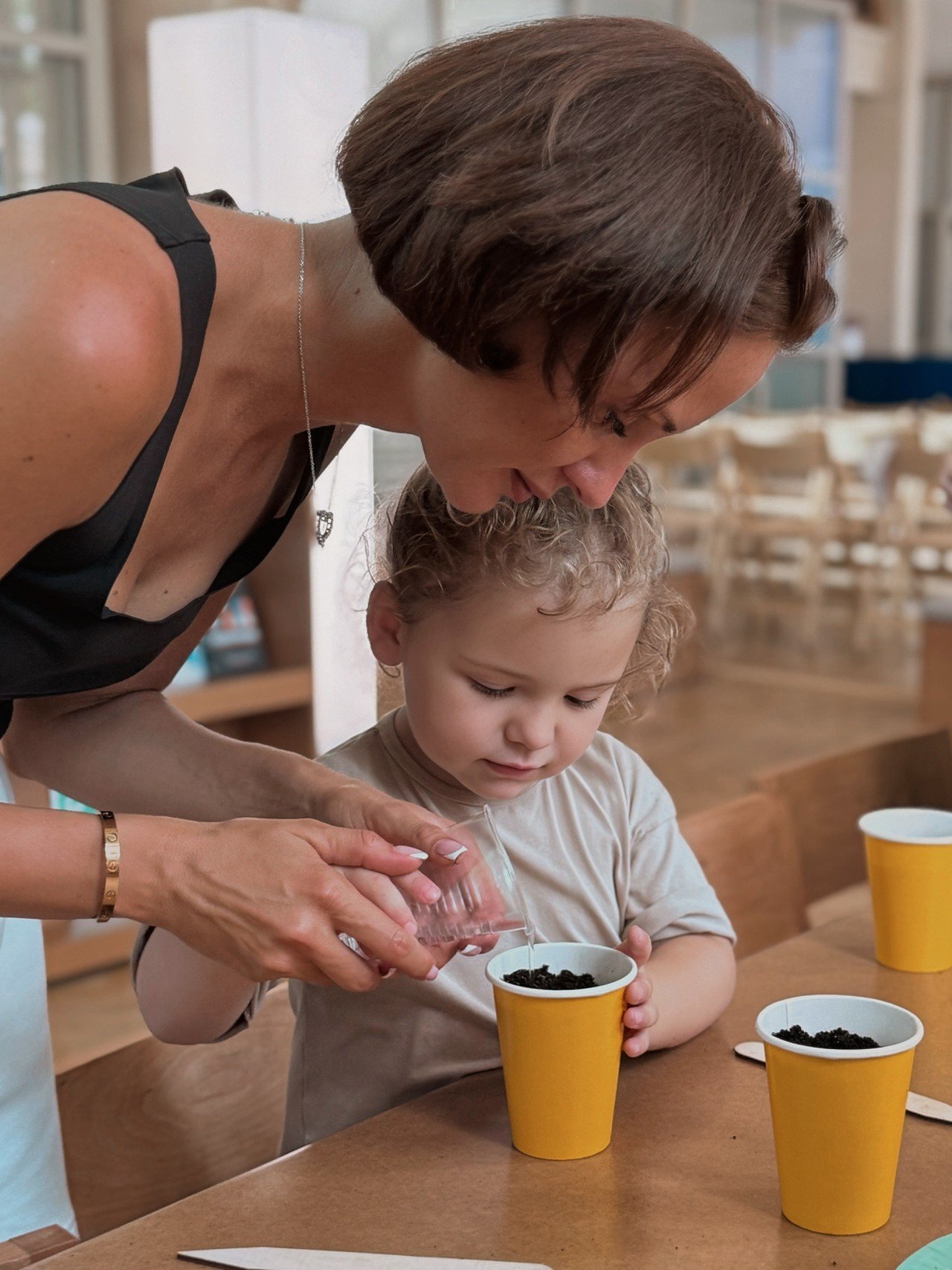
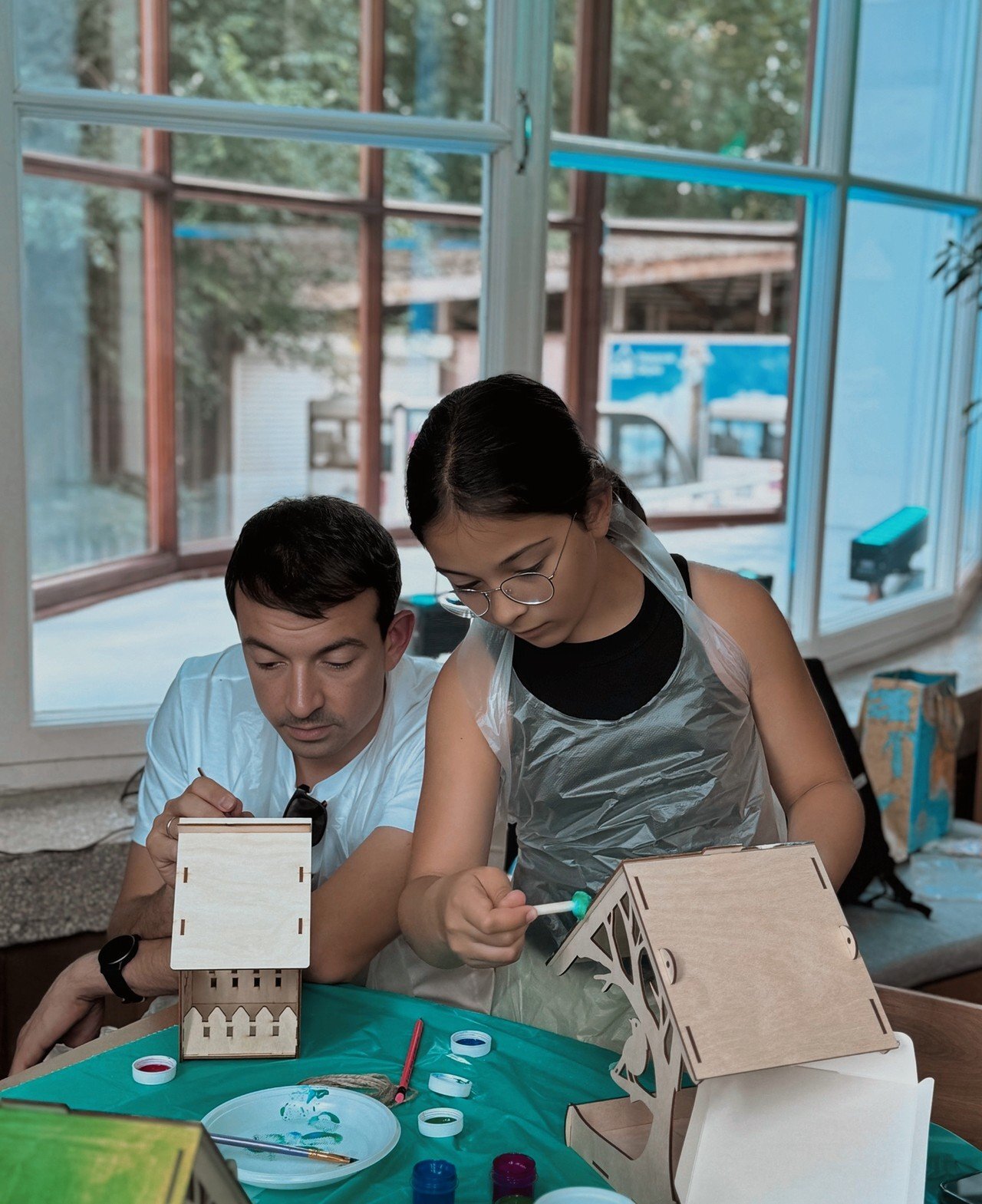
At VDNH, Leber employees, together with children, planted cedar trees and built feeders for birds and squirrels. The company received an official certificate confirming its contribution to the restoration and preservation of natural areas.
In 2026, Leber remains focused on the same course: more projects, more international partnerships, and a stronger architectural dimension in its products.
If you would like to discuss our solutions or request a commercial proposal, please email sales@leber.ru.
For partnership and collaboration inquiries, please contact marketing@leber.ru.